1 week ago
New Zealand bill would require platforms to verify users' ages

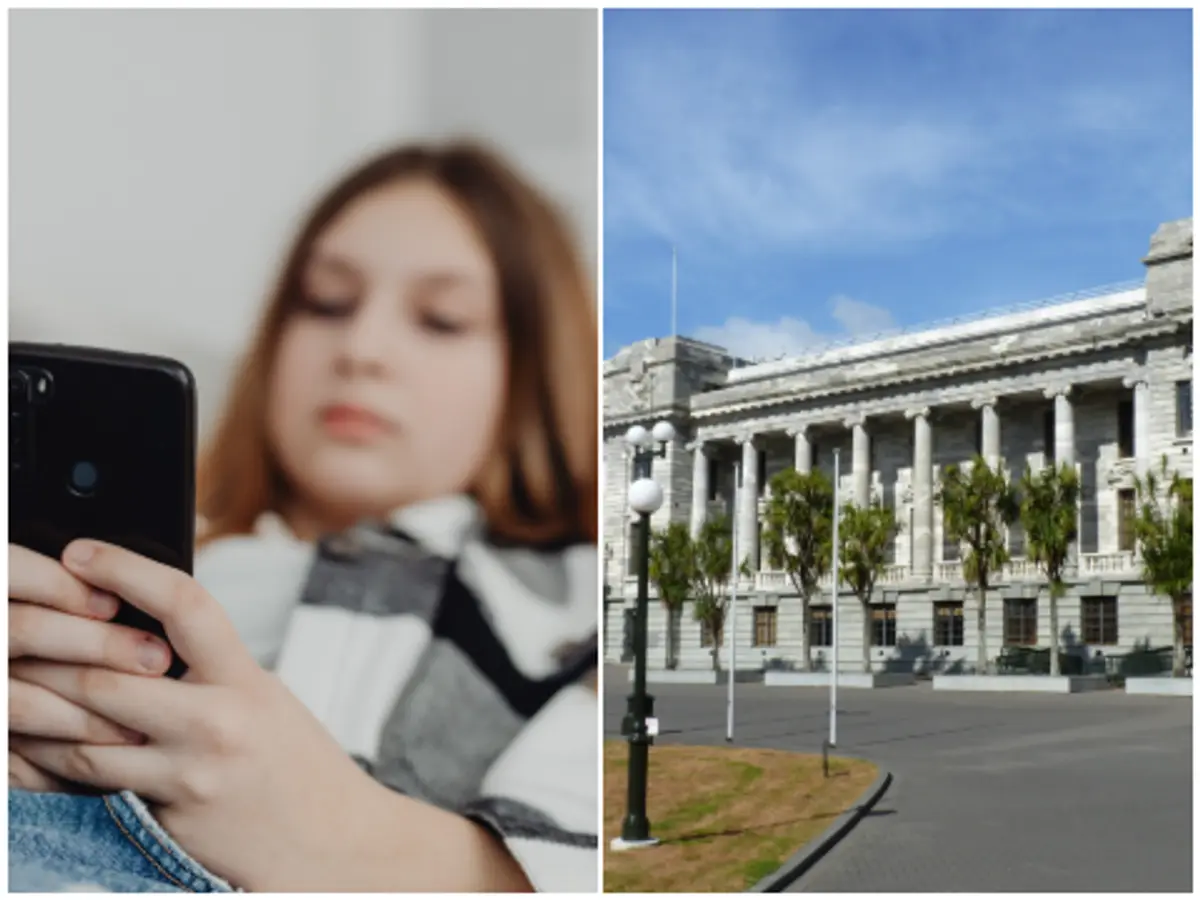
New Zealand has proposed a law about children using social media.
It would require certain platforms to check that account holders are at least 16.
The children and their parents would not be punished if a child had an account.
Instead, the platforms could be fined if they did not take reasonable steps to check ages.
Companies could use information they already have, face estimates, digital identity services or official documents.
Each method has possible problems, such as mistakes, privacy risks or discrimination.
The proposal is meant to reduce harmful content, addictive features and pressures affecting children.
However, New Zealand First opposes the bill, so it may not become law.
Other countries are trying different approaches, including changing social media designs rather than only blocking younger users.

New Zealand introduced an Online Safety Bill requiring designated high-risk platforms to take reasonable steps to verify users are at least 16.
Covered platforms include Instagram, TikTok, Snapchat and Facebook, with permitted methods including facial age estimation, digital identity services and identification documents.
Platforms would also have to assess risks posed by their services and report how those risks are being reduced.
Companies could face fines of up to 10% of their worldwide revenue for failing to comply.
The bill may not pass because coalition partner New Zealand First has said it will not support it.
- Who
- The New Zealand government, led by Prime Minister Christopher Luxon, proposed the bill; high-risk social media platforms would have to comply.
- What
- The Online Safety Bill would require platforms to take reasonable steps to verify that users are at least 16 and could impose fines of up to 10% of global revenue.
- Where
- New Zealand, with comparable measures also discussed in Australia, the United Kingdom and the United States.
- When
- Christopher Luxon announced the bill on August 24; the article does not specify the year.
- Why
- The government says social media is exposing children to harmful content, addictive technology and pressures affecting family life, mental health, sleep and education.
Supporters of age restrictions
Critics and skeptics
Whether platforms should bear responsibility
Supporters of age restrictions
Supporters say platforms are the entities capable of being monitored and fined, avoiding the difficulty of policing millions of households.
Critics and skeptics
Skeptics question whether requiring companies to take 'reasonable steps' can reliably distinguish users around the 16-year threshold.
How age should be verified
Supporters of age restrictions
Supporters point to several available options, including account information, facial age estimation, digital identities and official documents.
Critics and skeptics
Critics say facial estimation can be inaccurate and vary across skin tones and ethnicities, while identity documents can reduce anonymity and create large, attractive databases.
Whether age-gating addresses the harm
Supporters of age restrictions
The New Zealand approach assumes keeping children off social media can reduce exposure to harmful content, addictive technology and related pressures.
Critics and skeptics
An alternative approach, reflected in United States litigation, argues that platforms should change potentially addictive design features such as infinite scroll, autoplay, ephemeral content and beauty filters.
Key facts
- Minimum age
- Platforms would have to take reasonable steps to establish that account holders are at least 16.
- Potential penalty
- Up to 10% of a platform's worldwide revenue.
- Named platforms
- Instagram, TikTok, Snapchat and Facebook are among the platforms identified as high-risk.
- Verification methods
- Existing account information, facial age estimation, digital identity services and formal identification documents.
- Platform duties
- Companies would assess service-related risks and report how those risks are being reduced.
- Personal liability
- Under the proposed structure, neither under-16 users nor their parents would commit an offence merely because a child held an account.
- Political uncertainty
- Coalition partner New Zealand First has said it will not support the bill, putting its passage in doubt.
Quotes

Christopher Luxon
New Zealand prime minister who announced the Online Safety Bill
“We simply cannot accept the harm being done to a generation of New Zealand children. Social media is exposing them to harmful content, addictive technology and pressures they are not equipped to deal with and it's affecting their family life, mental health, sleep and education.”
 wionews.com
Sources
Related news
New Zealand’s Under-16 Social Media Bill Faces Coalition Doubts

New Zealand Plans Under-16 Social Media Ban Bill

Countries Move to Tighten Children’s Social Media Access Rules

Social Media Companies Intensify Efforts to Identify Child Users
Meta Settlement Brings New Age Checks for Young Users

SHIELD Bill Proposes Banning Under-13s from Social Media Accounts

Yorkville America Expands Beyond Trump-Linked ETFs With AI Strategy
Meta’s $18-Billion Child Safety Settlement Faces Praise and Criticism

School Awards Honour Courage, Commitment and Educational Excellence

AI Expansion Puts Jamnagar and Thane Under Water Stress