1 week ago
New Zealand’s Under-16 Social Media Bill Faces Coalition Doubts
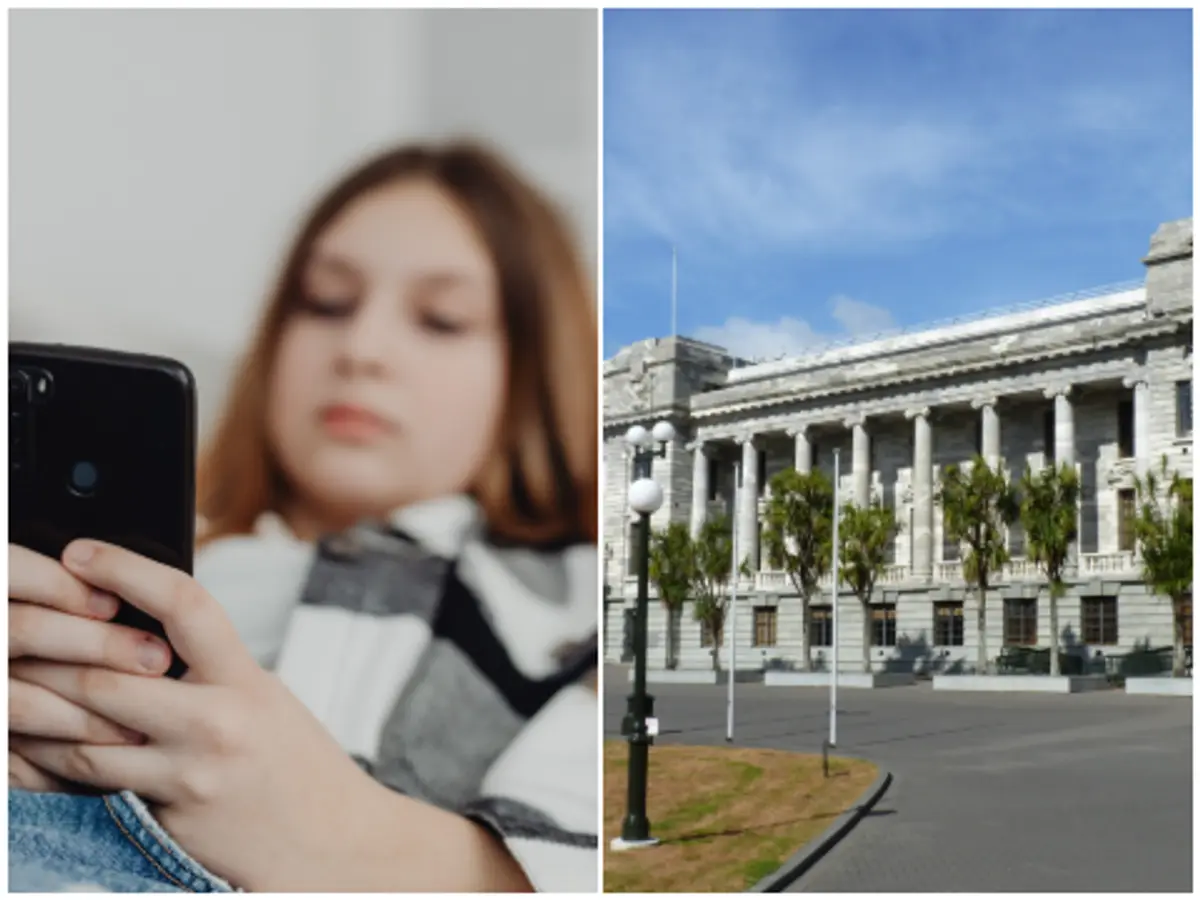
New Zealand wants to make it harder for children under 16 to have accounts on some social media platforms.
The proposed law would cover services such as Instagram, Facebook, TikTok, Snapchat, YouTube and X. It would not cover some messaging apps, multiplayer games or VPNs.
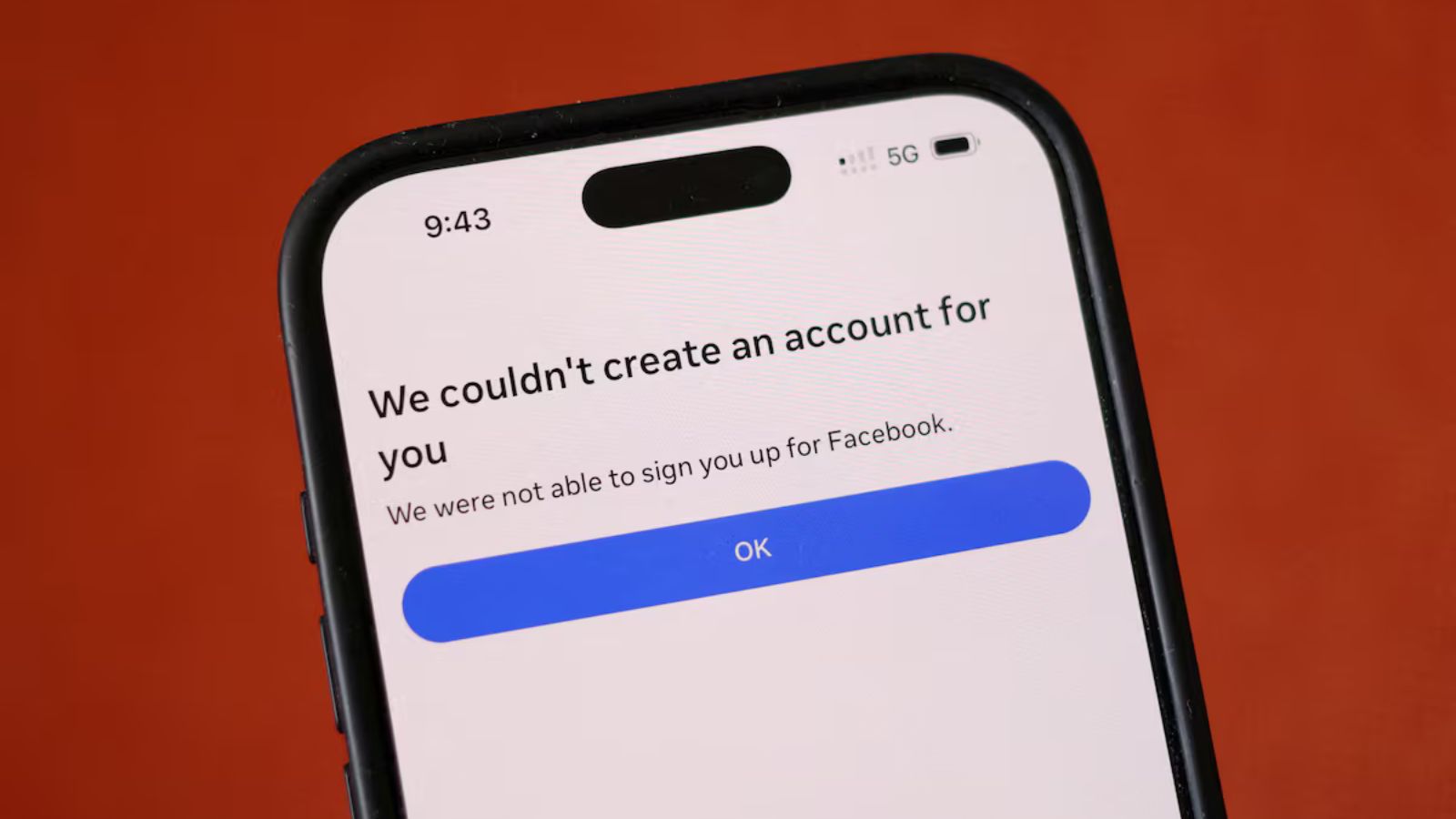
Companies would have to check users’ ages and look for risks to children.
Possible checks include facial age estimation, digital ID and formal identification.
Companies that break the rules could face very large fines.
Supporters say social media can expose children to harmful content and addictive features.
Critics worry that the plan may not work and could create privacy and enforcement problems.
Two parties in the governing coalition oppose advancing the bill, so its future is uncertain.

New Zealand introduced an Online Safety Bill requiring high-risk platforms to take reasonable steps to prevent under-16s from holding accounts.
Covered services include Instagram, Facebook, TikTok, Snapchat, YouTube and X, while WhatsApp, Discord, Roblox and VPNs are excluded.
Platforms could face penalties of up to 10% of global annual revenue and would need to conduct annual child-safety risk assessments.
The bill includes facial age estimation, digital ID and formal identification, but no penalties would apply to children or parents.
Coalition partners ACT and New Zealand First oppose advancing the bill, leaving its passage uncertain after the November 7 election.
- Who
- The New Zealand government, led by Prime Minister Christopher Luxon, proposed the bill; coalition partners ACT and New Zealand First oppose advancing it.
- What
- The Online Safety (Minimum Age and Child Safety Risk Assessment) Bill would require high-risk platforms to take reasonable steps to prevent under-16s from holding accounts.
- Where
- New Zealand Parliament.
- When
- The bill was introduced on Monday, identified in one report as August 24, but is not expected to receive a first reading before Parliament rises ahead of the November 7 election.
- Why
- The government says social media can expose children to harmful content, addictive technology and online pressures affecting mental health, sleep, education and family life.
Supporters of the bill
Critics and coalition opponents
Protecting children
Supporters of the bill
The government says children face harmful content, addictive technology and online pressures that can damage mental health, sleep, education and family life.
Critics and coalition opponents
Critics say the policy should be judged on whether it works, rather than whether it sounds tough or polls well.
Effectiveness
Supporters of the bill
Christopher Luxon argues that countries acting together can exert greater influence over large technology companies than one small country acting alone.
Critics and coalition opponents
New Zealand First calls Australia’s similar measures a colossal failure, while ACT questions whether the proposal is workable; Australian authorities still report significant numbers of under-16s on social media.
Privacy and enforcement
Supporters of the bill
The bill would use tools such as age estimation, digital ID, formal identification and platform risk assessments to improve child safety.
Critics and coalition opponents
Law lecturer Rachel Tan says these methods raise questions about accuracy, privacy and practical implementation. Winston Peters argues enforcement could require measures such as VPN bans or digital ID.
Political support
Supporters of the bill
The National-led government wants the legislation to proceed and says it is part of a global movement to protect children online.
Critics and coalition opponents
ACT and New Zealand First oppose advancing the bill under the coalition’s agree-to-disagree provision, meaning National would need opposition support.
Key facts
- Proposed minimum age
- Under-16s would be prevented from holding accounts on covered high-risk platforms.
- Covered platforms
- Examples include Instagram, Facebook, TikTok, Snapchat, YouTube and X.
- Excluded services
- WhatsApp, Discord, Roblox, online music, educational and health platforms, productivity AI services and VPNs are excluded.
- Maximum penalty
- Platforms could face a penalty of up to 10% of global annual revenue.
- Age assurance
- Proposed methods include facial age estimation, digital ID, formal identification and existing account information; self-declaration alone would not be sufficient.
- Safety obligations
- Platforms would conduct annual child-safety risk assessments covering harmful content, advertising, profiling and design features.
- Regulator
- A new online safety regulator within the Department of Internal Affairs would monitor compliance, investigate platforms and enforce the law.
- Political timetable
- The bill is not expected to progress before the November 7 election, leaving its future to the next Parliament.
Quotes

Christopher Luxon
New Zealand prime minister
“The fact is, no matter how laudable the intent is of introducing laws to address this serious issue, there is no method that would fulfill that intent without banning VPNs or the use of digital ID to enforce the law. This has been proven with the colossal failure of Australia bringing in similar measures that National want to bring in now.”
 deccanchronicle.com
“We’re part of a global network of countries with similar legislative frameworks in place and that’s what we’re working toward. There’s real power in the fact that we are acting in concert with many other countries around the world.”
deccanchronicle.com
Sources
Related news
New Zealand Plans Under-16 Social Media Ban Bill

New Zealand bill would require platforms to verify users' ages

Countries Move to Tighten Children’s Social Media Access Rules
Tech firms urge caution on Australia under-16 ban data
Global push to ban under-16s from social media grows

Meta removes 756,000 Australian teen accounts as ban enforcement looms

Tamil Nadu Cybercrime Probe Targets Deepfake Impersonating CM Vijay
Adilabad Police Arrest Suspect in Rs 5.3 Crore Instagram Fraud

Man loses ₹3.81 lakh in alleged Kerala lottery scam
Indore Tile Trader Loses ₹2.5 Lakh in WhatsApp Scam
Chennai Metro Reports 1.04 Crore Passenger Journeys in August