

1 hr ago
Global Survey Finds Trust in Science Falling After Covid-Era Rise
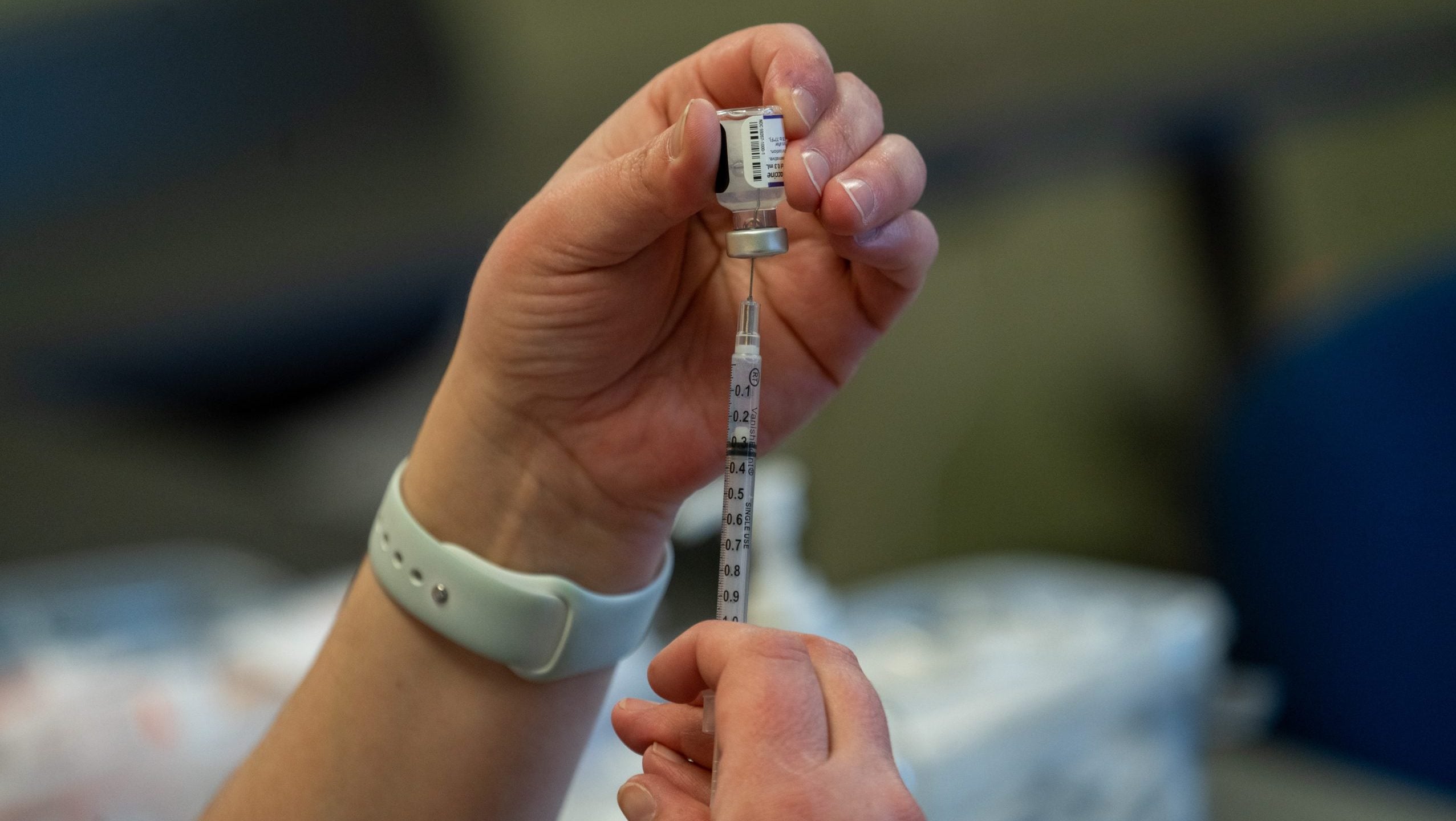
A worldwide survey asked people how much they trust science.
In 2025, fewer people said they trusted it than during the Covid pandemic.
The drop was bigger among people who said they were having a hard time paying their bills.
People who trusted their hospitals more were also more likely to say they trusted science.
The survey found that people who wanted a recommended vaccine right away were more likely to have strong trust in science than people who did not get vaccines.
But the survey cannot prove that trust caused anyone's vaccine choice.
A Wellcome leader said politics around Covid rules and vaccines may have played a part.
He also said scientists need to do more to listen to and explain their work to communities.
About seven in ten people still said they had at least some trust in science.

A survey of more than 140,000 adults found that 72% expressed at least some trust in science in 2025, down from 80% in 2020 and 77% in 2018.
The share expressing a lot of trust in scientists rose to 43% during the pandemic, then fell to 32% in 2025, below its 2018 level of 34%.
Strong trust fell more among people struggling financially: 16 percentage points from 2020 to 2025, compared with 10 points among those living comfortably.
Trust in science was associated with confidence in healthcare and vaccine decisions, although the survey did not establish that trust caused those decisions.
Wellcome chief executive John-Arne Røttingen said pandemic-era politicization may have contributed to declining trust; the report also cites falling vaccination coverage and rising measles cases as concerns.
- Who
- More than 140,000 adults worldwide surveyed by Wellcome with Gallup and Ipsos; John-Arne Røttingen commented on the findings.
- What
- The survey found that trust in science and scientists declined from pandemic-era levels.
- Where
- Across countries worldwide.
- When
- The survey compared findings from 2018, 2020 and 2025.
- Why
- The survey did not establish a cause; Røttingen said pandemic-era politicization may have contributed.
Reasons for concern
Reasons for perspective
What the decline means
Reasons for concern
The retreat in trust could have public-health consequences, especially alongside declining vaccination coverage and resurgent preventable diseases.
Reasons for perspective
Røttingen said the decline should be kept in perspective: about seven in ten people globally still trust science.
Possible role of politics
Reasons for concern
Røttingen said politicization of pandemic-era issues such as vaccines, masks and public-health measures may have contributed to polarization and lower trust.
Reasons for perspective
The survey did not establish what caused trust to fall, so politicization is a possible explanation rather than a proven cause.
Key facts
- Survey size
- More than 140,000 adults worldwide
- At least some trust in science
- 72% in 2025; 80% in 2020; 77% in 2018
- A lot of trust in scientists
- 32% in 2025, compared with 43% during the pandemic and 34% in 2018
- Financial hardship gap
- In 2025, 20% of people finding it difficult to get by reported a lot of trust in science, compared with 39% of those living comfortably
- Vaccine responses
- 34% wanted a recommended vaccine immediately, 48% preferred to think about it, and 15% said they did not get vaccines
- Trust and vaccine response
- A lot of trust in science was reported by 36% of those wanting a recommended vaccine immediately and 18% of those who did not vaccinate
- Survey organizations
- Wellcome, Gallup and Ipsos
Quotes

John-Arne Røttingen
Chief executive officer of Wellcome, the health research foundation behind the survey.
“The power of science can only be fully realized if people trust the science and trust the technologies coming from science.”
 theprint.in
“Politics has made some of science more political and that has led to the polarization and maybe a lack of trust.”
theprint.in
Sources
Related news

Poll finds rising trust in global institutions, weaker U.S. leadership
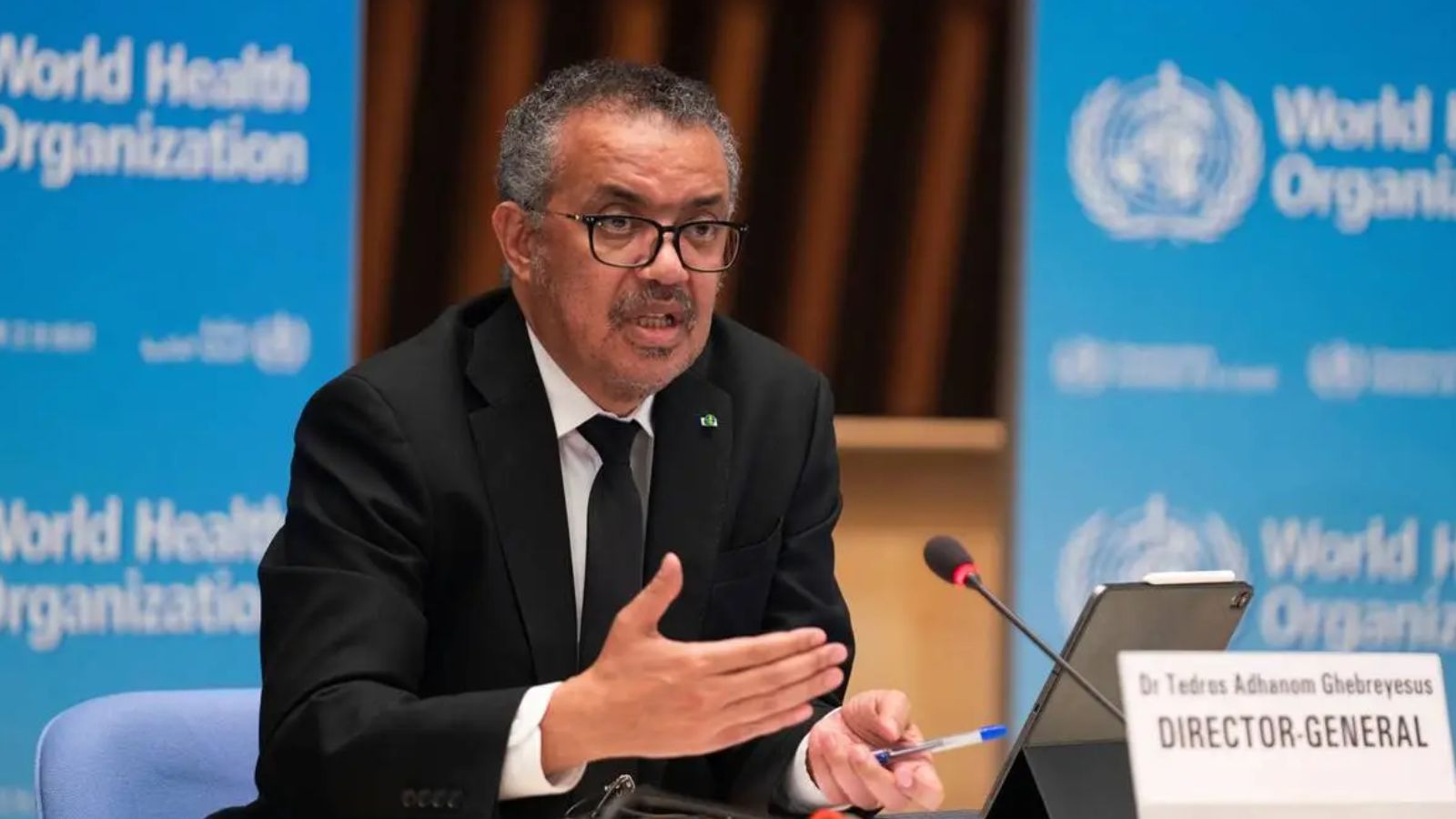
WHO Chief Says US Rejoining Global Health Agency Is Time
Survey Finds More People Say Social Media Harms Democracy
Pew Survey Finds Growing Concern Social Media Harms Democracy
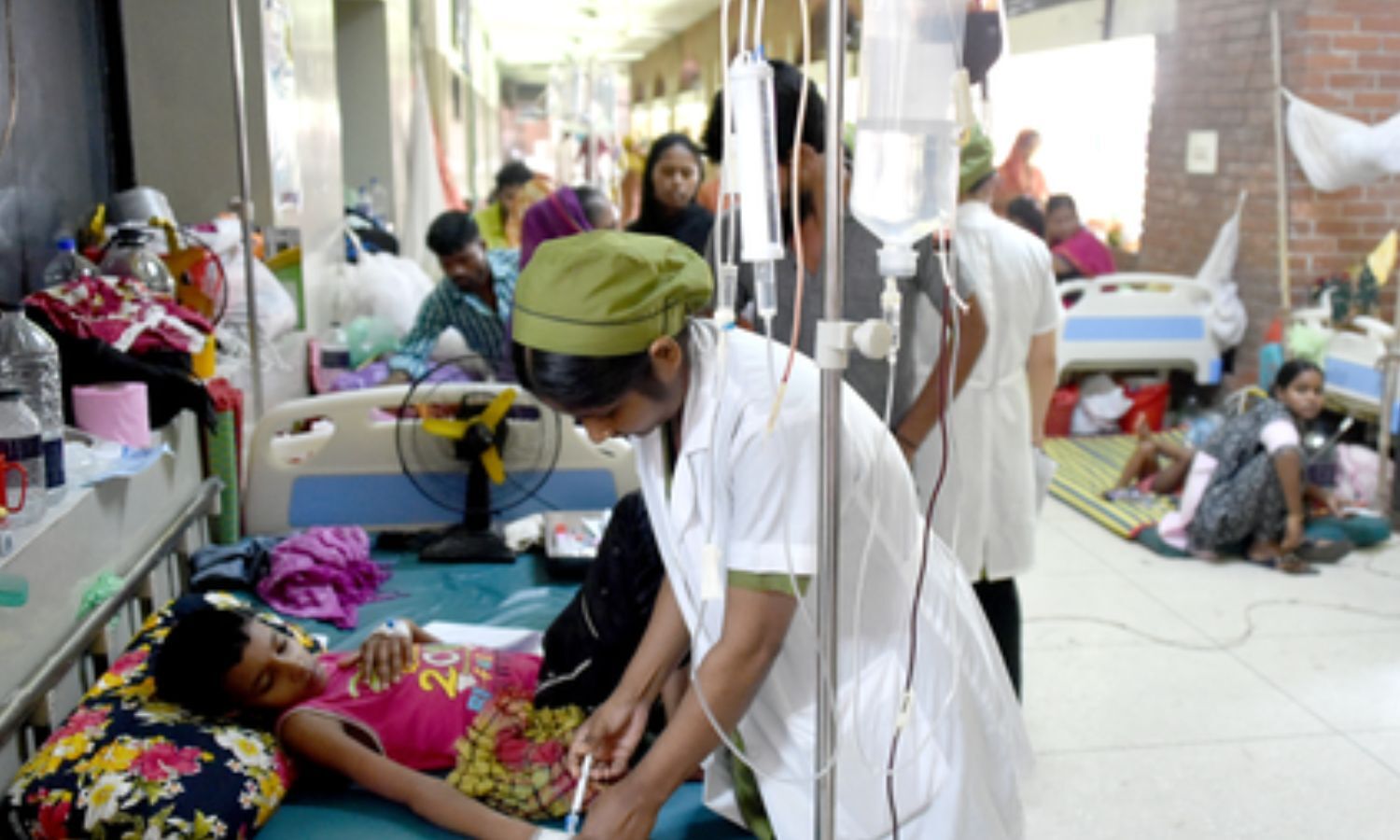
Bangladesh Measles Outbreak Kills Over 1,000 Amid Vaccination Gaps

Trump Economic Approval Falls as Voters Face Rising Costs
Survey Finds Extreme Heat Raises Risks for Mothers and Newborns
Extreme Heat Raises Risks for Pregnant Women and Newborns
3D Lung Model Advances TB Drug Testing in India
US Startup Offers Genetic Optimization for Future Babies
