8 months ago
3D Lung Model Advances TB Drug Testing in India
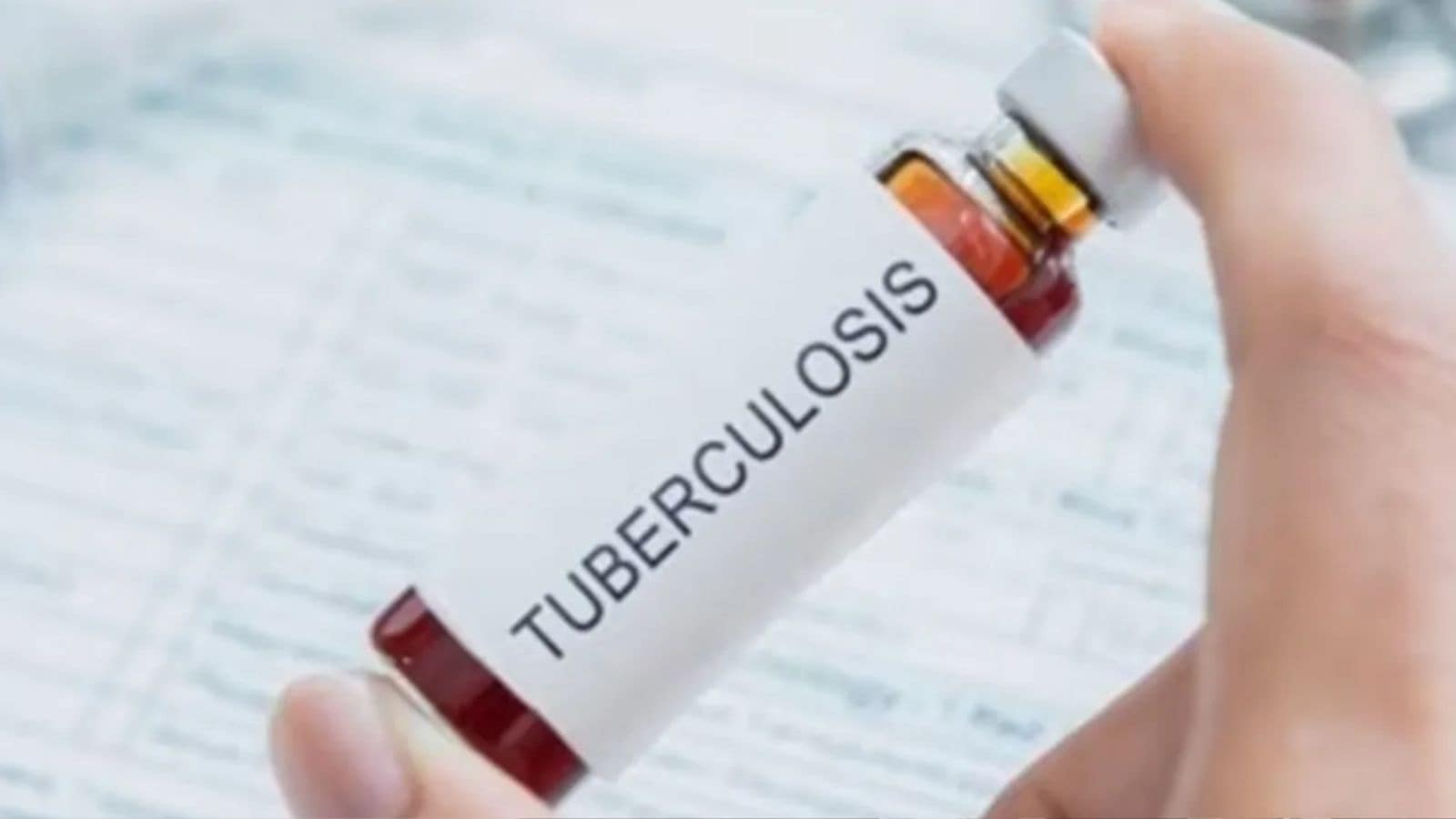
Scientists in India have created a 3D model of the lung to study tuberculosis (TB) better.
This model uses a special gel that acts like real lung tissue.
Unlike old flat models, this new 3D model shows how TB bacteria and human cells behave more like they do in real patients.
This helps researchers test drugs more effectively.
The model can also be used to test drugs against drug-resistant TB bacteria.
India has a high number of TB cases, so this new model could help find better treatments faster.
The researchers plan to use this model to study how TB forms tight clusters in the lung, which can make it harder for drugs to work.

Researchers at IISc, Bengaluru developed a 3D lung model using collagen gel to mimic lung tissue for TB studies.
The 3D model better reflects TB behavior and drug responses compared to traditional 2D cell cultures.
The model successfully demonstrated the effects of the TB drug Pyrazinamide, which conventional models often miss.
India, with a high TB burden, could benefit significantly from this model for drug testing and treatment development.
The model can potentially be used to test drugs against drug-resistant (DR) and extensively drug-resistant (XDR) TB bacteria.
- Who
- Researchers at the Indian Institute of Science (IISc), Bengaluru
- What
- Developed a 3D lung model for TB drug testing
- Where
- India, with global implications
- When
- Current research, with potential future applications
- Why
- To improve TB drug testing and treatment efficacy
Key facts
- Research Institution
- Indian Institute of Science (IISc), Bengaluru
- Funding Source
- India Alliance (Department of Biotechnology and Wellcome Trust, UK)
- Model Material
- Soft collagen gel
- Key TB Features Observed
- Fat-filled immune cells and clusters of TB bacteria
- Drug Tested
- Pyrazinamide
- Potential Applications
- Testing drug efficacy against DR and XDR bacteria
- India's TB Burden
- 2.5-3 million cases annually
- Model Advantages
- Modular, scalable, mimics human lung microenvironment
Quotes
Dr Rachit Agarwal
DBT/Wellcome Trust Intermediate Fellow at IISc
“Another popular model is to use mammalian cells cultured on two-dimensional plates. These mammalian cells are infected with bacteria and tested with the drugs. However, results from either of these models may not translate effectively into humans, as seen with Pyrazinamide. Alternatively, drug testing is routinely conducted on animal models, such as mice. But with the new FDA Modernisation Act 3.0 (USA) and the New Drugs and Clinical Trials Rules (India), three-dimensional organoids and organ-on-a-chip models are advocated as reliable substitutes for testing safety and efficacy of drugs before human trials.”
 indianexpress.com
“These tight structures in the lung have varying disease outcomes, ranging from bacterial clearance to containment to bacterial outgrowth and can also pose challenges for drug delivery to the core. Such a model could be of immense importance to the field in understanding host-pathogen interactions and drug efficacies.”
indianexpress.com