2 hrs ago
Pew Survey Finds Growing Concern Social Media Harms Democracy

A large survey asked people what they think about social media.
Many people said it helps them learn about issues and speak in politics.
But more people than before also said it can cause problems for democracy.
They worry that social media can spread rumors, manipulate people and divide communities.
People in richer countries were more likely to express these concerns.
In the United States, 64 out of 100 adults said social media harms democracy.
Australia is considering letting people turn off algorithmically recommended feeds.
Australia has also introduced a ban on social media access for children under 16.
The survey included more than 45,000 people across 37 countries.

Pew Research Center found rising concern that social media manipulates, divides and harms democracy.
A majority still said social media informs people and gives them a political voice.
In the United States, 64% of adults said social media harms democracy.
Perceptions that social media is bad for democracy increased in 16 of 26 countries with comparable older data.
Pew surveyed more than 45,000 people in 37 countries and 5,511 additional US adults.
- Who
- Pew Research Center surveyed adults in 37 countries, including the United States and Australia.
- What
- The survey found growing concern that social media harms democracy, while many respondents still saw political and informational benefits.
- Where
- The survey covered 37 countries, with additional polling of US adults.
- When
- The report was published on October 1; the articles do not specify the year.
- Why
- Respondents cited concerns that social media manipulates and divides people, spreads rumors, and harms democracy.
Perceived Benefits
Perceived Harms
Role in democracy
Perceived Benefits
Social media informs people and gives them a voice in politics.
Perceived Harms
Social media can manipulate and divide people and may harm democracy.
Public policy response
Perceived Benefits
Users could retain access to social media while choosing whether to receive algorithmically recommended feeds.
Perceived Harms
Governments are pursuing stronger restrictions, including Australia’s ban for children under 16, because of concerns about user safety and social effects.
Economic differences
Perceived Benefits
Respondents in countries with lower GDP per capita were relatively less likely to view social media as harmful to democracy.
Perceived Harms
People in wealthier countries, including the United States, Canada and the United Kingdom, were more likely to express concern.
Key facts
- Global survey
- More than 45,000 people in 37 countries were surveyed.
- Additional US polling
- Pew also surveyed 5,511 adults in the United States.
- US concern
- 64% of US adults said social media harms democracy.
- Cross-country trend
- The share viewing social media as bad for democracy rose in 16 of 26 countries with older comparable data.
- Perceived benefits
- A majority said social media informs people and gives them a voice in politics.
- Australia policy
- Australia has proposed allowing users to opt out of algorithmically recommended feeds.
- Children’s access
- Australia became the first country to ban social media for children under 16, according to the article.
Sources
Related news
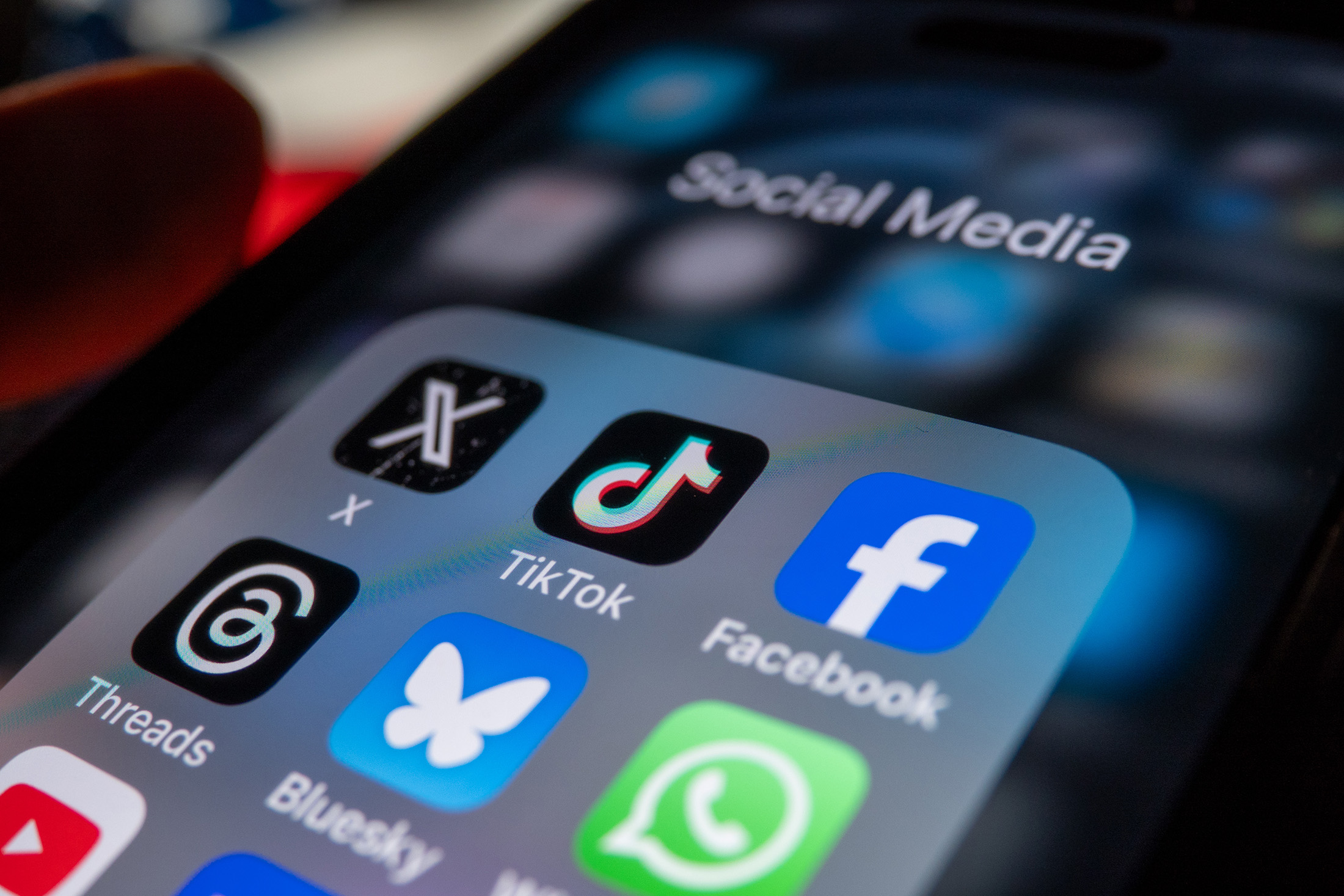
Australia Proposes New Social Media Algorithm Choice Rules

Australia Proposes Letting Users Turn Off Algorithmic Social Feeds

Australia Wants New Rules to Limit Big Tech Algorithms

US Challenges UK Plan to Promote 'Trustworthy' News Online
Albanese Says Tim Cook Calls Australia’s Social Media Curbs World-Leading

India Weighs Social Media Curbs for Users Under 18
ICC Announces 2027 ODI World Cup Schedule, India-Pakistan Clash

India to Open 2027 ODI World Cup Against Australia

Pakistan Drawn With India, Australia for 2027 World Cup

BJP MP Urges PM Modi to Create Insurer Bankruptcy Safeguards