

3 weeks ago
Hyderabad faces mounting civic waste crisis with rising daily garbage

Hyderabad is a big city in India, and it makes a huge amount of rubbish every single day.
Each day the city produces about 9,000 to 10,000 metric tonnes of garbage.
Most of the rubbish is leftover food and vegetable scraps.
There is also lots of plastic, glass, and waste from building and demolishing houses.
A big dumping ground called Jawaharnagar takes much of the trash, and people who live nearby are unhappy because it smells bad and pollutes the air and water.
Some building waste is being dumped on the edges of the city, which is harmful for the environment and dangerous for roads.
People are also throwing rubbish on roads and into drains while mixing wet and dry waste together.
To fix this, the city wants everyone to use four different bins for wet, dry, sanitary, and hazardous waste.
It also plans to build new plants over the next seven to eight months that turn waste into manure.
If people help sort their rubbish properly, the city can recycle and compost more and send less waste to the dumping ground.

Hyderabad generates nearly 9,000-10,000 metric tonnes of municipal waste every day, with GHMC accounting for about 50 per cent.
Food and vegetable waste is the largest component at 4,000-5,000 MT daily, alongside roughly 1,000 MT of plastic and 2,000 MT of construction and demolition waste.
A significant portion of construction waste is reportedly dumped along city outskirts, raising environmental and road safety concerns.
Sanitation workers say people dump garbage on roads and in drains while mixing wet and dry waste, prompting authorities to push a four-bin segregation system.
Residents have long complained about pollution from the Jawaharnagar dumping yard, and new composting plants due within 7-8 months aim to reduce waste transported there.
- Who
- Civic bodies Greater Hyderabad Municipal Corporation (GHMC), Malkajgiri Municipal Corporation, and Cyberabad Municipal Corporation, along with officials such as LB Nagar Zonal Commissioner Vikas Mahato.
- What
- Hyderabad is generating 9,000-10,000 metric tonnes of municipal waste daily, straining sanitation infrastructure and raising environmental and public health concerns.
- Where
- Hyderabad, India, including GHMC, Malkajgiri and Cyberabad areas, and the Jawaharnagar dumping yard.
- When
- Current and ongoing crisis; no specific date was given in the reports.
- Why
- Rising waste from food, plastic, glass and construction activity, continued dependence on the Jawaharnagar dumping yard, and poor segregation at source.
Residents and sanitation workers
Civic authorities
Jawaharnagar dumping yard
Residents and sanitation workers
Surrounding residents have raised alarm for years over air pollution, foul odour, groundwater contamination, and mosquito menace from the dumping yard.
Civic authorities
Officials say waste collected via SAT autos is still transported to Jawaharnagar, with more local processing expected once new facilities are established in 7-8 months.
Waste segregation at source
Residents and sanitation workers
Sanitation workers complain that people frequently dump garbage on roads and in drains and mix wet and dry waste, undermining scientific processing.
Civic authorities
Authorities are pushing a four-bin system for wet, dry, sanitary, and hazardous waste and say success depends on public participation and civic infrastructure capacity.
Key facts
- Daily municipal waste
- 9,000-10,000 metric tonnes
- Waste share
- GHMC ~50%; Malkajgiri and Cyberabad ~25% each
- Largest component
- Food and vegetable waste (4,000-5,000 MT/day)
- Plastic waste
- ~1,000 MT/day
- Construction and demolition waste
- ~2,000 MT/day
- New buildings annually
- 13,000-14,000 constructed; 1,000-2,000 demolished
- Main dumping site
- Jawaharnagar
- New processing plants
- Expected within 7-8 months
Sources
Related news

India Generates 1.7 Lakh Tonnes Daily Waste, 40% Never Processed

BMC Plans Local Waste Processing for Dadar’s 25-Tonne Markets

GHMC Removes 74.8 MT Waste During Monsoon Drive
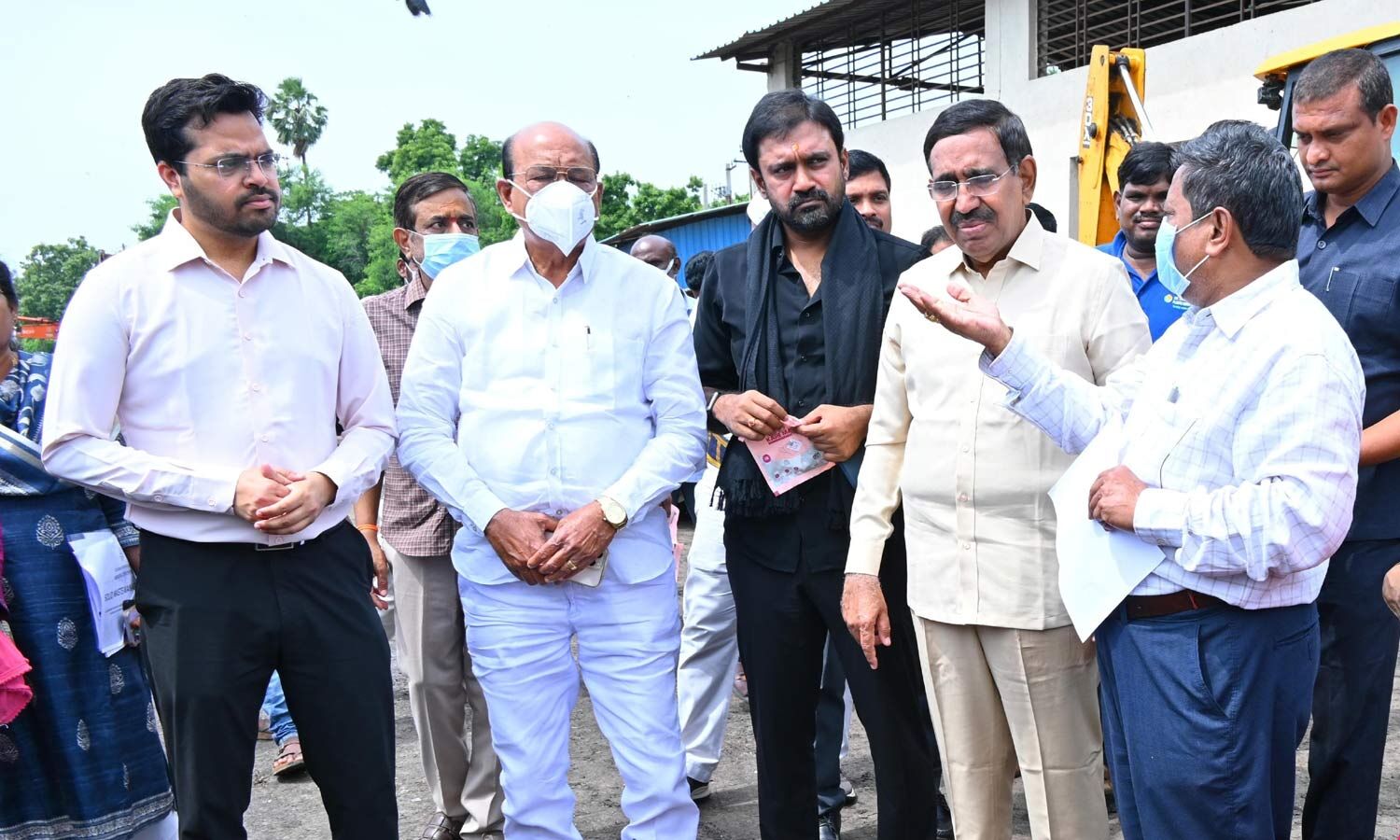
AP government aims for dumping yard-free state, says minister
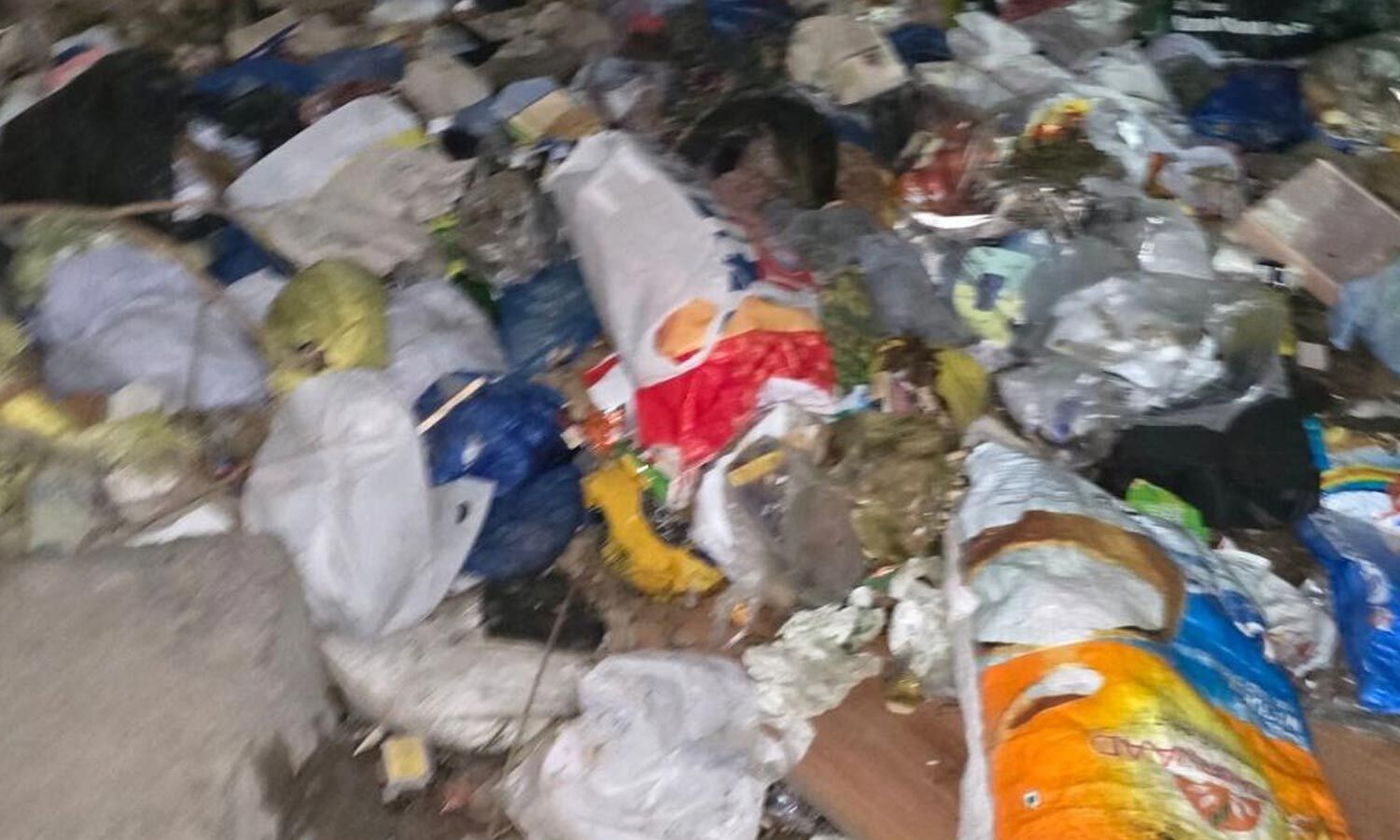
Residents demand action as garbage piles up in Yousufguda
GHMC Clears 126 Tonnes Waste During Special Monsoon Drive

Monsoon Mosquito Menace Raises Dengue Fears Across Hyderabad Suburbs
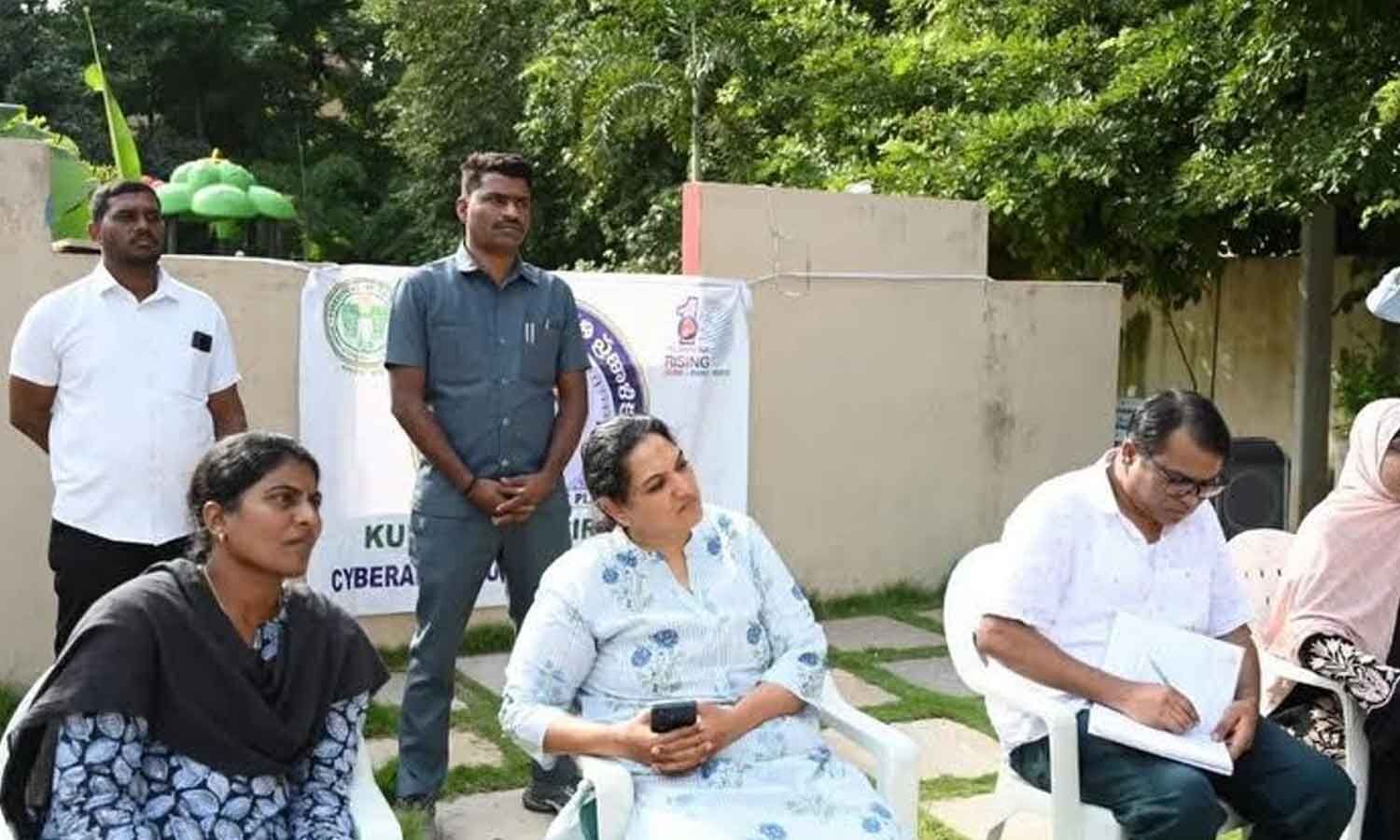
CMC Commissioner Inspects Gayatri Nagar Ward Through Daily Civic Drive
CMC Demolishes 21 Unauthorized Constructions in Hyderabad
CMC Demolishes 19 Illegal Structures Amid Residents’ Accountability Concerns
Cyberabad Municipal Corporation Demolishes 14 Unauthorised Buildings
