1 day ago
Six States Sign Kishau Pact, Advancing Long-Delayed Yamuna Project
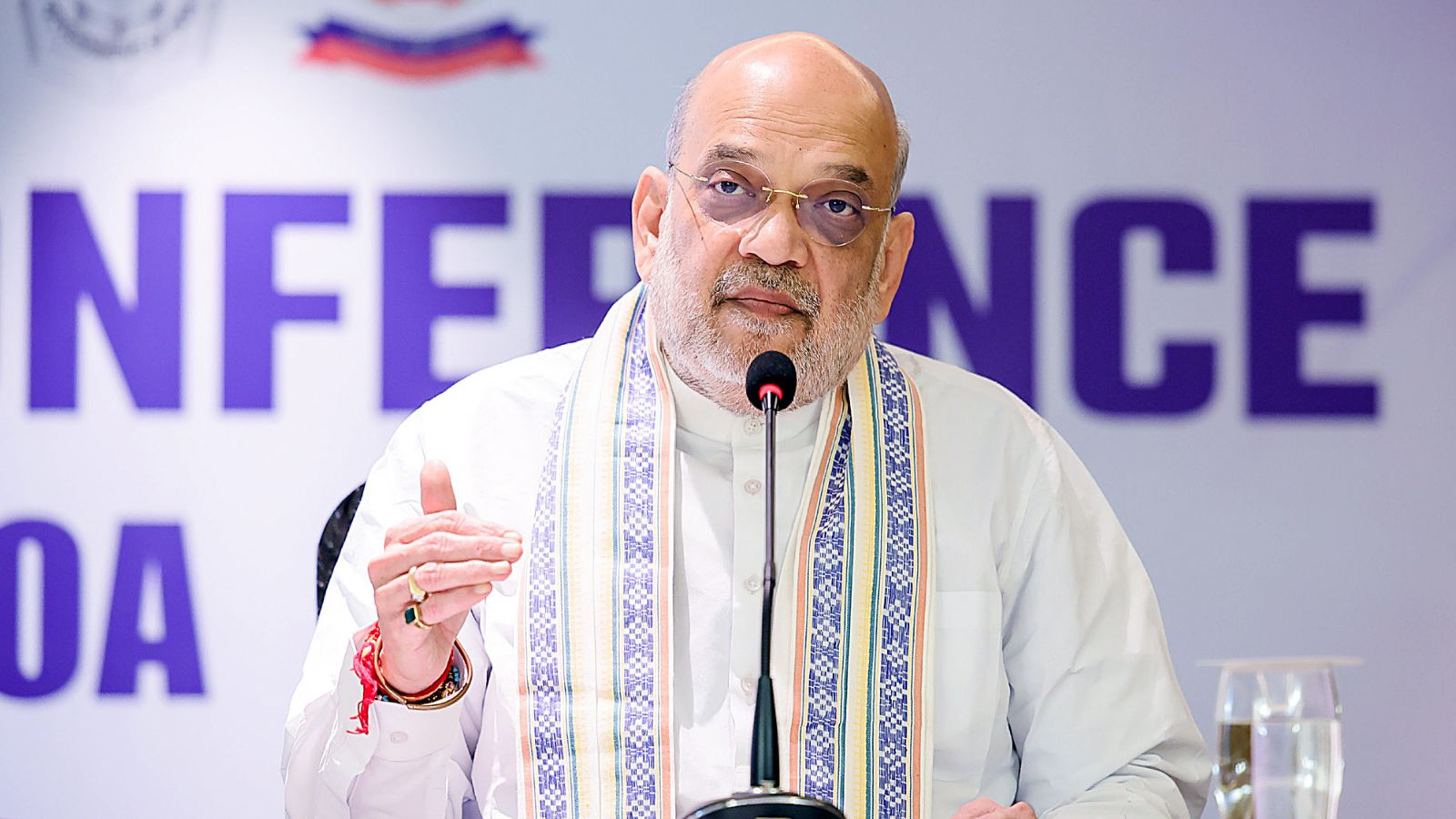
The Centre and six states agreed to move forward with a large dam called the Kishau Multipurpose Project.
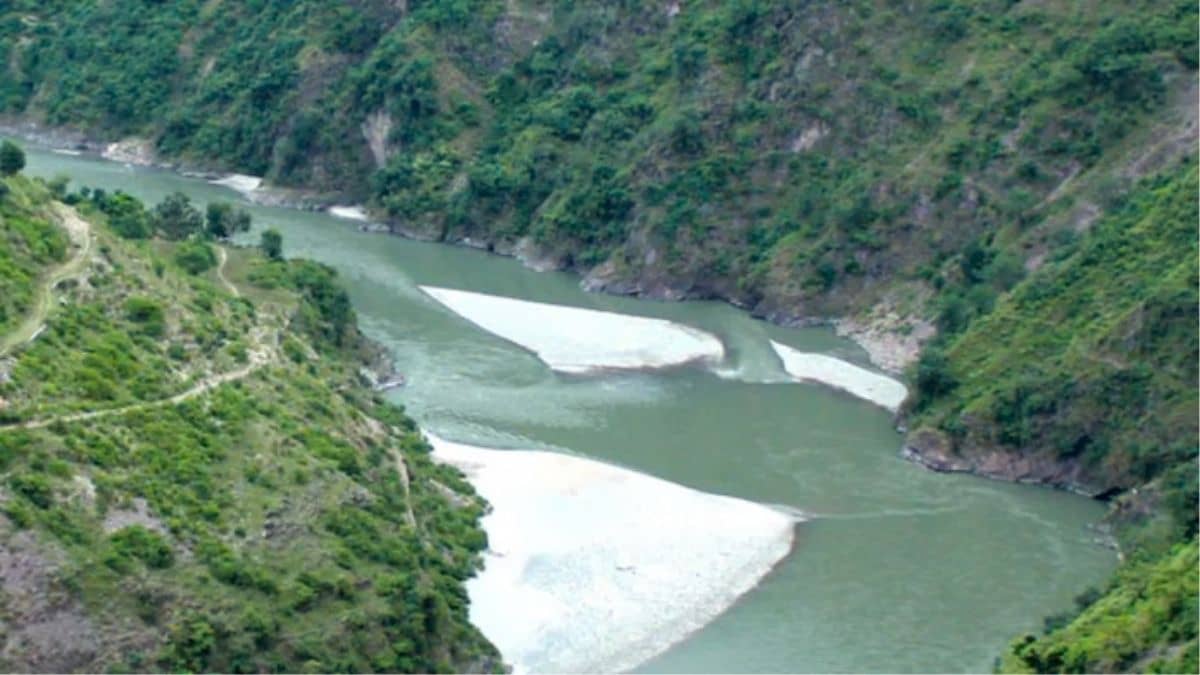
The dam would be built on the Tons River between Uttarakhand and Himachal Pradesh.
It would store a very large amount of water in a reservoir.
The stored water could help farms, homes and industries.
Delhi and Rajasthan are expected to receive important water benefits.
The project could also produce electricity each year.
The water may help increase the flow and environmental health of the Yamuna.
The Centre would pay most of the water-related cost, while the states would share the rest.
Himachal Pradesh said it secured a different arrangement for paying its power-component costs.
The project must still receive Union Cabinet approval before implementation.

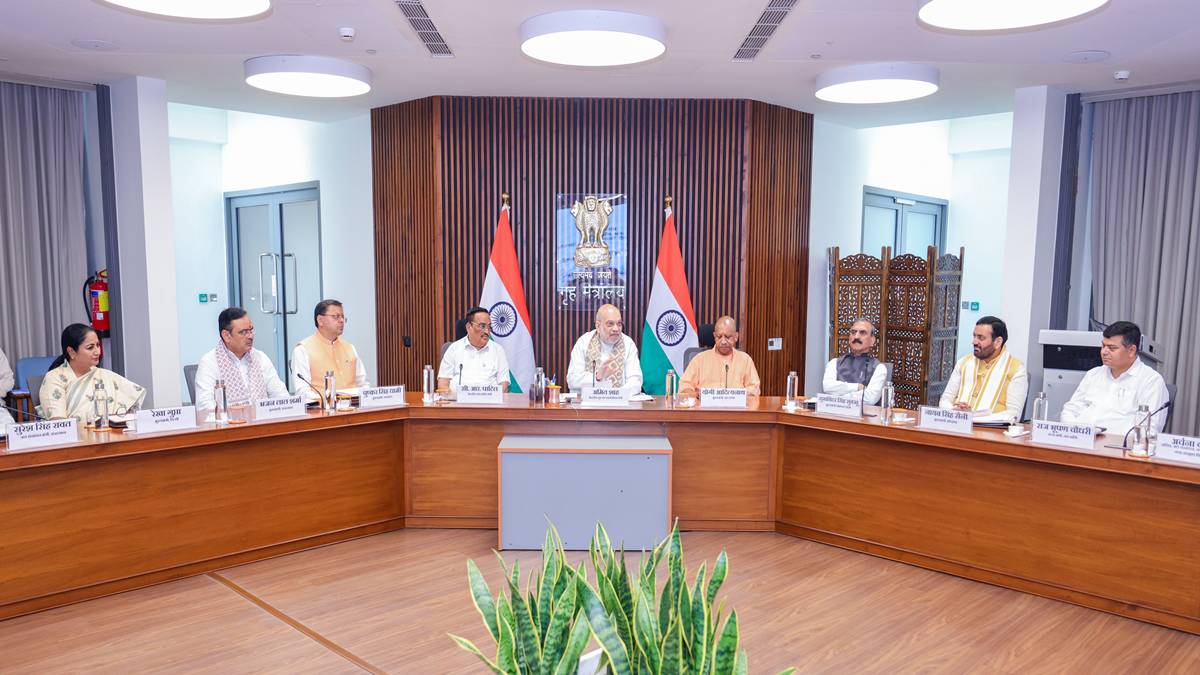
The Centre and six Upper Yamuna basin states signed an agreement to advance the Kishau Multipurpose Project.
The proposed 232.6-metre dam on the Tons River will create 1,562 million cubic metres of live storage.
The project is expected to irrigate about 97,000 hectares and support drinking and industrial water supplies.
Kishau is projected to generate around 1,476 million units of electricity annually and increase Yamuna flows.
The Centre will fund 90% of the water component, while the states share the remainder; Union Cabinet approval is still pending.
- Who
- The Centre and the governments of Himachal Pradesh, Haryana, Uttarakhand, Uttar Pradesh, Delhi and Rajasthan signed the agreement.
- What
- They signed an agreement for the Kishau Multipurpose Project, a dam and reservoir intended to provide water, irrigation and electricity.
- Where
- The project is planned on the Tons River in Uttarakhand’s Dehradun district and Himachal Pradesh’s Sirmaur district.
- When
- The agreement was signed on Tuesday, following a consensus reached on June 16; the broader Upper Yamuna water-sharing framework dates to May 12, 1994.
- Why
- It is intended to improve water storage and supplies, irrigate farmland, generate electricity and increase environmental flows in the Yamuna.
Project Supporters and Beneficiary States
Himachal Pradesh’s Cost and Impact Concerns
Project benefits
Project Supporters and Beneficiary States
The Centre and participating state leaders describe Kishau as a cooperative solution that will improve irrigation, drinking and industrial water supplies, generate electricity and increase the Yamuna’s flow. Delhi is described as the biggest beneficiary.
Himachal Pradesh’s Cost and Impact Concerns
Himachal Pradesh’s chief minister accepted the agreement but emphasised that the state would face displacement and environmental and social costs from the project.
Power-component financing
Project Supporters and Beneficiary States
The agreement provides for the Centre to cover about 90% of the water component, with the states sharing the remaining 10%; reports also say the power-component cost connected to Himachal Pradesh will be shared by beneficiary states.
Himachal Pradesh’s Cost and Impact Concerns
Himachal Pradesh Chief Minister Sukhvinder Singh Sukhu said the state rejected an earlier arrangement requiring it to contribute about ₹800 crore and secured an in-principle understanding that Delhi, Rajasthan and Haryana would bear the estimated ₹2,000-crore power-component burden attributed to Himachal Pradesh.
Himachal Pradesh’s returns
Project Supporters and Beneficiary States
The project is expected to provide shared regional water and power benefits, including allocations involving Delhi and Rajasthan.
Himachal Pradesh’s Cost and Impact Concerns
Sukhu said Himachal Pradesh would receive about 1,000 million units of electricity annually, potentially generating around ₹1,200 crore in annual revenue, and argued that the state should receive a larger share of returns from hydropower projects.
Key facts
- Reservoir capacity
- 1,562 million cubic metres of live storage
- Dam
- A 232.6-metre-high concrete gravity dam
- Irrigation benefit
- About 97,000 hectares of agricultural land
- Annual power generation
- Around 1,476 million units
- Estimated cost
- Approximately ₹15,000 crore to ₹15,624 crore, according to different reports
- Financing formula
- The Centre will fund about 90% of the water component; the six states will share the remaining 10% under the agreement
- Implementing body
- Kishau Corporation Limited, a joint venture of Himachal Pradesh and Uttarakhand
- Status
- The agreement has been signed and is to be placed before the Union Cabinet
Quotes

Sukhvinder Singh Sukhu
Chief Minister of Himachal Pradesh
“The previous government had agreed to give Rs 800 crore of the state’s share, which the present government refused in the interest of Himachal.”
 indianexpress.com
“This is yet another addition to the state’s financial resources.”
indianexpress.com
Sources
Related news
Six States Advance Long-Delayed Kishau Dam Project Agreement
Centre, Six States Sign Long-Pending Kishau Dam Pact
Kishau Project Pact Aims to Strengthen Shekhawati Water Security

Beneficiary States to Bear Himachal’s Rs 2,000 Crore Power Cost
India's Ken-Betwa River Link Project Brings Water Hope to Bundelkhand
India’s River-Linking Ambitions Face Engineering and Ecological Challenges
AAP's Pannu Warns Chandigarh Draft Could Cut Punjab Share

Haryana Plans Fuel Ban for End-of-Life Vehicles

India Live Updates: Vijay London Event Cancelled, Key Issues Emerge