

2 hrs ago
Women’s Safety Policies Leave Gaps Between Intent and Reality
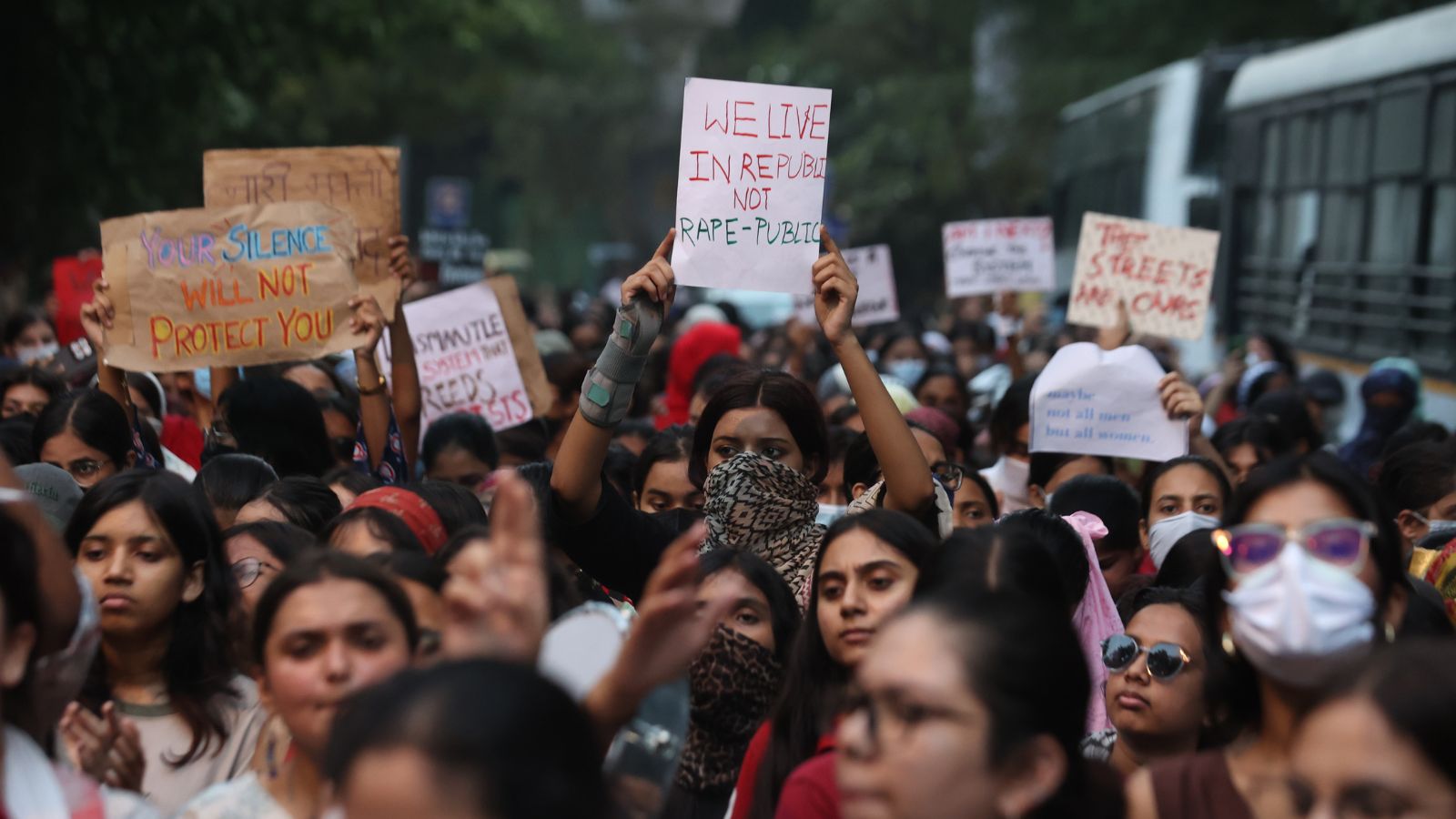
After a terrible gangrape in Delhi in 2012, many people protested for safer conditions for women.
The government created the Nirbhaya Fund to pay for safety projects.
It also passed a law about preventing sexual harassment at workplaces.
Much of the allocated money was used for police help desks and fast-track courts.
Some cities also studied how public spaces could be made safer.
Safety groups checked public places and transport in at least 10 cities.
However, the article says women still face serious safety problems.
It asks why incidents in Jamui and Aastha Kunj park happened despite these efforts.

The December 2012 gangrape in Delhi sparked protests demanding greater safety for women.
The Nirbhaya Fund and the Prevention of Sexual Harassment at Workplaces Act, 2013 were introduced afterward.
Between 2015 and 2025, Rs 5,846.08 crore of Rs 7,712.85 crore allocated under the Nirbhaya Fund was used.
The fund supported nearly 15,000 women’s help desks and fast-track courts for rape cases.
The article questions why incidents such as Jamui and Aastha Kunj park still occur despite these measures.
- Who
- Women, safety advocates, police, courts, and government institutions are discussed.
- What
- The article examines the gap between policies intended to improve women’s safety and continuing safety concerns.
- Where
- The measures and concerns involve India, including Delhi, Chennai, Surat, Bhubaneswar, Jamui, and Aastha Kunj park.
- When
- The discussion follows the December 2012 Delhi gangrape and covers Nirbhaya Fund spending between 2015 and 2025.
- Why
- The article asks why serious safety incidents continue despite laws, funding, help desks, courts, and urban safety initiatives.
Policy Progress
Continuing Safety Gaps
Effectiveness of government measures
Policy Progress
The article describes new laws, the Nirbhaya Fund, women’s help desks, fast-track courts, gender labs, and safety audits as steps toward improving women’s safety.
Continuing Safety Gaps
The article argues that these measures have not prevented continuing concerns, citing Jamui and Aastha Kunj park and asking why such incidents still occur.
Funding versus outcomes
Policy Progress
Rs 5,846.08 crore of the Rs 7,712.85 crore allocated under the Nirbhaya Fund was used for safety-related programmes.
Continuing Safety Gaps
The article questions whether spending and institutional initiatives are translating into safer conditions for women.
Key facts
- Triggering event
- A gangrape in Delhi in December 2012 led to protests demanding greater safety for women.
- Nirbhaya Fund allocation
- Rs 7,712.85 crore was allotted between 2015 and 2025.
- Nirbhaya Fund usage
- Rs 5,846.08 crore of the allocation was used.
- Police help desks
- Nearly 15,000 women’s help desks were established in police stations.
- Court response
- The funds supported the establishment of fast-track courts for rape cases.
- Urban safety initiatives
- Gender labs were established in Chennai, Surat, and Bhubaneswar.
- Safety audits
- Nikore Associates conducted audits of public spaces and public transport facilities in at least 10 cities.
Sources
Related news

Delhi Women’s Safety Still Fails 14 Years After Nirbhaya

India Needs Mission-Mode Action on Crimes Against Women

Delhi Bus Case Raises Questions Over Women’s Safety Systems
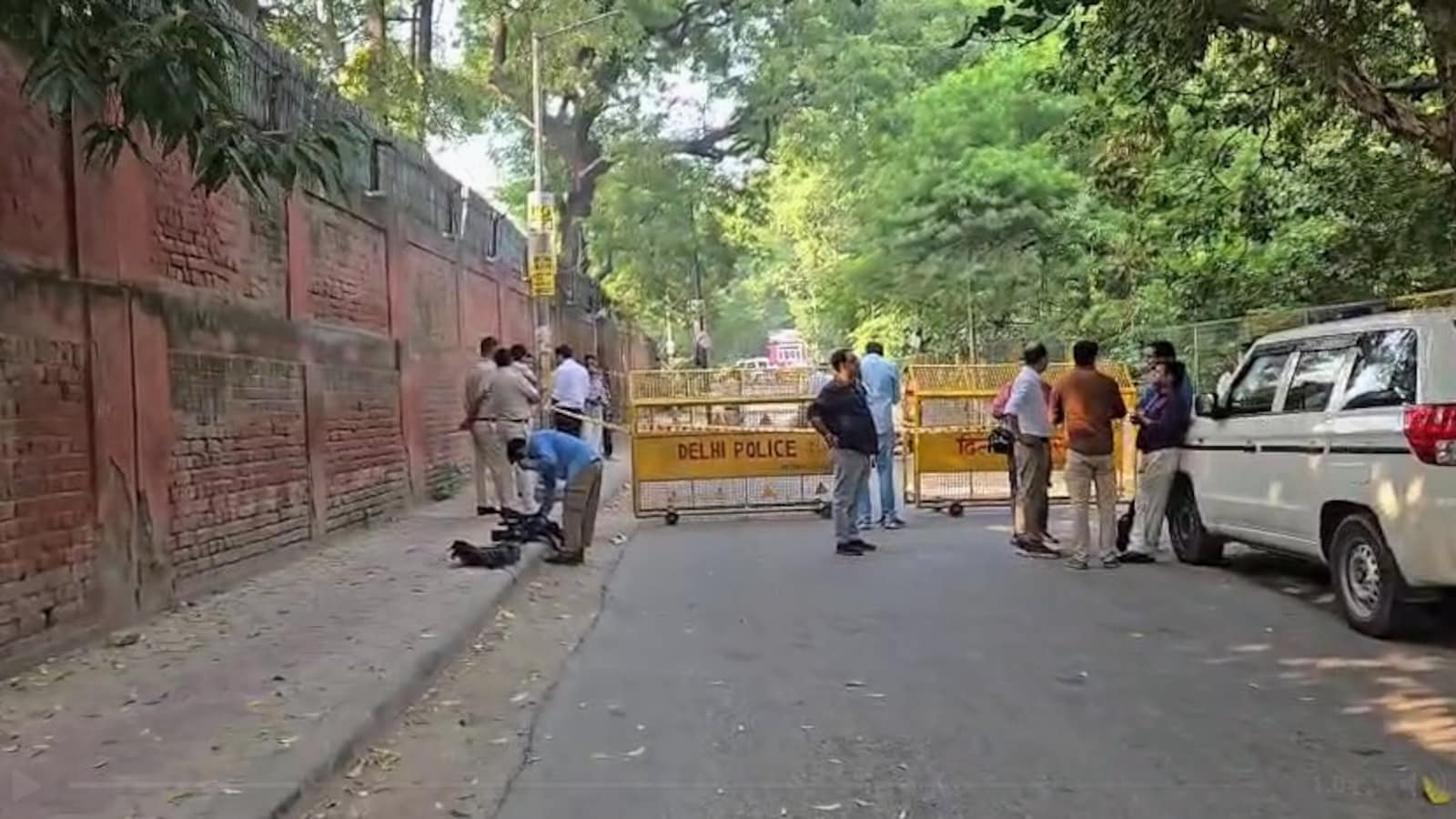
Why Women’s Public-Space Rights Remain Unfinished in Delhi

Priyanka Gandhi Condemns Rising Crimes, Demands Women’s Safety

Delhi Bus Rape Allegation Raises Questions Over Women’s Safety
Naveen Patnaik vows fight against MMDR Act for Odisha’s future

Odisha CM Hands Over Jobs to 1,101 Newly Recruited Officers
Odisha Vigilance Arrests Six in Rs 9.24-Crore Funds Case
Mahanadi Flood Threat Grows as State Evacuates Thousands
