

2 weeks ago
Tata Succession Uncertainty Raises Questions About Group’s Future Leadership
The Tata Group is thinking about who should lead it after Natarajan Chandrasekaran.
The group has many companies in very different businesses.
One person may find it difficult to understand and guide all of them.
Some people think the next leader should come from inside the group.
Others think the jobs of chairman and managing director could be separated.
Another idea is to give leaders responsibility for different business sectors.
Tata companies were often created to serve a larger purpose, not just to make money quickly.
People want the group to explain its plans so investors and employees do not rely on rumors.

The Tata Group has not clarified how it will choose Natarajan Chandrasekaran’s successor at Tata Sons.
A search committee has yet to be announced, prompting questions from investors and company observers.
The conglomerate spans more than 20 publicly traded companies across technology, automotive, steel, consumer goods and other sectors.
Potential models include appointing one overall leader or separating the chairman and managing director roles.
Observers say timely communication could reduce speculation about leadership differences, internal talent changes and the group’s future direction.
- Who
- Tata Sons and the wider Tata Group are considering leadership arrangements after Natarajan Chandrasekaran.
- What
- The group’s succession process and possible future leadership structure remain unclear.
- Where
- The issue concerns Tata Group companies operating across sectors including technology, automotive, steel, consumer goods and minerals.
- When
- The issue is being discussed before a successor or search committee has been announced.
- Why
- The group’s scale and diversity make the choice of a single successor difficult, while investors and observers want clarity about its future direction.
Centralized Leadership
Distributed Leadership
Role of the successor
Centralized Leadership
The group could seek one highly capable leader who understands its diverse businesses and long-term investments while providing strategic direction.
Distributed Leadership
The group could divide responsibilities by separating the chairman and managing director roles or appointing leaders for different sectors.
Internal versus external appointment
Centralized Leadership
An internal candidate could preserve Tata culture, ethos and knowledge of the group’s internal dynamics.
Distributed Leadership
The discussion leaves open whether a broader search is needed for a leader with expertise across consumer businesses, manufacturing, technology, minerals and other fields.
Communication strategy
Centralized Leadership
The group may prefer to maintain discretion while deciding its next structure and leadership approach.
Distributed Leadership
Investors and observers argue that timely communication is necessary to limit speculation about turmoil, talent changes and possible differences at the top.
Key facts
- Institutional history
- The Tata Group is described as 158 years old.
- Public companies
- The group spans more than 20 publicly traded companies.
- Combined market capitalization
- Its listed companies are valued at approximately ₹26.32 lakh crore, with the article giving a dollar range of about $277 billion to $320 billion.
- Leadership under discussion
- The potential successor to Tata Sons chairman Natarajan Chandrasekaran is the focus of the discussion.
- Search committee
- A search committee had not yet been announced at the time described in the article.
- Possible structure
- Ideas include one overall leader, separate chairman and managing director roles, or sector-based leadership.
- Investor concern
- A Tata company board member said public shareholder interests would be better served by clarity about the group’s plans.
Sources
Related news

Tata Trusts Form Committee to Select Next Tata Sons Chairman
Tata Sons faces most complex succession test after Chandrasekaran

Chandrasekaran to step down as Tata Sons Chairman in 2027

Next Tata Chairman Faces Toughest Job, Management Professor Warns
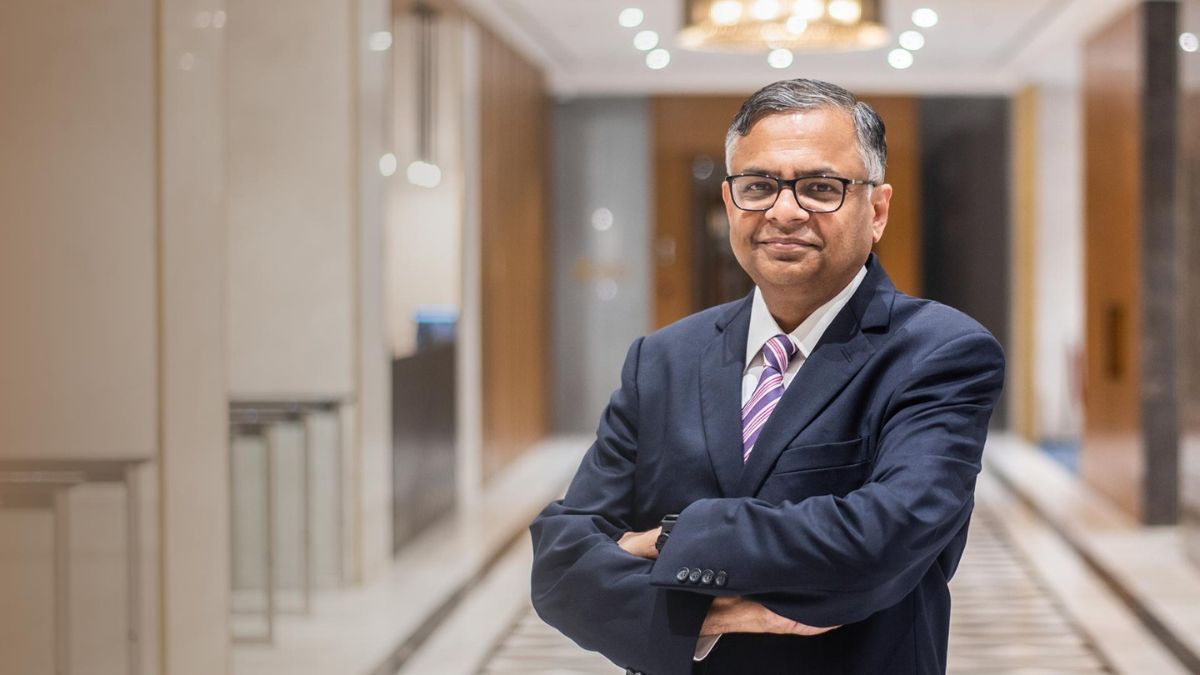
Tata Sons Begins Succession Race After Chandrasekaran Steps Down
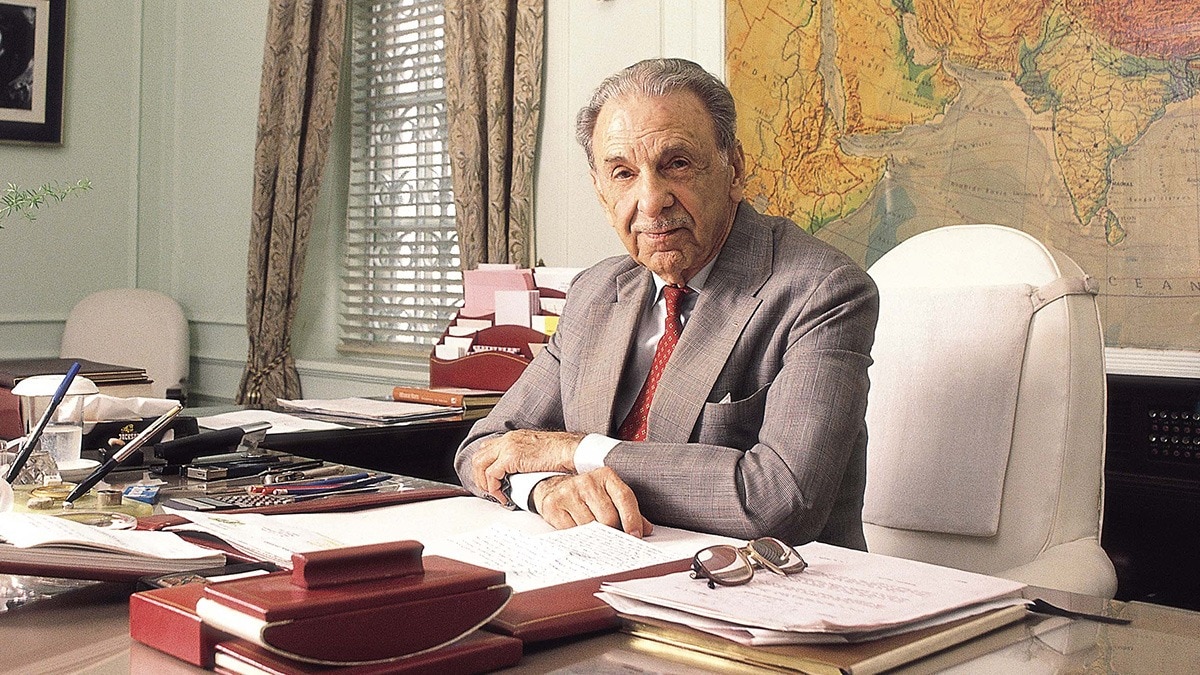
JRD Tata’s Quote Links Leadership With Service And Purpose
Tata’s Patient Bets Aim to Build India’s Missing Capabilities

Experts Outline Leadership Choices in Tata Sons Succession
Air India building to honour 106 Samyukta Maharashtra martyrs
