

2 weeks ago
H1N1 Cases Surge In India: Recovery Tips, School Outbreak

H1N1 is a flu virus that makes people sick with fever, cough, and body aches.
It is sometimes called swine flu.
Right now, many people in India are getting sick with it during the rainy monsoon season.
More than 500 students and some teachers at a school in Bengaluru fell ill.
At least two students were officially found to have H1N1.
In Delhi, there are about six times more cases than last year.
Most people get better at home in about a week.
Drinking water and soup, eating light food and fruits, and sleeping at least eight hours help the body fight the virus.
If someone has trouble breathing or a very high fever that won't go away, they should see a doctor right away.

Over 500 students and 21 staff members at Clarence High School in Bengaluru's Richards Town fell ill with severe flu-like symptoms.
Medical testing officially confirmed at least two cases of H1N1 (swine flu) among the school's students.
Data from the National Centre for Disease Control (NCDC) revealed a sixfold increase in H1N1 infections in Delhi compared with the same period last year.
Most H1N1 cases are mild and can be managed at home, with antivirals most effective when started within 48 hours of the first symptom.
Experts recommend fluids, warm light meals, Vitamin C-rich foods, and at least 8 hours of sleep for quick recovery.
- Who
- Students and staff at Clarence High School in Bengaluru, plus patients across several parts of India; guidance was offered by Dr. Meenakshi Jain of Max Super Speciality Hospital, Patparganj, and infection data came from the National Centre for Disease Control (NCDC).
- What
- A surge in H1N1 (swine flu) cases during the monsoon season, including a confirmed school outbreak, alongside guidance on symptoms, treatment, diet, and rest for recovery.
- Where
- Several parts of India, including Bengaluru (Richards Town) and Delhi.
- When
- During the ongoing monsoon season, per current reporting.
- Why
- H1N1 typically spikes during the monsoon due to high humidity and during the winter months, driving the current rise in infections.
Key facts
- Virus
- H1N1 (swine flu), a subtype of the Influenza A virus causing acute respiratory infection
- Confirmed school cases
- At least 2 students at Clarence High School, Bengaluru
- School outbreak
- 500+ students and 21 staff with flu-like symptoms
- Delhi infection trend
- Sixfold increase vs same period last year (NCDC data)
- Antiviral window
- Most effective within 48 hours of first symptom
- Recommended rest
- At least 8 hours of sleep
- Typical recovery time
- About a week for most people
- Emergency warning signs
- Shortness of breath, chest pain, bluish lips, sudden confusion, fever not dropping with medication
Quotes
Dr. Meenakshi Jain
Principal Director and HOD, Internal Medicine, Max Super Speciality Hospital, Patparganj
“"Most people recover within a week with adequate rest and proper nutrition. However, immediate medical attention should be sought if symptoms include persistent high fever, difficulty breathing, chest pain, or unusual drowsiness, particularly in children, the elderly, pregnant women, and those with pre-existing health conditions,"”
 NDTV
NDTV
“"As H1N1 (swine flu) cases climb across several parts of the country, many people are experiencing fever, body aches, and persistent cough. While most cases remain mild and can be managed at home, the right food and adequate rest play a crucial role in speeding up recovery,"”
NDTV
Sources
Related news
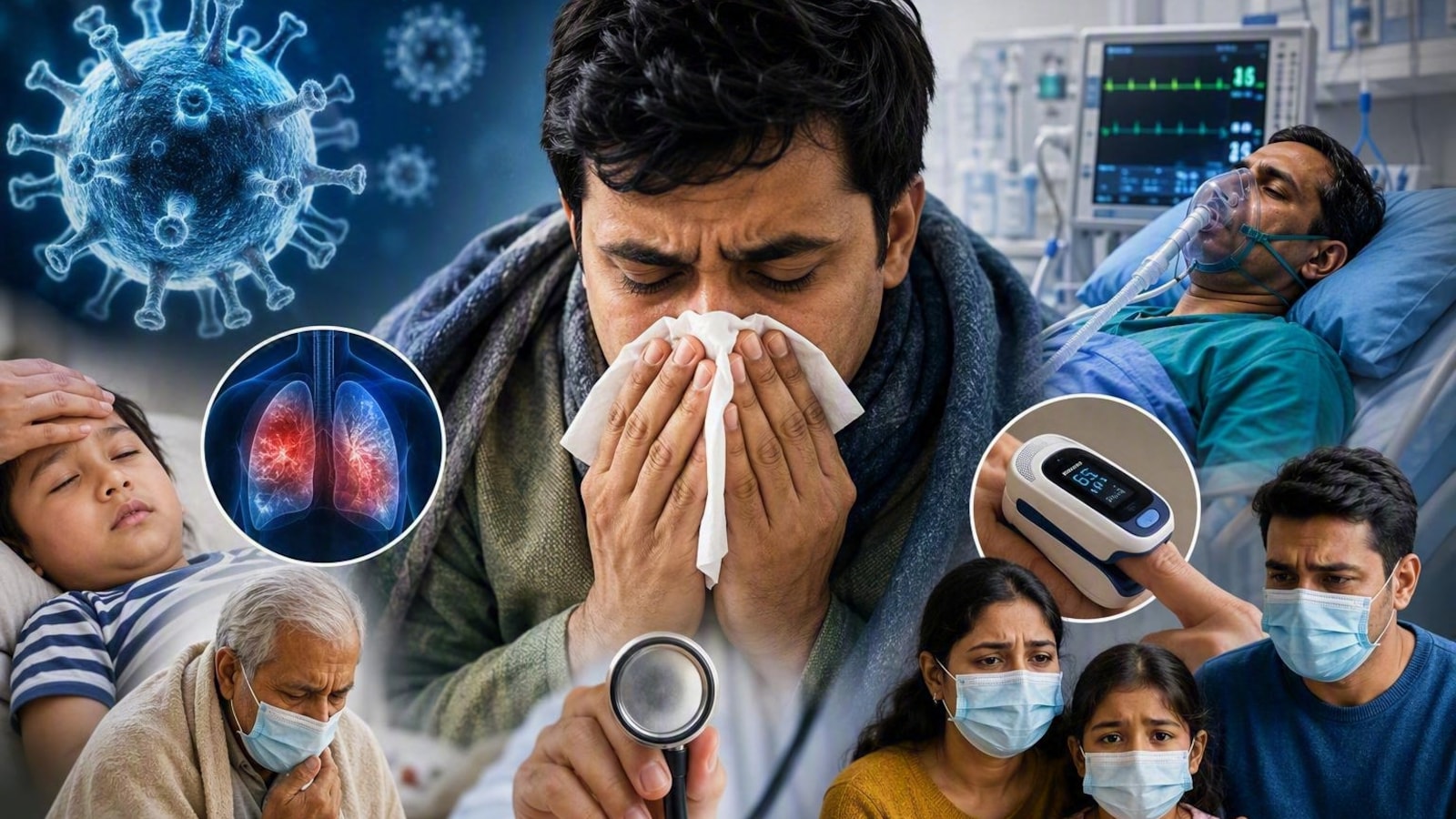
H1N1 Cases Surge in India as Symptoms Arrive Suddenly

H1N1 Cases Rise in India; Simple Ways to Protect Yourself

Delhi records nearly six-fold rise in H1N1 cases in 2026

Delhi H1N1 Cases Rise as Government Urges Mask Use
H1N1 Rise Brings Body Aches: Causes, Relief And Warning Signs
H1N1 Usually Improves Within A Week, Cough May Linger

The Yellow Diary Launches India Tour With Sold-Out Bengaluru Shows

Court defers approver Pradosh’s statement in Renukaswamy murder case

Shivakumar Seeks NITI Aayog Funds, Backs Second Bengaluru Plan

Viswanathan Anand Says AI Has Transformed Modern Chess

Science Quiz Covers Vehicle Communication, Space, Medicine, Missiles and Time
