1 week ago
Why Phone Screens Leave Your Eyes Feeling Dry
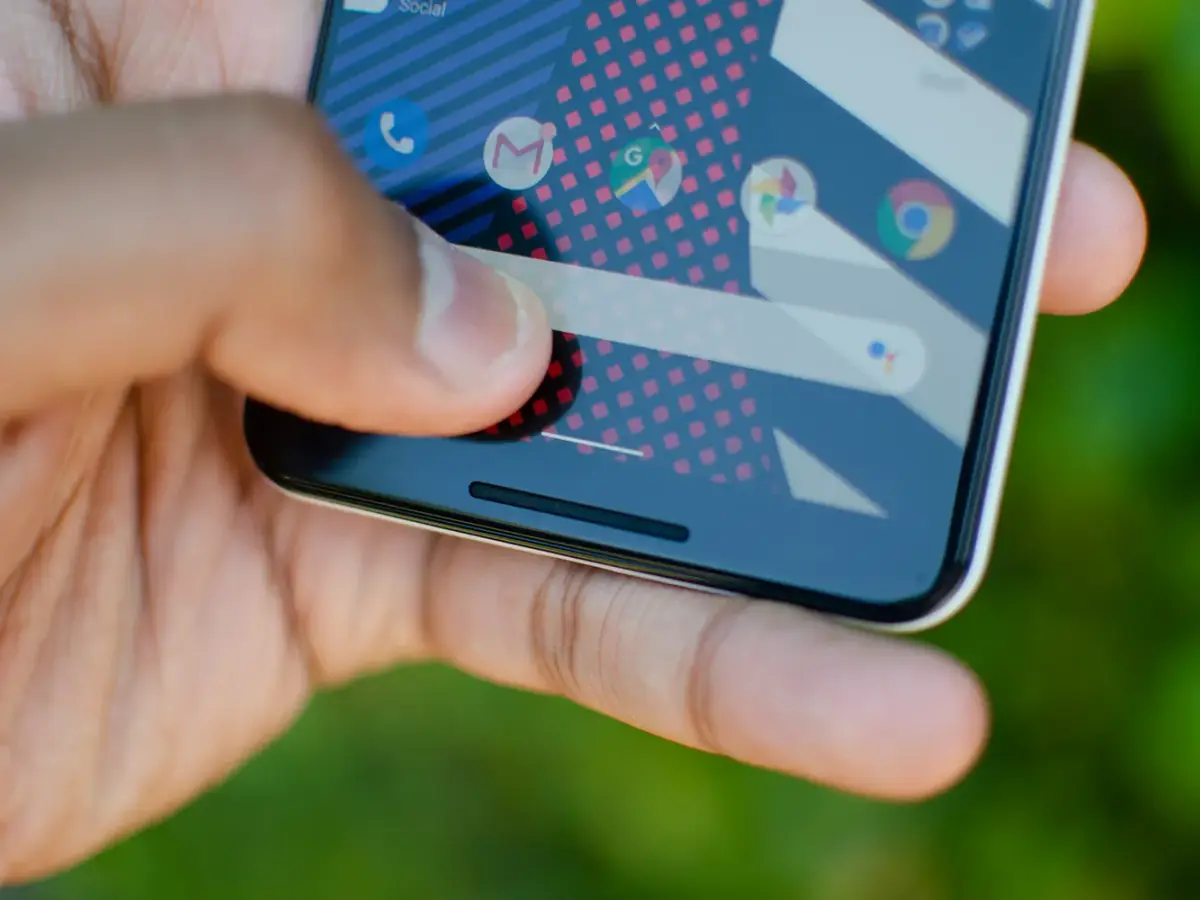
When you stare at your phone, your eyes do not blink as often.
Blinking helps spread tears across the front of your eyes.
Fewer blinks allow those tears to dry up faster.
Phone users may also blink only partway.
This prevents the oily layer of the tear film from spreading properly.
Without that layer, the watery part of the tears evaporates more quickly.
Phones are often held closer than books, which makes the eye muscles work harder to point inward.
Keeping the phone at least 40 centimetres away may help reduce this strain.

Digital eye strain can cause dry, tired eyes after prolonged phone use.
Screen concentration can reduce blinking from about 15–20 times to roughly 5–7 times per minute.
Users often make incomplete blinks, preventing the tear film’s oily layer from spreading evenly.
Without that oily barrier, the watery tear layer evaporates more quickly.
Holding a phone close to the face increases convergence strain; viewing from at least 40 centimetres may reduce it.
- Who
- Millions of people who use mobile phones can experience this discomfort.
- What
- Staring at a phone can cause digital eye strain, dryness, and tired eyes by reducing and weakening blinking and increasing convergence strain.
- Where
- At the surface of the eyes while viewing a nearby digital screen.
- When
- After scrolling or staring at a mobile phone, particularly during sustained concentration.
- Why
- Reduced and incomplete blinking allows tears to evaporate more quickly, while close viewing makes the eye muscles work continuously to turn the eyes inward.
Key facts
- Typical blink rate
- The human eye typically blinks 15 to 20 times per minute.
- Blink rate during screen use
- The American Academy of Ophthalmology says screen viewing reduces blinking by half; phone users may blink roughly 5 to 7 times per minute.
- Tear-film function
- Blinking replenishes the tear film over the cornea.
- Incomplete blinking
- The upper eyelid may fail to connect fully with the lower eyelid during screen use.
- Oily tear-film layer
- Meibomian glands produce a lipid layer that helps slow evaporation of the watery tear layer.
- Recommended viewing distance
- Health professionals recommend holding the screen at least 40 centimetres away to reduce convergence strain.
Sources
Related news

Simple Ways to Keep Eyes Healthy During Screen Use

Dry Eyes, Phone Germs and Fatty Liver Questions Answered

Five Eye Symptoms Women Over 40 Should Never Ignore

Preventive Vision Health Grows Essential for Digital-First Workforce

Prolonged Phone and Laptop Use Can Harm Spine Health

Laptop Posture May Strain The Neck, Surgeon Warns