1 week ago
Simple Ways to Keep Eyes Healthy During Screen Use

Looking at screens for a long time can make your eyes tired and dry.
You might notice blurry vision, headaches, or irritation.
Every 20 minutes, look at something at least 20 feet away for 20 seconds.
This gives your eye muscles a short rest.
Keep your screen about an arm’s length away and no higher than your eyes.
Use enough room light so the screen does not create harsh glare.
Make words bigger and reduce the screen brightness if needed.
Remember to blink often because people blink less while reading screens.
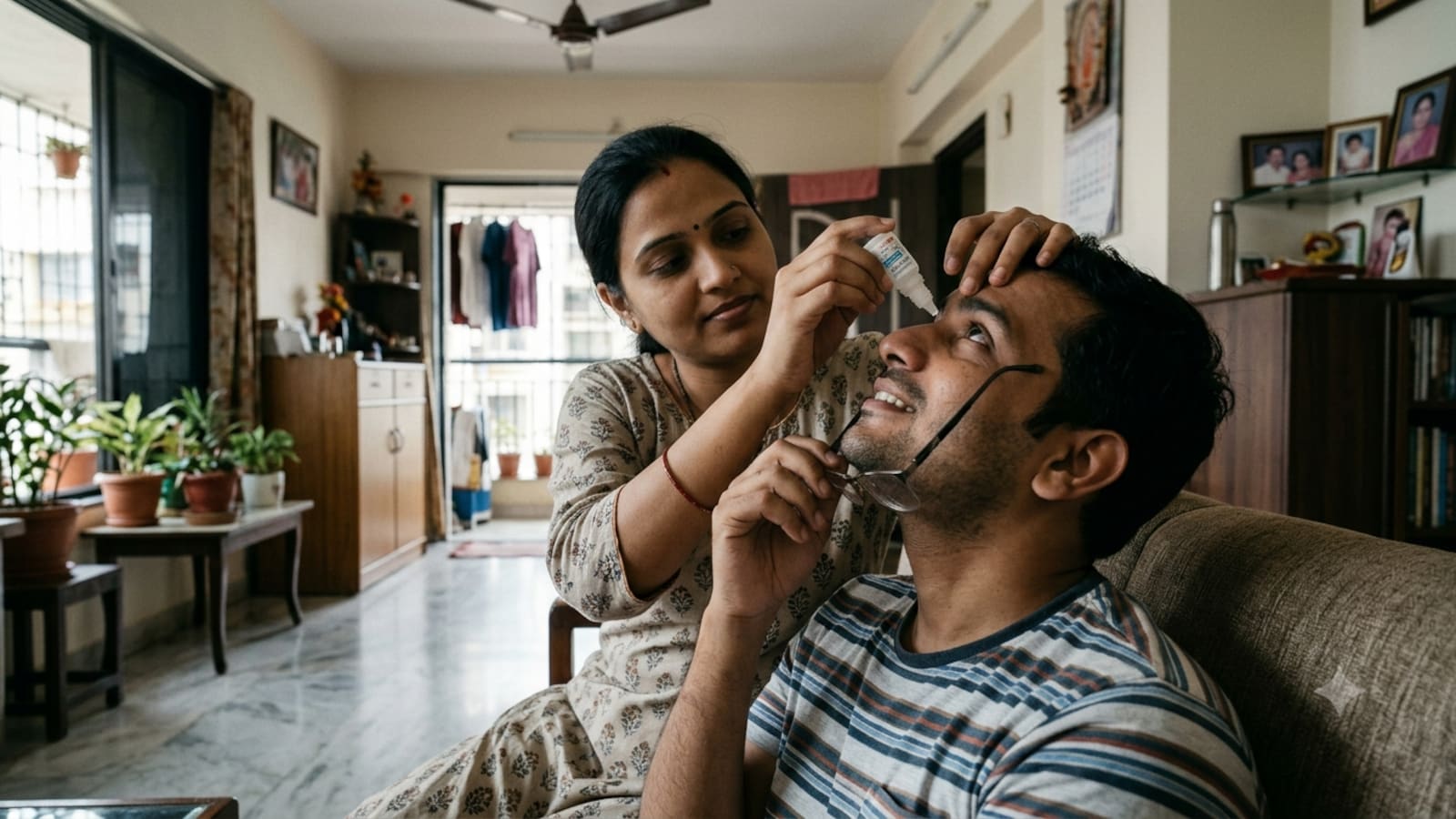
Artificial tears or wearing glasses instead of contact lenses may help with dryness.

Use the 20-20-20 rule: every 20 minutes, look at something 20 feet away for 20 seconds.
Keep monitors about an arm’s length away, with the top at or slightly below eye level.
Match room lighting to screen brightness and avoid using screens in dark rooms.
Increase text size and lower screen brightness to make reading more comfortable.
Blink fully and often, and consider artificial tears or glasses instead of contact lenses during long screen sessions.
- Who
- Adults and other people who spend extended periods using laptops, smartphones, and tablets.
- What
- Practical steps to reduce digital eye strain and help maintain eye comfort during screen use.
- Where
- At computer workstations and in other places where digital devices are used.
- When
- During prolonged screen sessions and long working hours.
- Why
- To help reduce symptoms such as blurred vision, dry eyes, irritation, and headaches.
Key facts
- 20-20-20 rule
- Every 20 minutes, look at an object at least 20 feet away for 20 seconds.
- Screen distance
- Place a computer monitor about an arm’s length away.
- Screen height
- Keep the top of the screen at or slightly below eye level.
- Lighting
- Keep room lighting roughly as bright as the screen and avoid dark rooms.
- Blinking
- Screen reading can reduce blinking from about 15 times per minute by nearly half.
- Dryness relief
- Conscious blinking and artificial tear drops may help prevent or relieve dryness.
- Contact lenses
- People wearing contact lenses may consider switching to glasses during long shifts.
Sources
Related news
Why Phone Screens Leave Your Eyes Feeling Dry

Preventive Vision Health Grows Essential for Digital-First Workforce

Dry Eyes, Phone Germs and Fatty Liver Questions Answered

Five Eye Symptoms Women Over 40 Should Never Ignore

Laptop Posture May Strain The Neck, Surgeon Warns

Prolonged Phone and Laptop Use Can Harm Spine Health