1 week ago
AI-Piloted Aircraft Aim to Reduce Dependence on Airbases
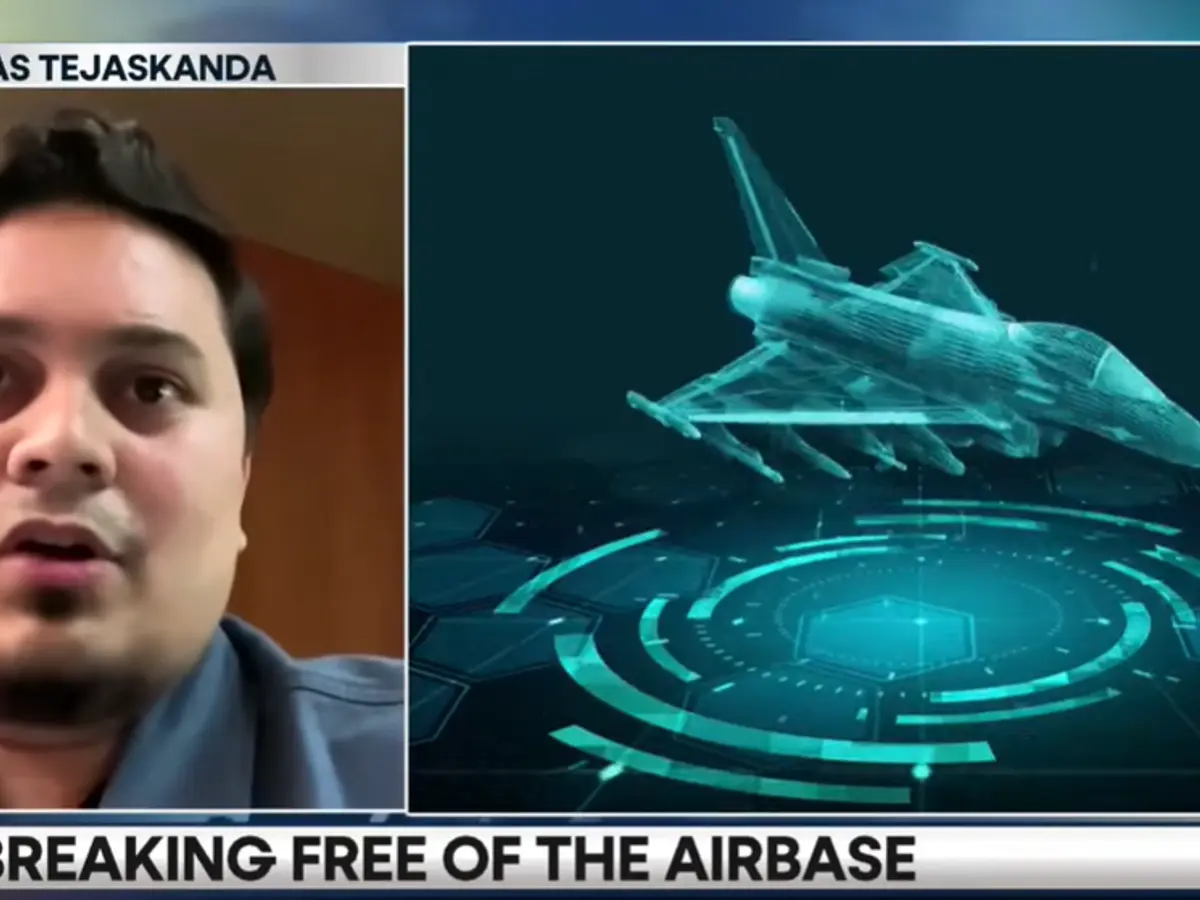
Suhas Tejaskanda is developing aircraft that can fly with help from artificial intelligence.
His company wants these aircraft to operate without needing large airbases and runways.
It is studying rocket-assisted take-off for this purpose.
This could make the aircraft easier to spread out during a war.
The aircraft are intended to cost less than traditional crewed fighter jets.
The company says its smaller test aircraft should fly in the third quarter of 2026.
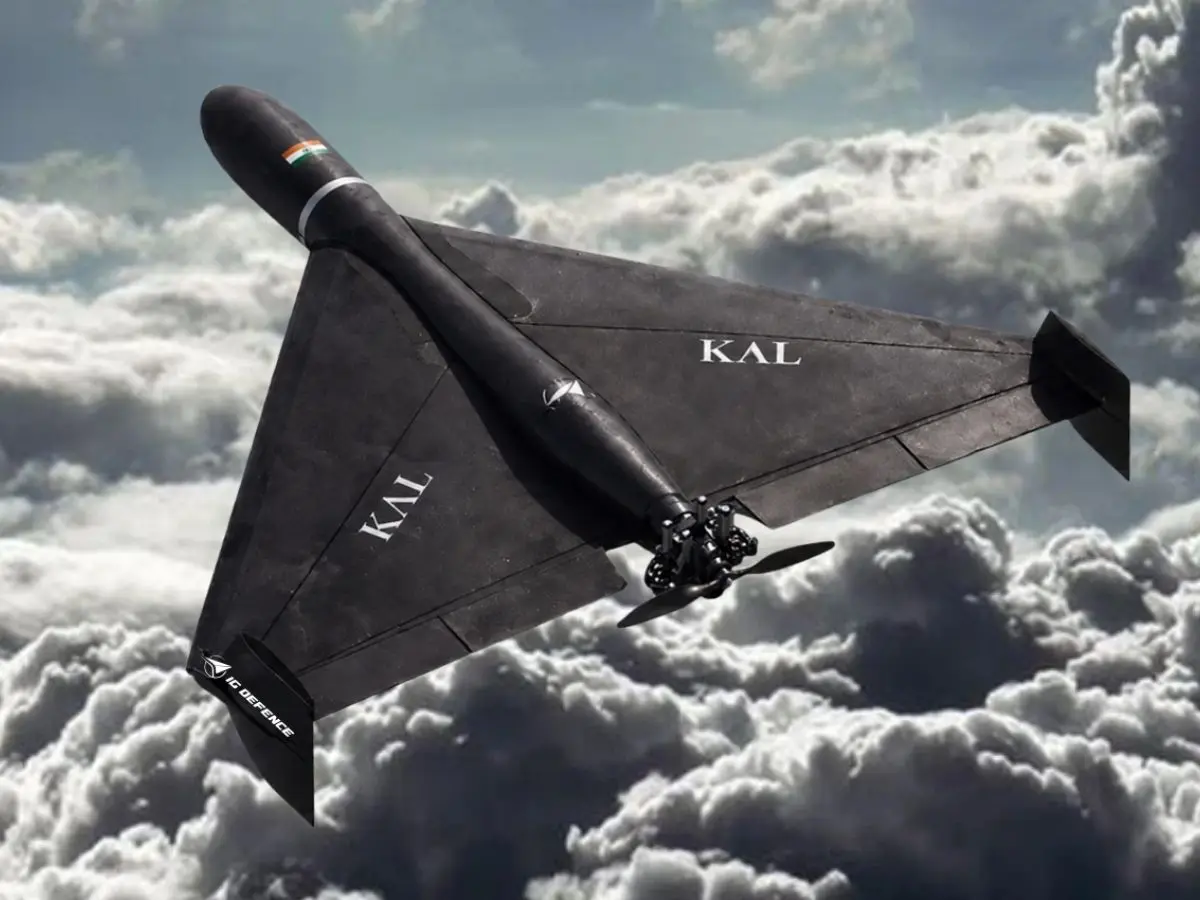
Its Kaal Bhairava aircraft has already completed 100 hours of flight testing.
It can take off, land, identify, track, and circle a target by itself, but a person still makes the final decision about using force.

Flying Wedge Defence and Aerospace is exploring rocket-assisted take-off to reduce reliance on conventional runways.
The approach is being examined partly for Indian military requirements in high-altitude border environments.
The company says lower-cost autonomous aircraft could enable combat operations in larger numbers.
Its subscale flight demonstrator is expected to fly in the third quarter of 2026.
The Kaal Bhairava platform has completed 100 flight hours, with humans still making final engagement decisions.
- Who
- Suhas Tejaskanda and his company, Flying Wedge Defence and Aerospace.
- What
- The company is developing lower-cost, AI-piloted aircraft designed to operate with less dependence on conventional airbases.
- Where
- The work is being driven partly by Indian armed forces' requirements for high-altitude environments along India's borders.
- When
- The company's subscale flight demonstrator is expected to fly in the third quarter of 2026; Kaal Bhairava has already completed 100 flight hours.
- Why
- To create aircraft that can operate without conventional runways, potentially be dispersed more widely, and be deployed in larger numbers.
Key facts
- Company
- Flying Wedge Defence and Aerospace
- Founder and CEO
- Suhas Tejaskanda
- Take-off approach
- Rocket-assisted take-off, or RATO
- Autonomy level
- The company describes its current work as Level Four autonomy
- Test aircraft
- Kaal Bhairava
- Flight testing
- 100 flight hours, including approximately 20 to 30 hours of autonomous flying
- Expected demonstrator flight
- Third quarter of 2026
Quotes
Suhas Tejaskanda
Founder and CEO of Flying Wedge Defence and Aerospace
“You have to have the performance in place and also make something that is runway independent.”
 wionews.com
“We have designed it completely autonomous, take-off and landing without human intervention.”
wionews.com
Sources
Related news
India’s ‘Mobbing Doctrine’ Envisions AI Swarms Challenging Manned Fighters
Autonomous Wingmen Could Help Ease the Indian Air Force’s Squeeze
IAF Veterans Outline India's Networked Air Warfare Strategy

Agni Kalash Drone Claims 300-Kilometre Range and GPS-Denied Operation
IAF Says Drones Are Evolutionary, Favors Integrated Combat Operations
India’s Drone Revolution Moves From FPV Strikes to Long Missions

Kaal Bhairav Jayanti Celebrated: Understanding Its Significance, Muhurat, and Rituals

Kaal Bhairav Jayanti 2025: Date, Timings, and Worship Significance