2 hrs ago
India’s ‘Mobbing Doctrine’ Envisions AI Swarms Challenging Manned Fighters
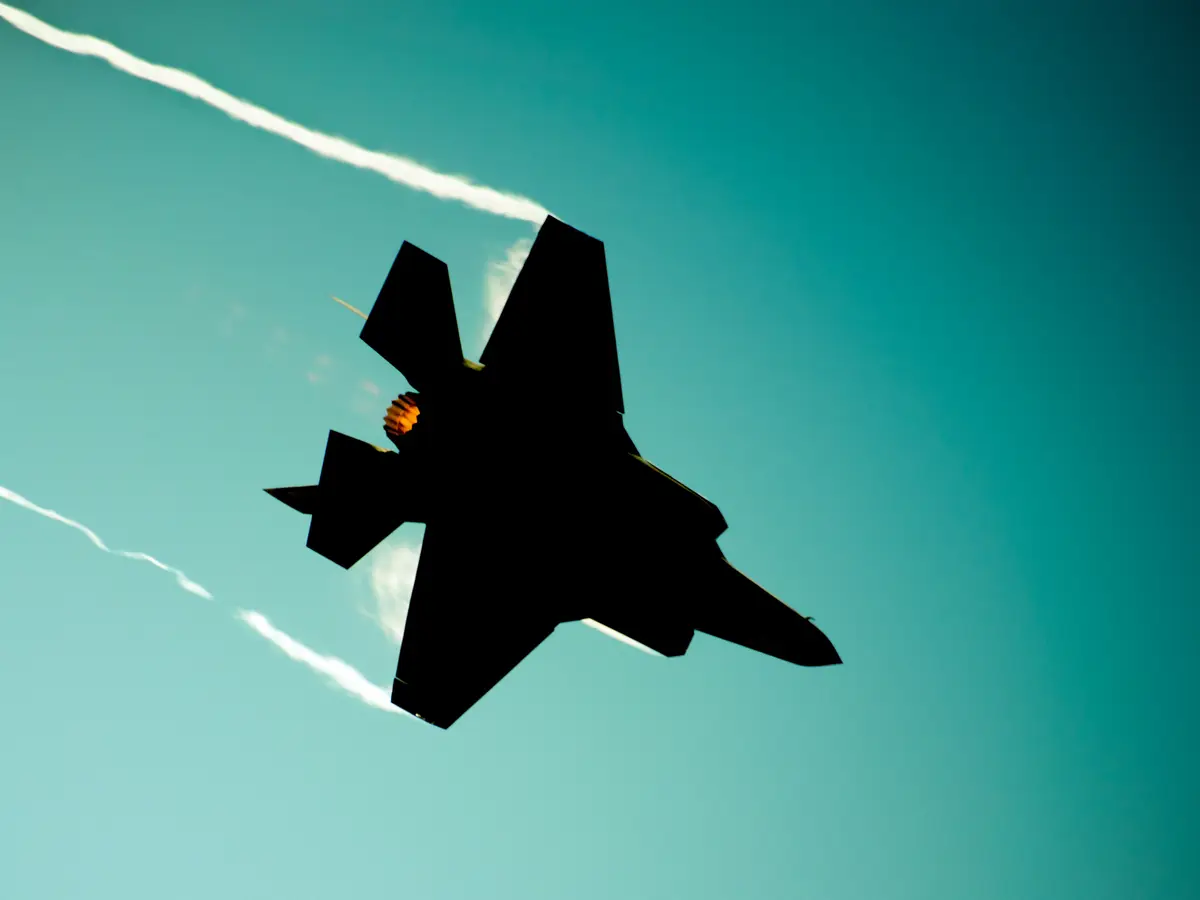
For a long time, fighter planes have usually had a pilot inside them.
New technology is making it possible for some aircraft to fly and complete parts of missions without a pilot.
India is working on these kinds of unmanned aircraft.
Suhas Tejaskanda says future aircraft could work together like a team.
They could communicate, share information, and coordinate their movements.
His idea is called the “Mobbing Doctrine.”
It could use many cheaper aircraft against a smaller number of expensive manned fighters.
The article says this might change how air battles are fought and paid for.

India is pursuing unmanned and autonomous combat aircraft programs as air warfare evolves.
Flying Wedge Defence and Aerospace founder Suhas Tejaskanda described the company’s networked battlefield vision.
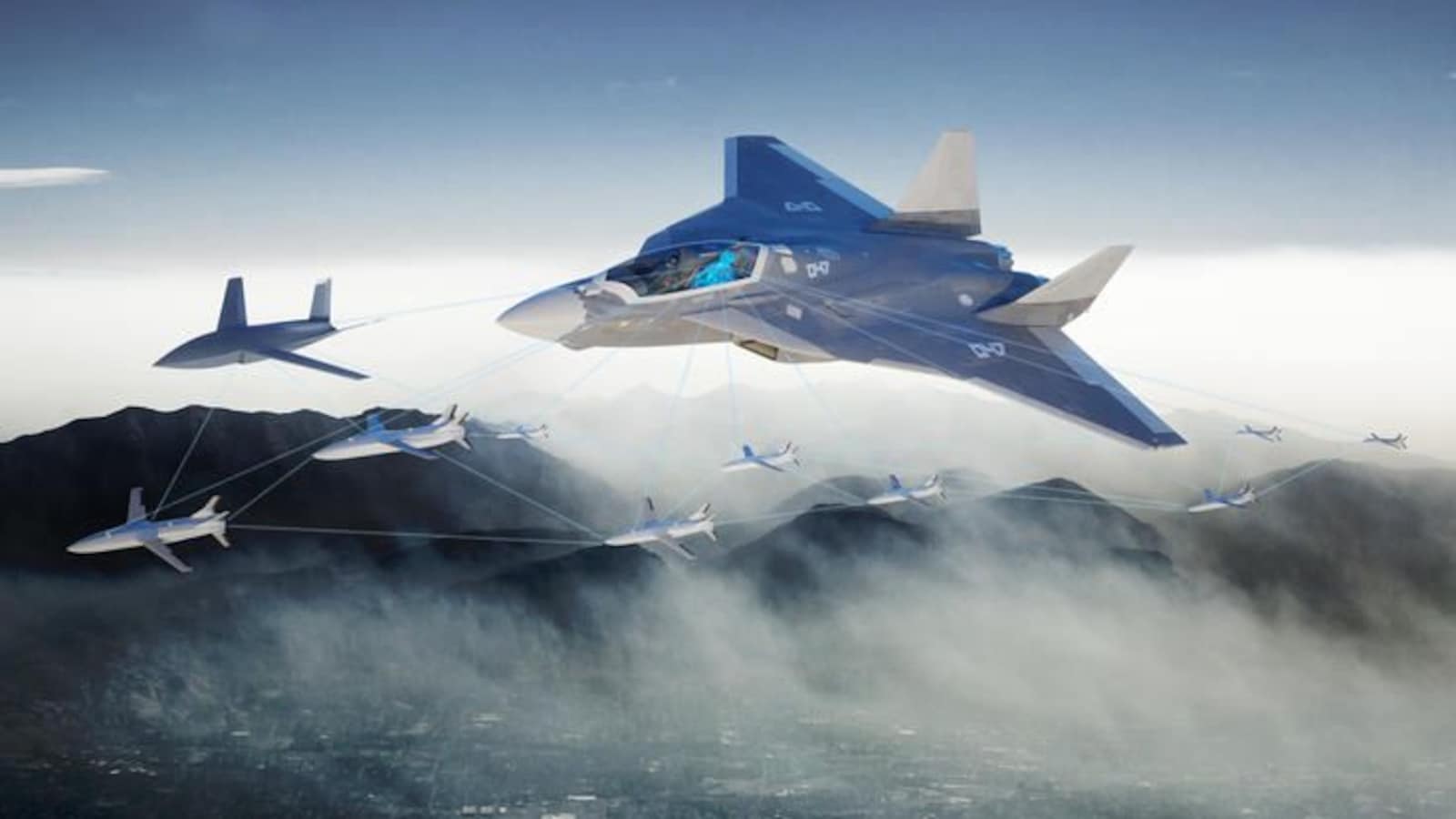
The proposed “Mobbing Doctrine” would link autonomous aircraft so they can share information and coordinate actions.
The concept imagines around 50 lower-cost autonomous aircraft attacking or cornering one manned fighter.
The approach could change air-combat tactics and the economics of warfare, alongside similar United States efforts.
- Who
- India, Flying Wedge Defence and Aerospace, and its founder and CEO Suhas Tejaskanda are central to the discussion; the United States is also developing related aircraft.
- What
- A proposed “Mobbing Doctrine” would use connected autonomous combat aircraft in large numbers against manned fighters.
- Where
- The concept was discussed on WION’s Defence Pulse; the programs referenced involve India and the United States.
- When
- The article describes this as a future development; no specific date is given.
- Why
- To create numerical and tactical advantages using relatively lower-cost autonomous aircraft against smaller numbers of expensive manned fighters.
Key facts
- Concept
- The “Mobbing Doctrine” envisions large numbers of autonomous aircraft coordinating against manned fighters.
- Aircraft autonomy
- Autonomous systems can potentially fly, navigate, and execute parts of missions without a pilot in the cockpit.
- Proposed scale
- Tejaskanda gave the example of 50 autonomous aircraft attacking or cornering one manned fighter.
- Coordination
- The aircraft would communicate directly, share information, and coordinate their actions.
- Indian company
- Flying Wedge Defence and Aerospace is pursuing interconnected unmanned-system operations, according to its founder and CEO.
- International context
- The United States is developing Collaborative Combat Aircraft intended to operate alongside crewed fighters.
Quotes
Suhas Tejaskanda
Founder and CEO of Flying Wedge Defence and Aerospace
“These are never meant to be working in silos. This definitely would be connected over a period of time.”
 wionews.com
“Imagine 50 of them attacking a manned fighter or cornering a manned fighter.”
wionews.com
Sources
Related news
India’s Sixth-Generation Fighter Ambitions Face Funding and Technology Risks
Why Global Fighter Jets Are Training in India
Drones and Training Are Reimagining India’s Modern Infantryman

Ex-Air Force Vice Chief Questions Tejas Mk-2 Frontline Future

Drogo Aerospace, Munitions India Join on Indigenous UAV Systems
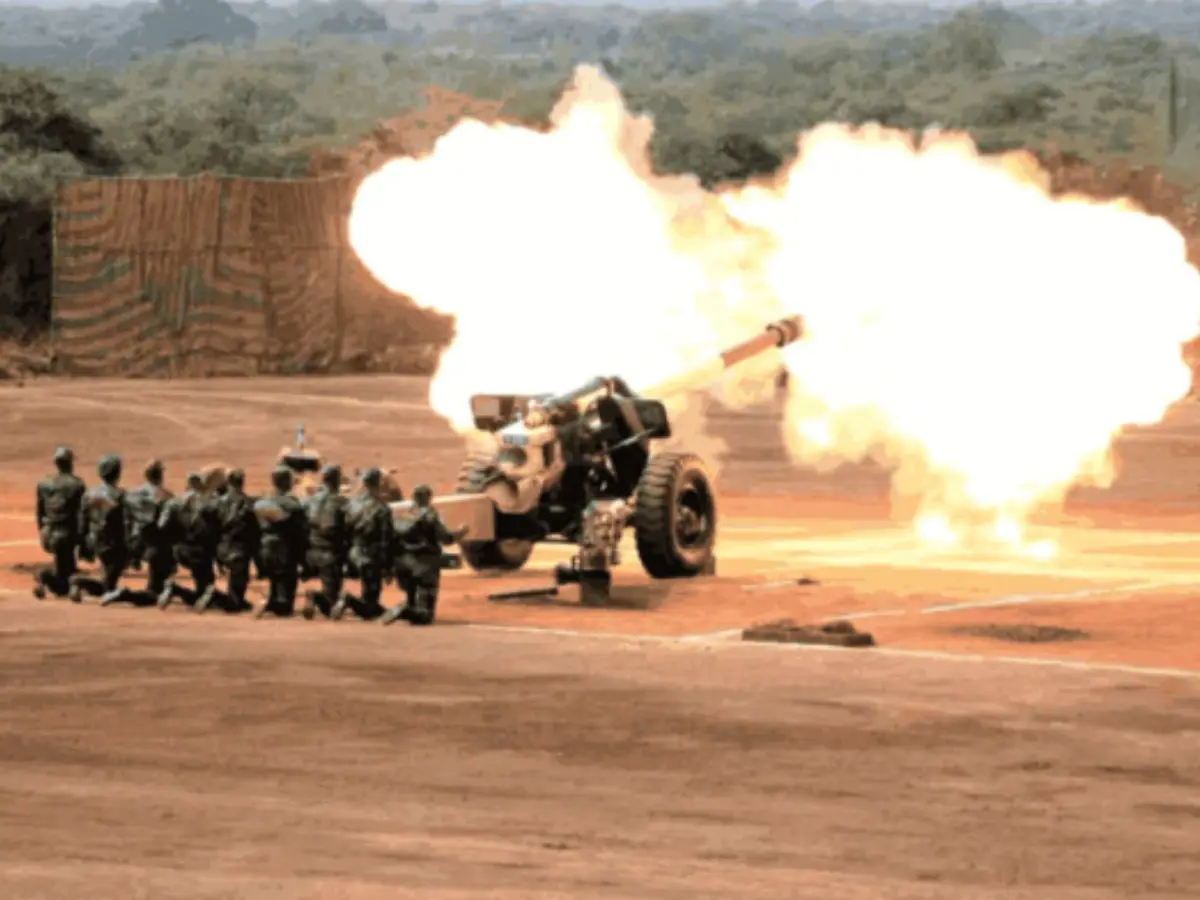
How India Is Making Conventional Weapons Smarter and More Precise

U.S. Discloses On-Orbit Weapons as Space Warfare Expands
Directors Reveal How Declassified: Operation Sindoor Came Together