2 weeks ago
India urged to review trade strategy amid US tariff turmoil
The United States and India trade lots of things with each other.
The US president, Donald Trump, has been putting extra taxes, called tariffs, on goods from other countries.
A new White House report says some countries secretly send goods through other countries to avoid these taxes.
The report names India as one of the countries connected to this practice.
The US has already put a 10% tax on things India sends to America.
Trump also said medicines called generic drugs will get a very big tax starting in 2028.
The US Senate wants to tax countries that buy oil from Russia, and India is one of those countries.
These changes make it hard for India to know what taxes it will face.
India and the US were trying to make a trade deal to make things fairer.
Some people in India think the country should stop negotiating and fight back with its own taxes.
Others think India should keep talking to the US to find a solution.

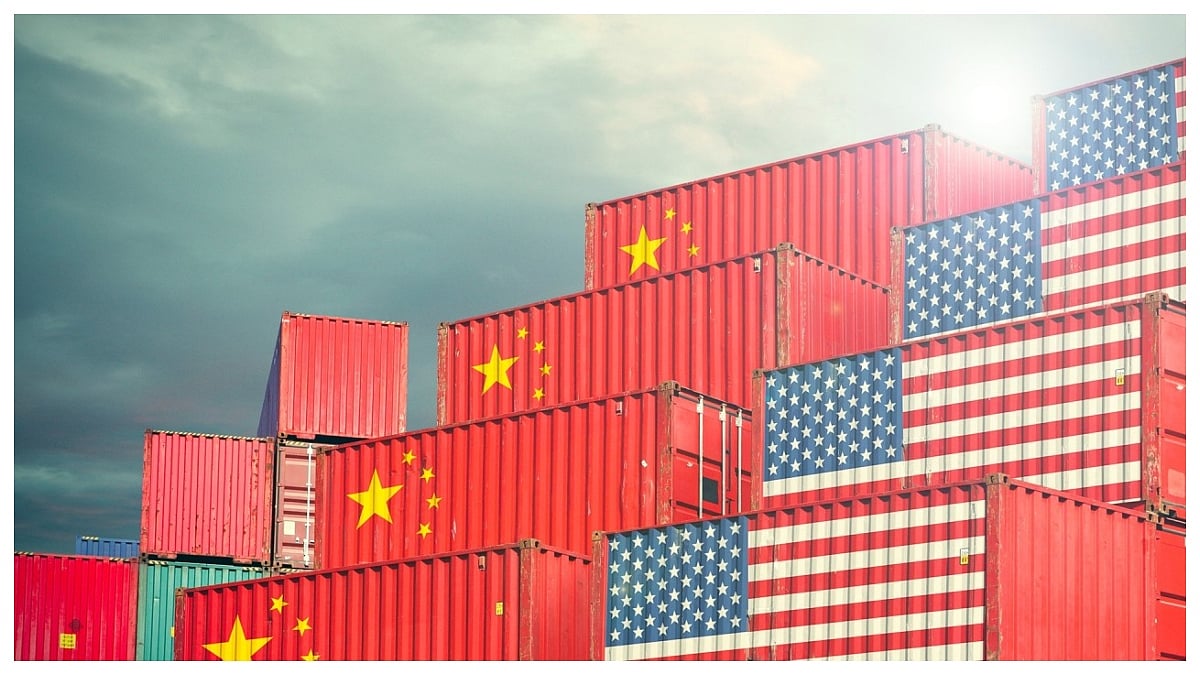
A White House report titled 'The Great Transshipment Scam' flags illegal transshipment and identifies India among countries with large volumes of China-linked goods.
The US imposed a 10% tariff on India's exports on July 24 under a Section 301 investigation related to forced labour concerns.
President Trump announced generic drugs imported into the US will face a 100% tariff from August 2028, rising to 200% a year later.
The US Senate approved a bill authorising tariffs of up to 100% on imports from countries, including India, that buy large volumes of Russian crude oil or natural gas.
The article argues India should review its bilateral trade strategy with the US and consider retaliatory tariffs, as predictability in the US trade regime is a mirage.
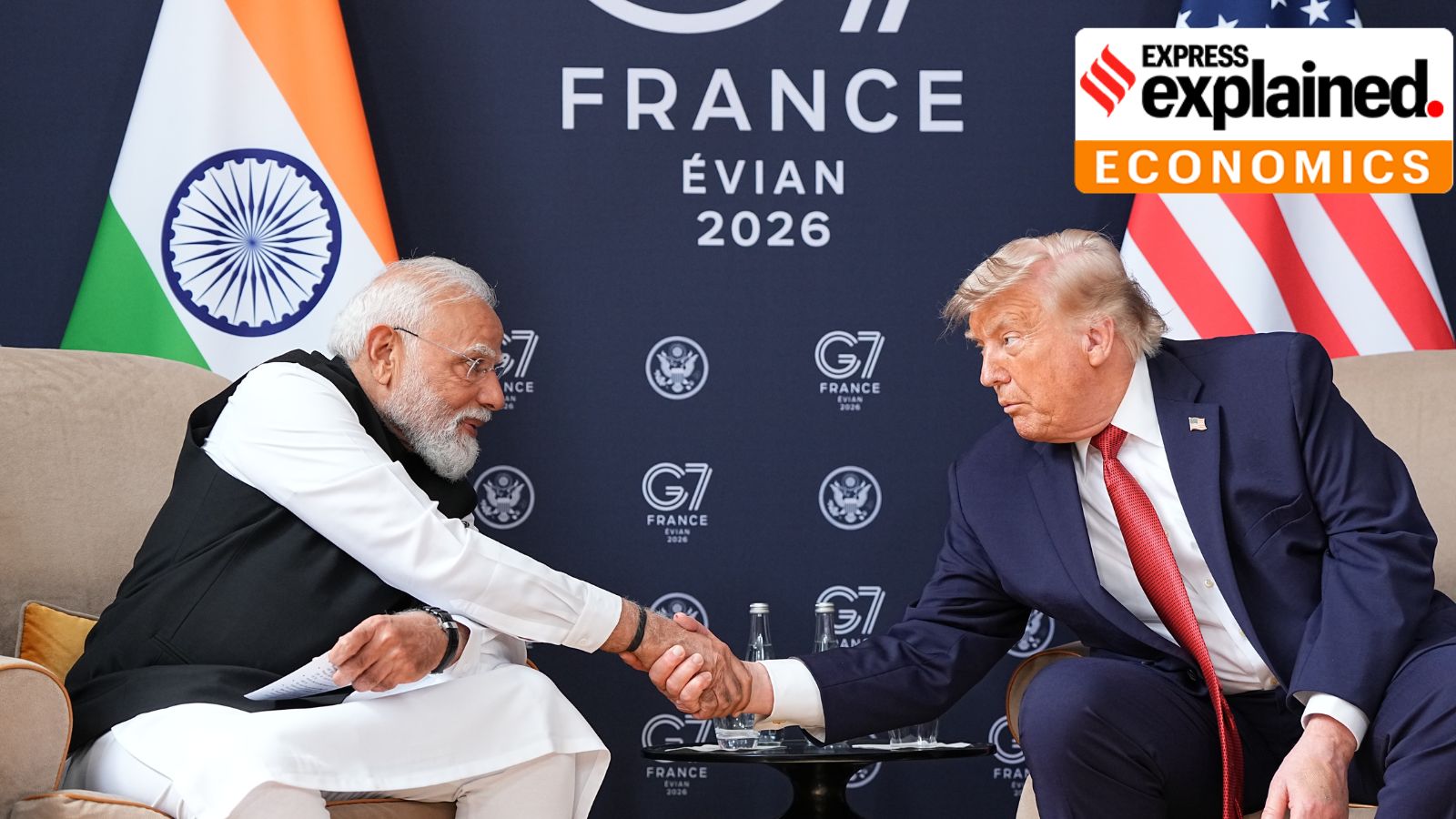
India remains publicly committed to the interim trade deal framework finalised in February, but only if it secures a tariff advantage over competitors.
- Who
- US President Donald Trump, the White House, the US Senate, and India's government and commerce officials.
- What
- A White House report on illegal transshipment and a series of US tariff actions are creating uncertainty for India's exports and bilateral trade negotiations.
- Where
- United States and India.
- When
- The report was released recently; the 10% Section 301 tariff took effect on July 24; the generic drug tariff starts August 2028; the interim trade deal framework was finalised in February.
- Why
- The US says the measures address illegal transshipment and forced labour concerns, while critics argue they are used to extract concessions and are illegal under WTO rules.
Critics of US trade actions
US administration
Legality of US tariffs
Critics of US trade actions
Section 301 tariffs and the Russian oil penalty are illegal under WTO rules and are being leveraged to extract concessions from trading partners.
US administration
The measures are needed to combat illegal transshipment, tariff evasion, forced labour imports, and purchases of Russian energy.
Bilateral trade negotiations
Critics of US trade actions
India should review its bilateral trade strategy, consider retaliatory tariffs, and stop negotiating as the US keeps raising the odds against it.
US administration
India remains committed to the interim trade deal framework finalised in February, conditional on securing a tariff advantage over competitors.
Key facts
- Report
- White House report 'The Great Transshipment Scam'
- Countries flagged
- More than 40 countries associated with elevated illegal transshipment risk
- India's status
- Identified as accounting for large absolute volumes of China-linked goods with major US-bound export platforms
- Section 301 tariff
- 10% on India's exports imposed July 24 over forced labour concerns
- Generic drug tariff
- 100% from August 2028, rising to 200% a year later
- Senate bill
- Authorises tariffs up to 100% on countries, including India, buying large volumes of Russian crude oil or natural gas
- Interim trade deal
- Framework finalised in February; India committed but conditional on securing a tariff advantage
- India's policy changes since February 2025
- Lowered customs duties on motorcycles, bourbon, some pharmaceuticals and Ethernet switches; eased ICT import restrictions; eliminated equalisation levy
Sources
Related news
US flags India in Chinese goods transshipment report
White House Report Names India in China Shadow Transhipment Network

US Report Accuses India of Transshipping Chinese Goods
US Accuses India, 40+ Nations in China Tariff Evasion Network

US Names India in $67 Billion Transshipment Scam Report
White House Puts India in Top China Transshipment Risk Tier

Ukraine lobbies House for Russia sanctions bill amid opposition
Trump-Aligned Companies Prepare for Possible Democratic House Takeover
Blumenthal Hopes Russian Sanctions ‘Sledgehammer’ Passes House Next Month
Trump Praises India’s Voter ID System Amid Roll Revision Row