

1 month ago
High-Protein Diet May Cause Constipation and Bloating
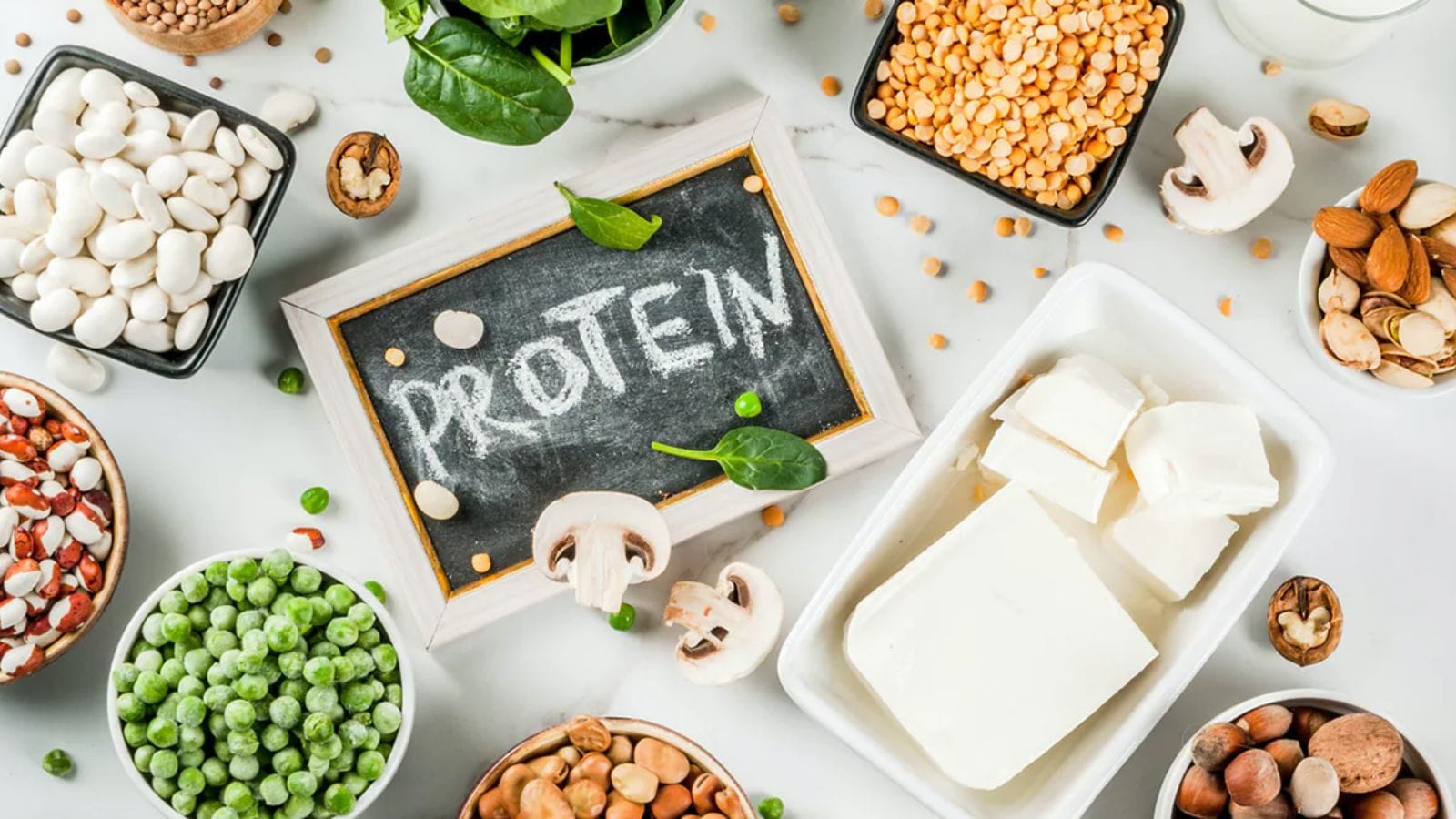
Protein is very important for our bodies, helping with muscle repair, bone health, and keeping us full.
Many people eat more protein to lose weight or build muscle.
However, eating too much protein without enough fibre and water can cause constipation and bloating.
Foods like meat, eggs, and cheese have lots of protein but little fibre, which helps with digestion.
Drinking enough water is also important because protein needs water to be processed.
Some people use protein shakes or supplements, which might cause stomach problems if they don't have enough fibre.
To avoid constipation, it's important to eat fibre-rich foods like fruits, vegetables, and whole grains, drink plenty of water, and stay active.
Too much protein can also cause other problems like bad breath, weight gain, and kidney strain.
Balancing protein with other nutrients is key to staying healthy.

High-protein diets can cause constipation if not balanced with fibre and water.
Animal-based protein sources like meat, poultry, eggs, and cheese are low in fibre.
Dehydration from insufficient water intake can worsen constipation.
Protein shakes and supplements may cause digestive discomfort if low in fibre.
Prevent constipation by eating fibre-rich foods, drinking 2-3 litres of water daily, and staying active.
- Who
- People on high-protein diets, especially those not balancing with fibre and water intake
- What
- Constipation and bloating due to high-protein diets
- Where
- Globally, affecting individuals following high-protein diets
- When
- When protein intake increases without adequate fibre and water
- Why
- Due to low fibre intake, dehydration, and reliance on protein supplements
High-Protein Diet Advocates
Health Experts
Necessity of Protein
High-Protein Diet Advocates
Protein is essential for muscle building and overall health, and high-protein diets are beneficial for weight loss and muscle gain.
Health Experts
While protein is important, excessive intake without a balanced diet can lead to health issues like constipation and dehydration.
Dietary Balance
High-Protein Diet Advocates
High-protein diets can be balanced with adequate hydration and fibre intake to prevent digestive issues.
Health Experts
Many people on high-protein diets do not consume enough fibre and water, leading to constipation and other digestive problems.
Key facts
- Recommended Dietary Allowance (RDA) for Protein
- 0.8 grams per kilogram of body weight per day for healthy adults
- Common High-Protein Foods
- Meat, poultry, eggs, cheese, protein shakes, supplements
- Fibre-Rich Foods
- Fruits, vegetables, oats, brown rice, whole wheat, beans, lentils, seeds
- Daily Water Intake Recommendation
- 2-3 litres for adults, more if physically active
- Groups More Likely to Experience Constipation
- People eating large amounts of meat, following low-carb diets, not drinking enough water, having a sedentary lifestyle, relying on protein supplements
Sources
Related news

Rishabh Pant Becomes Test Cricket’s Third-Highest Six-Hitter Overall

iPhone 18 Pro Max Leaks vs Secrets From Tata Cyberattack

Argentine Father-Son Duo Admits FIFA Bribery, Agrees to Pay $50 Million

Rishabh Pant Reaches 100 Test Sixes in Record Time

Jefferies Favors HAL, BEL and Data Patterns Over BHEL

Seven Class 10 students expelled for ragging juniors

Government Pushes More Outcome-Based Research in Textile Sector
National Technical Textiles Mission Opens Microscope Facility at Vignan University
