3 weeks ago
iPhone 18 Pro Max Leaks vs Secrets From Tata Cyberattack
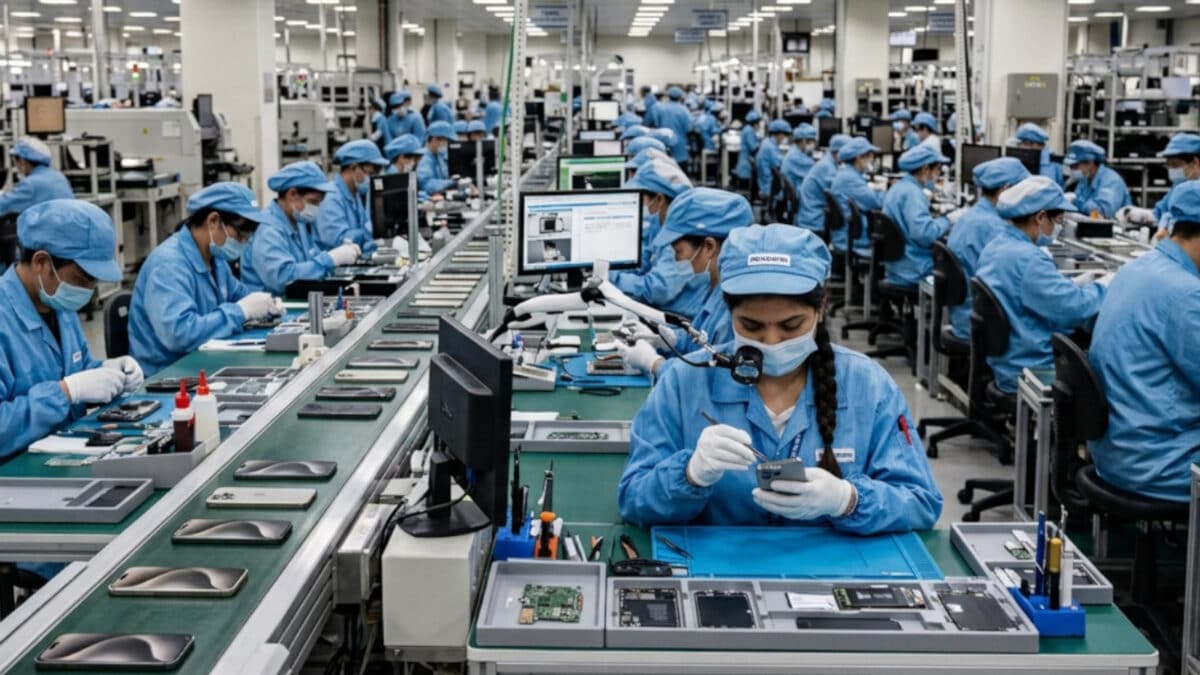
Apple is getting ready to show off a new phone called the iPhone 18 Pro Max in September.
This year, a lot of the phone's secrets were stolen by hackers from a factory in India called Tata Electronics.
The thieves took more than 630GB of secret documents.
That is why many rumours about the new iPhone come from stolen papers instead of from Apple.
The stolen papers show the phone may have a bigger battery and better cooling.
It might also have a new Apple-made internet chip in India and other countries, while the American version uses a chip from Qualcomm.
Some people say the phone will be very heavy, the heaviest iPhone ever made.
Other rumours disagree, because the stolen documents describe lots of different versions of the phone.
Nobody knows for sure which rumours are true.
Apple will show the real phone on September 9, and then we will all know.

AppleInsider revealed in June that iPhone 18 Pro schematics and internal documents were among more than 630GB of files stolen from Tata Electronics in a cyberattack.
Leaked documents suggest a region-based modem split: US models would use Qualcomm for mmWave, while India and other markets get Apple's own C2 or C2X modem.
Tata schematics reportedly show a significantly larger vapour chamber on the Pro Max motherboard, with the A20 Pro chip making direct contact for cooling.
Chinese regulatory filings point to a 5,567mAh eSIM battery, up about 9.4 percent, and some leakers say the phone could be the heaviest iPhone ever at over 240g.
Expected timeline includes a keynote on September 9, pre-orders on September 11–12 and release on September 18, with possible production delays and price increases.
- Who
- Apple, its Indian assembler Tata Electronics, chipmakers Qualcomm and TSMC, and analysts Ming-Chi Kuo and Mark Gurman
- What
- Rumoured specifications for the iPhone 18 Pro Max, much of it drawn from 630GB of documents stolen from Tata Electronics in a cyberattack
- Where
- Tata Electronics' iPhone assembly operations in India; upcoming sales in the US, India and other markets
- When
- Cyberattack revealed in June 2026; article published August 12, 2026; launch expected September 9, 2026
- Why
- A cyberattack on Tata Electronics exposed prototype schematics, while Apple prepares its next flagship launch amid a memory pricing crisis
Leaks Reflect Real Prototypes
Prototypes Are Not Final Specs
Dynamic Island shrink
Leaks Reflect Real Prototypes
A Weibo leaker says the Dynamic Island shrinks by 35 percent, from 20.76mm to 13.49mm, as Face ID's flood illuminator moves beneath the display.
Prototypes Are Not Final Specs
The Elec reports the under-display Face ID move has hit production problems, so the cutout may not shrink at all this year.
C2 modem mmWave support
Leaks Reflect Real Prototypes
Some reports claim Apple's C2 modem supports mmWave 5G connectivity.
Prototypes Are Not Final Specs
AppleInsider's analysis suggests the US variant needs Qualcomm because the C2 does not support mmWave, meaning one of the two reports is wrong.
US pricing
Leaks Reflect Real Prototypes
Ming-Chi Kuo forecasts unchanged pricing at $1,199 for the 256GB model.
Prototypes Are Not Final Specs
Mark Gurman and analyst consensus forecast rises of $100–$300, taking prices to $1,299–$1,499.
Key facts
- Stolen files
- 630GB of documents and schematics
- Cyberattack victim
- Tata Electronics, assembler of iPhones in India
- Chip (rumoured)
- A20 Pro on TSMC's 2nm process with Gate-All-Around transistors
- Battery (rumoured)
- 5,567mAh for eSIM model, up ~9.4% from the iPhone 17 Pro Max
- Modem plan (rumoured)
- Apple C2/C2X outside the US; Qualcomm with mmWave in the US
- Expected keynote
- September 9, 2026; invitations around August 26
- Weight (claim)
- Possibly above 240g, heaviest iPhone ever
- US price forecasts (256GB)
- $1,199 (Kuo) to $1,499 (analyst consensus)
Quotes
AppleInsider analysis
Technology journalist reporting on leaked Apple documents
“"If it holds, Indian buyers get Apple’s in-house silicon while American buyers get the third‑party chip Apple has spent a decade trying to replace."”
 news18.com
Sources
Related news

iPhone 18 Pro India Launch: Expected Price and Upgrades

iPhone 18 Pro Max launch details, specs, and pricing revealed

iPhone 18 Pro Models Reportedly Gain Cameras, Batteries, Smaller Notch

iPhone 18 Pro Series Set for September 9 Amid Rumors
iPhone 18 Pro Max: 14 Rumored Changes Compared to Predecessor
iPhone 18 Pro launch tipped next month; India price may rise

iPhone 18 Pro Colour Leaks Split Between Cherry and Silver
John Ternus to Lead Apple’s September 9 iPhone Launch

Apple Sets September 9 Event for iPhone 18 Lineup

Apple’s Foldable iPhone May Debut Alongside iPhone 18 Pro

Apple iPhone Ultra Rumors Point Toward First Foldable