2 weeks ago
Indian cinema's Partition story, from Garm Hava to Gadar
In 1947, the big country of India was split into two countries, India and Pakistan.
This big event is called Partition.
Many people had to leave their homes and move to a new place, and it made many families very sad.
Filmmakers have made many movies about Partition to help people remember what happened.
ThePrint wrote an article about some of those movies.
One very old movie, Chinnamul, is about farmers who had to leave their village and go to Calcutta.
Another movie, Garm Hava, is about a family in Agra who stayed in India while their relatives moved to Pakistan.
An exciting movie called Gadar is about a Sikh truck driver who crosses the border to bring back the woman he loves.
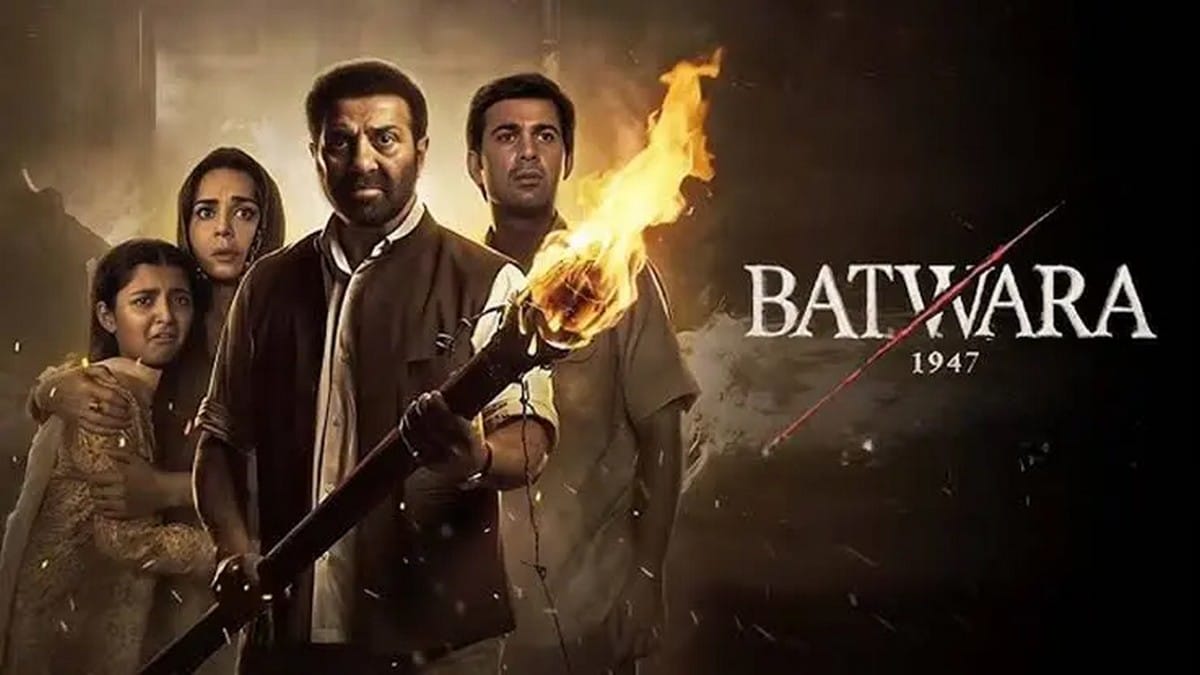
A brand-new movie called Batwara 1947, starring Sunny Deol, came out this week.
These movies help us understand how Partition changed people's lives.

On Partition's anniversary, ThePrint surveys Indian films that told the story of 1947, from Nemai Ghosh's Chinnamul (1950) to Rajkumar Santoshi's Batwara 1947.
Sunny Deol-starring Batwara 1947, co-starring Shabana Azmi as an elderly Hindu haveli owner, hit theatres this Friday.
Ritwik Ghatak's Partition trilogy — Meghe Dhaka Tara (1960), Komal Gandhar (1961) and Subarnarekha (1965) — follows East Pakistan refugees rebuilding their lives around Calcutta.
M.S. Sathyu's Garm Hava (1973), starring Balraj Sahni, depicts Muslims who stayed in India and was India's entry for the Academy Award for Best Foreign Language Film.
Anil Sharma's Gadar: Ek Prem Katha (2001), loosely inspired by Sikh soldier Boota Singh, became one of the highest-grossing Hindi films of its time and cemented Deol's angry-patriot image.
- Who
- Indian filmmakers such as Nemai Ghosh, Ritwik Ghatak, M.S. Sathyu, Deepa Mehta and Anil Sharma, and actors including Sunny Deol, Balraj Sahni and Naseeruddin Shah.
- What
- A ThePrint retrospective of Indian films, from Chinnamul (1950) to Batwara 1947, that told the story of the 1947 Partition, covering displacement, communal violence, fractured families and patriotism.
- Where
- India; the films are set across places including Calcutta, Agra, Lahore, Lucknow and Punjab.
- When
- Around the anniversary of Partition — Batwara 1947 hit theatres this Friday.
- Why
- Nearly eight decades after the subcontinent was torn apart on 14 August 1947, Indian cinema keeps returning to the scars — displacement, communal hatred and lost homes — Partition left behind.
Humanist, art-house portrayals
Blockbuster nationalist cinema
How Partition should be depicted
Humanist, art-house portrayals
Films like Garm Hava and Earth show the futility of communal hatred, refugee displacement and the human cost of Partition from a measured, interior perspective.
Blockbuster nationalist cinema
Gadar gave Partition the full-blown Bollywood blockbuster treatment, with an angry, macho nationalism and a hero taking on Pakistan through roaring speeches.
Tone of the latest Sunny Deol film
Humanist, art-house portrayals
Batwara 1947 is far less chest-thumping than Gadar, and it isn't quite clearly explained what its hero is so angry about.
Blockbuster nationalist cinema
Sunny Deol's angry-patriot image, cemented by Gadar's blockbuster success, remains the audience-pleasing formula the new film is expected to carry forward.
Key facts
- Article source
- ThePrint, New Delhi — '10 Indian films that told Partition's story, Garm Hava to Gadar'
- Event covered
- Partition of India, 14 August 1947
- Latest release
- Batwara 1947, directed by Rajkumar Santoshi, starring Sunny Deol and Shabana Azmi
- Earliest film covered
- Chinnamul (1950), directed by Nemai Ghosh
- Ritwik Ghatak's trilogy
- Meghe Dhaka Tara (1960), Komal Gandhar (1961), Subarnarekha (1965)
- Award-winning films
- Garm Hava won two National Film Awards and was India's Academy Award entry; Dharmputra won a National Film Award
- Tamas telecast
- Six-part Doordarshan series (1988); protests reached the Supreme Court, which allowed the telecast to continue
- Gadar box office
- One of the highest-grossing Hindi films of its time (2001)
Quotes
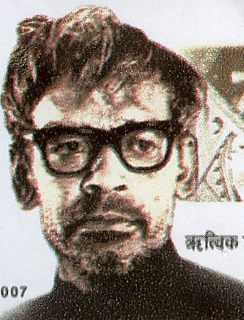
Ritwik Ghatak
Indian filmmaker and director of the Partition trilogy
““Dada, ami bachte chai” — Elder brother, I want to live.”
 theprint.in
Sources
Related news
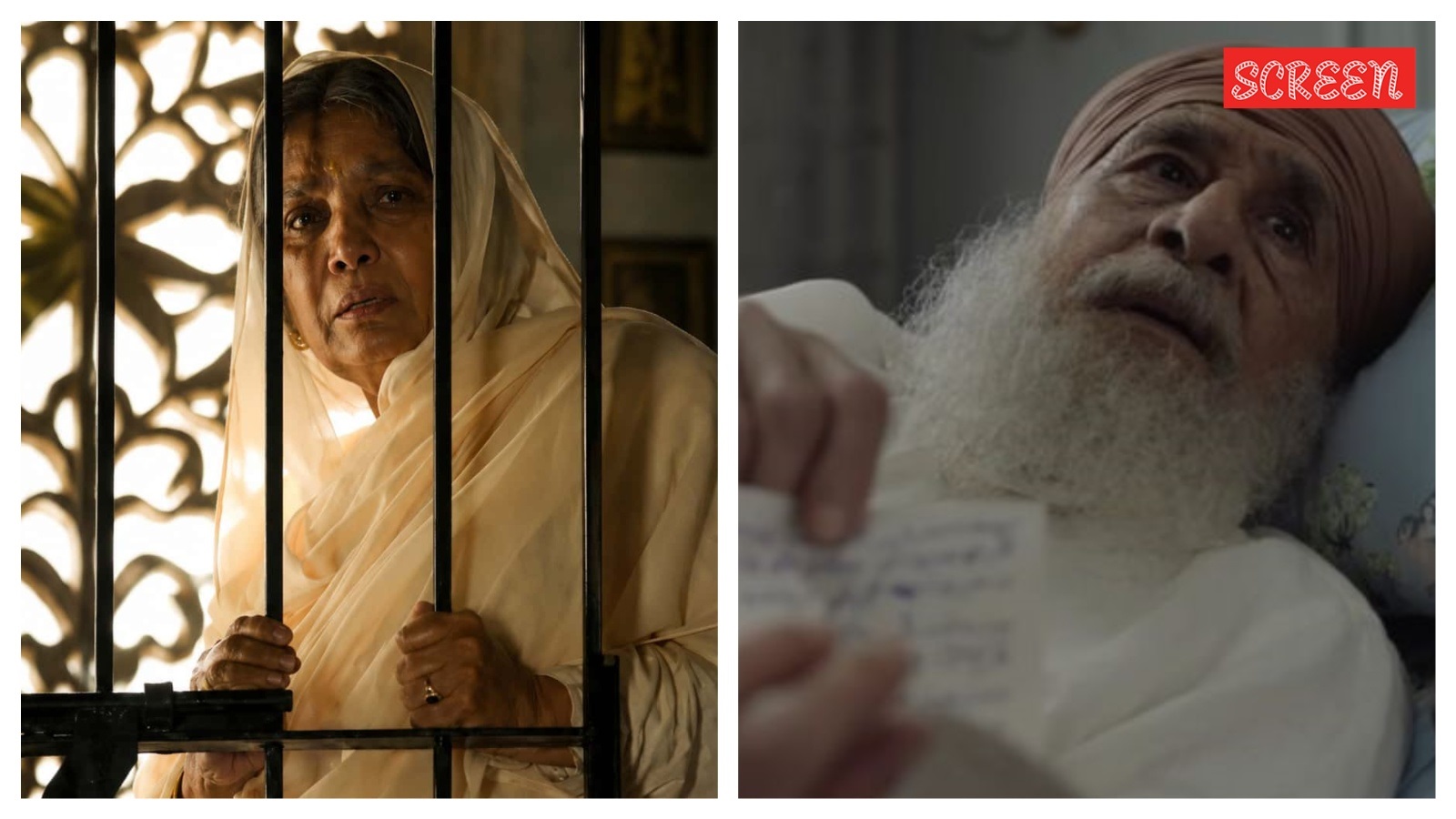
Films revisit Partition, remind India who she used to be
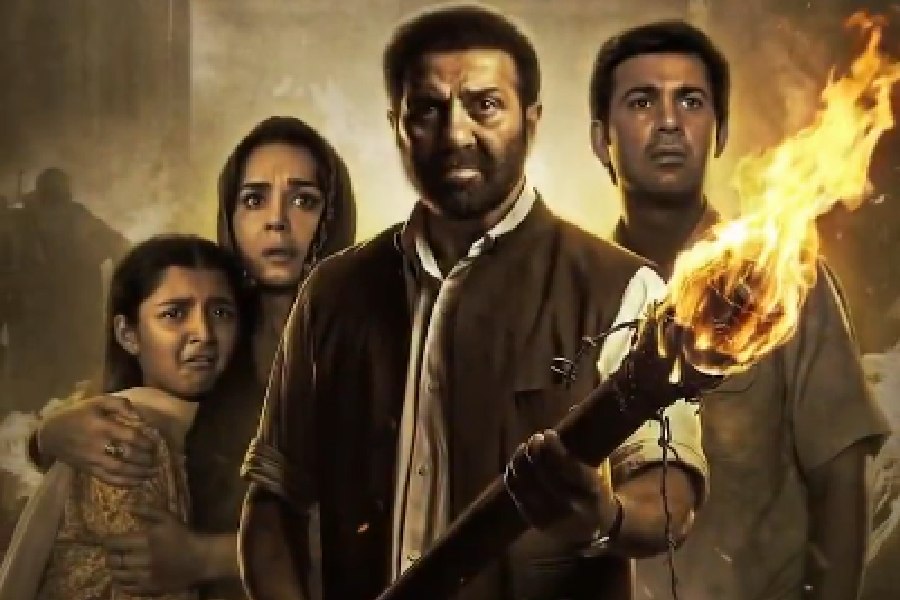
Batwara 1947 Review: Sunny Deol, Shabana Azmi Lead Partition Drama
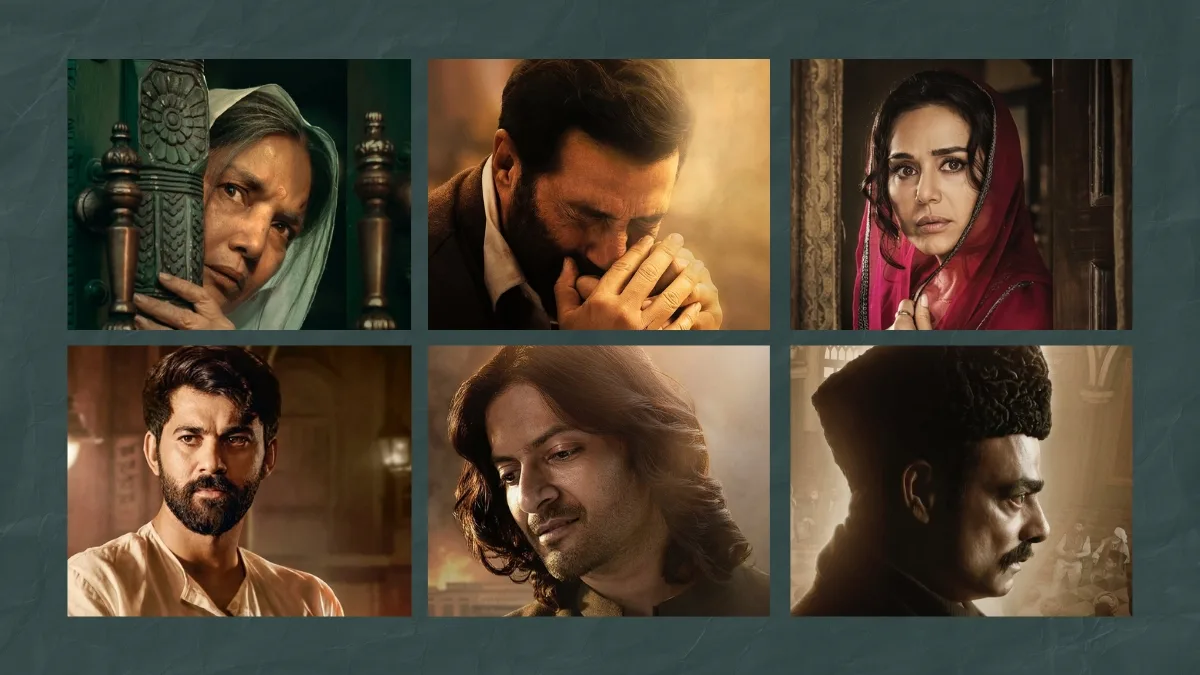
Batwara 1947 Review: Sunny Deol Powers A Partition Drama
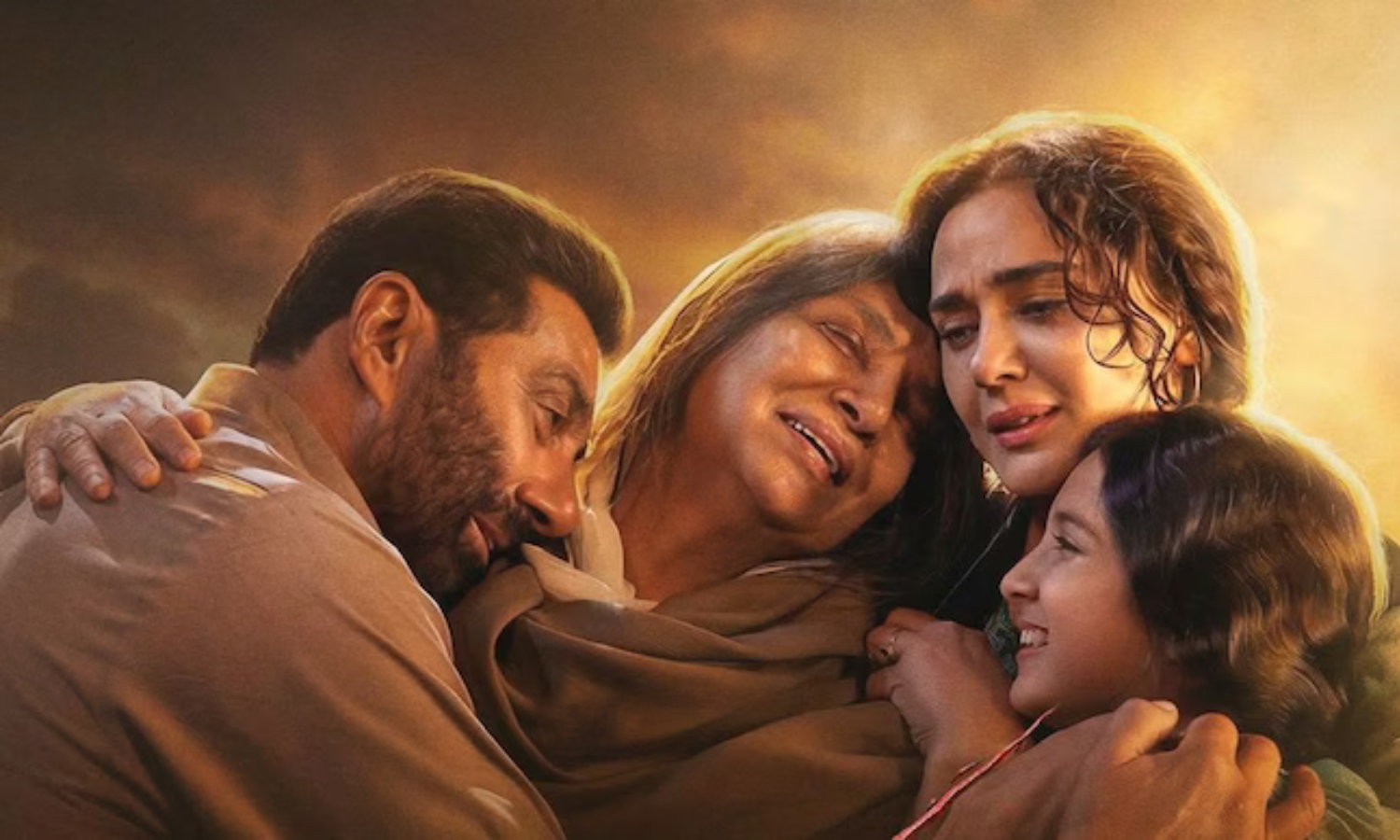
Batwara 1947 Review: Humanity Above Religion in a Partition Story
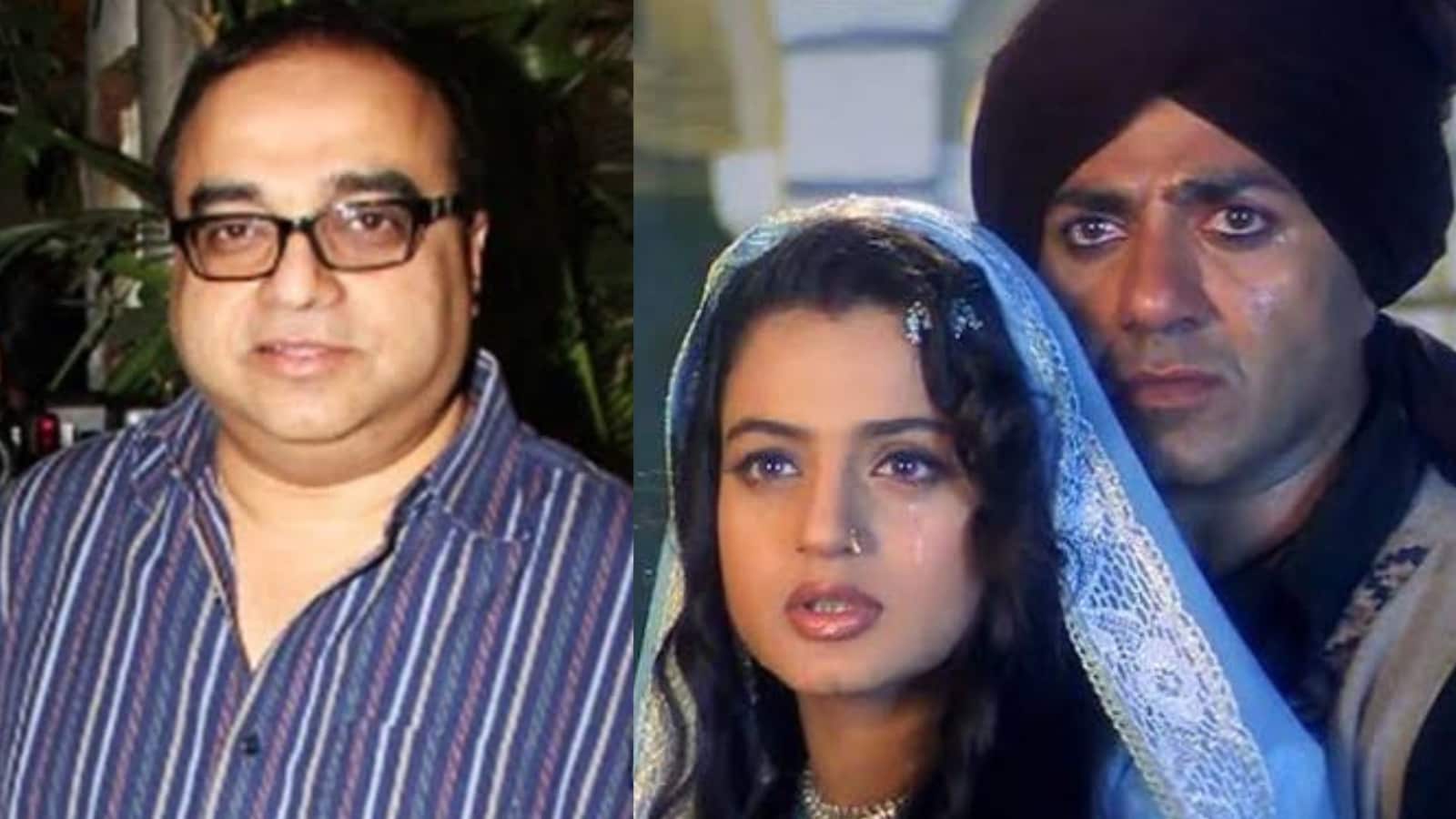
Batwara 1947 Is a Human Drama, Not Propaganda, Says Santoshi

Batwara 1947 review: Partition film too safe and staid

Sharma and Malik share halfway lead at Telangana Golconda Masters
India Replaces Sri Lanka as 2027 Women’s Champions Trophy Host
Centre Assures JDU Bihar’s Interests In Farakka Treaty Decision

India’s Record Wheat Harvest Opens $1.5 Billion Export Window

West Bengal CM Crushes Nearly 2 Lakh Seized Syrup Bottles