2 hrs ago
Sri Lanka Drought Dries Wells, Shrinks Farmer Incomes

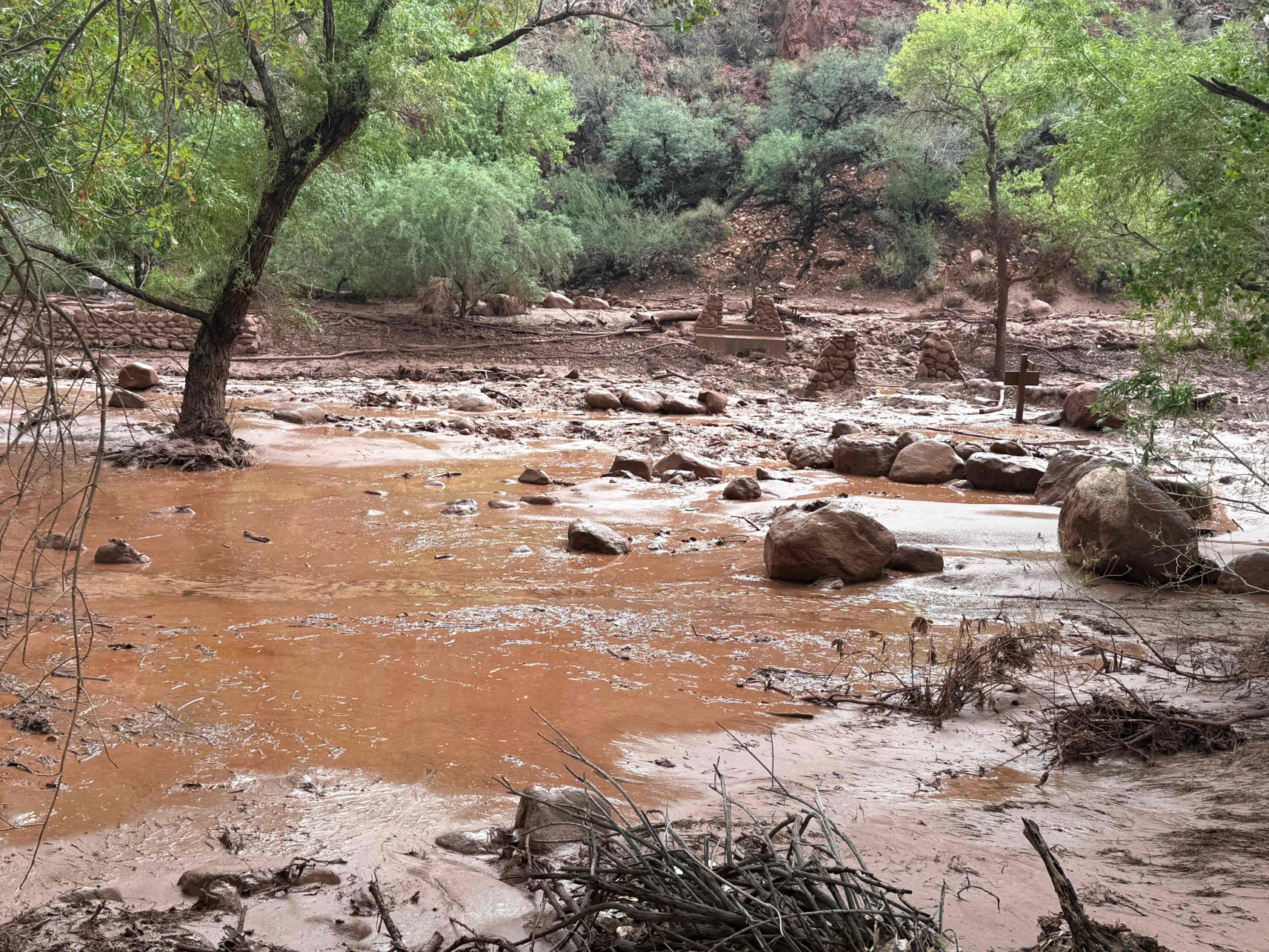
Sri Lanka is facing a very serious drought.
The drought is linked to El Niño, a weather pattern that can make parts of Asia drier.
Many wells, rivers, lakes and small reservoirs are running low or dry.
Some families do not have enough water for drinking, washing or cooking.
The government is sending water trucks to many communities.
People in remote places may wait as long as 23 days for a delivery.
Farmers are also losing crops and income because there is not enough water.
One farmer, Pathmasena, lost his cowpea harvest and took a laboring job.
Some families say they sometimes have to skip meals.

Rainfall in some Sri Lankan farming districts is 85% to 100% below long-term averages.
Drying wells, rivers, lakes and small tanks are leaving communities short of drinking and household water.
The government is delivering water to tens of thousands, with some remote residents waiting up to 23 days.
Farmers are losing crops and income, making loan repayments and regular meals difficult.
A.M. Pathmasena lost his cowpea income and now works as a daily-wage laborer to survive.
- Who
- Sri Lankan residents and farmers, including A.M. Pathmasena, are affected; the Sri Lankan government is supplying water.
- What
- A severe drought has depleted water sources and reduced farming incomes.
- Where
- Affected areas include northern, eastern and southern Sri Lanka, particularly Ampara and Monaragala.
- When
- The crisis is occurring this year; the report was published September 3.
- Why
- The drought is associated with El Niño and unusually hot, dry conditions, with rainfall deficits reaching 85% to 100% below long-term averages in some farming districts.
Key facts
- Rainfall deficit
- Some key farming districts recorded rainfall 85% to 100% below long-term averages.
- Water-tank levels
- Water levels in hundreds of Sri Lankan tanks fell to about 10%.
- Water deliveries
- Many accessible homes receive trucked drinking water every three to five days.
- Remote-area waits
- Some residents in remote areas wait as long as 23 days for water.
- Pathmasena's former income
- He previously earned about 20,000 Sri Lankan rupees, or approximately $60, per month growing cowpeas.
- Livestock impact
- Pathmasena has struggled to provide water for his family and two cows.
- Government response
- The government arranged water deliveries for tens of thousands of people.
Quotes
Konara Mudiyanselage Sumanawathie
A 49-year-old resident of drought-affected Monaragala district.
“We supplement the water deliveries by gathering the last bit of the water in our well for washing and bathing but even then we sometimes run out.”
 theprint.in
“The drought has been intensifying. The amount of water seeping into the well is barely enough.”
theprint.in
Sources
Related news
El Nino Raises Drought Risk in Andhra Pradesh, Minister Warns

Naidu Warns of Severe El Nino Drought, Urges Water Conservation
El Niño Leaves Andhra Pradesh With 45 Percent Rainfall Deficit
India’s Monsoon Faces 15% Deficit as El Niño Strengthens
Naidu Orders Advance Plans to Tackle Water Shortage

Anantapur Prioritises Drinking Water as Super El Niño Deepens Shortages
Super El Niño May Bring India Drier, More Dangerous Monsoons
Dry Spell Threatens Cotton Yields Across Karimnagar District

Indonesian Fires Trigger Regional Haze Alerts, School Closures