

1 week ago
Student Protests Expose India’s Deep Rural Education Crisis

Students in India are protesting because many schools, especially in villages, do not work well or are difficult to reach.
They first protested about problems with examinations.
Now they are asking the government to improve education from primary school through higher secondary school.
A survey said that many government schools have closed.
Many students also leave school before finishing higher secondary education.
School can become expensive because families must pay for books, uniforms, travel and fees.
Some teenagers leave school to work or help at home.
The government must decide whether to negotiate with the students or confront them, but either choice could create political problems.

The School Theek Karo campaign, led by the Cockroach Janata Party, is demanding broad education reforms after protests over a malfunctioning examination system.
A government-sponsored NITI Aayog survey found that 94,000 government schools closed over the past decade, including 26,000 in Uttar Pradesh.
A parliamentary panel reported a sharp decline in schools and students at higher levels, with nearly 73% of students leaving before completing higher secondary education.
Government-school enrolment fell from 13.62 crore to 12.16 crore between 2022-23 and 2024-25, while private-school enrolment increased.
The article says rural students face costs, poor access and household or work responsibilities, creating pressure for a large-scale, monitored education overhaul.
- Who
- Rural school students, including Gen Alpha and Gen Z protesters organized by the Cockroach Janata Party, are demanding changes; the government and Prime Minister Narendra Modi face the demands.
- What
- A student-led School Theek Karo campaign is calling for a time-bound, monitored restructuring of rural education after protests over a malfunctioning examination system.
- Where
- The campaign focuses on rural India, particularly Uttar Pradesh, Bihar and Madhya Pradesh, with protests amplified through social media.
- When
- The initial protests occurred last month, according to the article; the campaign was launched on the eightieth anniversary of Independence. Government enrolment figures cited cover 2022-23 to 2024-25.
- Why
- Students are responding to school closures, inadequate infrastructure and access, education costs, declining enrolment and pressures that push adolescents into work or household duties.
Student and reform demands
Government’s response dilemma
How to address rural school failures
Student and reform demands
Students and the Cockroach Janata Party want a comprehensive, time-bound and monitored restructuring of rural education, including infrastructure and access.
Government’s response dilemma
The government would need major funding, administrative capacity and integrity from national institutions down to local authorities, which the article portrays as difficult to achieve.
Confrontation or conciliation
Student and reform demands
Students are using protests and social media to publicize poor school conditions and seek concessions from authorities.
Government’s response dilemma
A confrontational response could produce damaging images of police action against juvenile students, while a conciliatory response could encourage more protests and further demands.
Political accountability
Student and reform demands
The campaign argues that the current government cannot easily dismiss protesting schoolchildren as opposition activists or anti-national actors.
Government’s response dilemma
The ruling Bharatiya Janata Party may point to the responsibility of previous governments, although the article says its long period in power makes that defense difficult.
Key facts
- Closed government schools
- 94,000 over the past decade, including 26,000 in Uttar Pradesh, according to a government-sponsored NITI Aayog survey.
- Higher-secondary dropout
- Nearly 73% of students reportedly leave before completing higher secondary education, according to a parliamentary panel.
- Government enrolment
- It fell from 13.62 crore in 2022-23 to 12.16 crore in 2024-25, according to a Rajya Sabha reply cited in the article.
- Out-of-school adolescents working
- 31% of out-of-school adolescents aged 14-17 were working, according to Periodic Labour Force Survey 2020-21 estimates cited by the survey.
- Out-of-school adolescents with household duties
- 25% cited household duties as a reason for being out of school, according to the cited survey estimates.
- Secondary education costs
- Per-child expenditure in government secondary schools was estimated to be three to five times higher than at the primary stage.
- Campaign demand
- The Cockroach Janata Party is seeking time-bound and regularly monitored restructuring from primary through higher secondary education.
Quotes
Niti Aayog survey
A central-government-sponsored policy survey cited in the article on rural education and student dropout patterns
“The result is a quiet but persistent pattern of dropout, shaped as much by affordability as by the economic choices families are forced to make.”
 freepressjournal.in
Sources
Related news
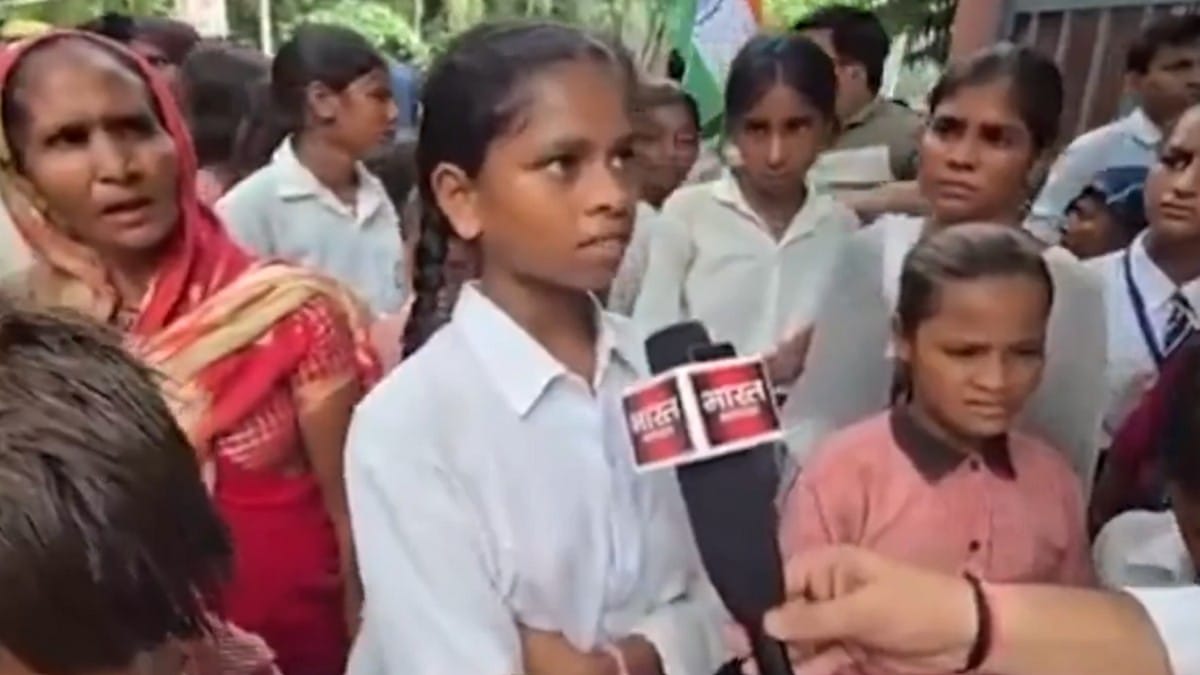
Abhijeet Dipke launches 'School Thik Karo' campaign for govt schools

India’s Public Schools Face Infrastructure and Learning Crisis

Gen Alpha Students Protest India’s Failing Government Schools
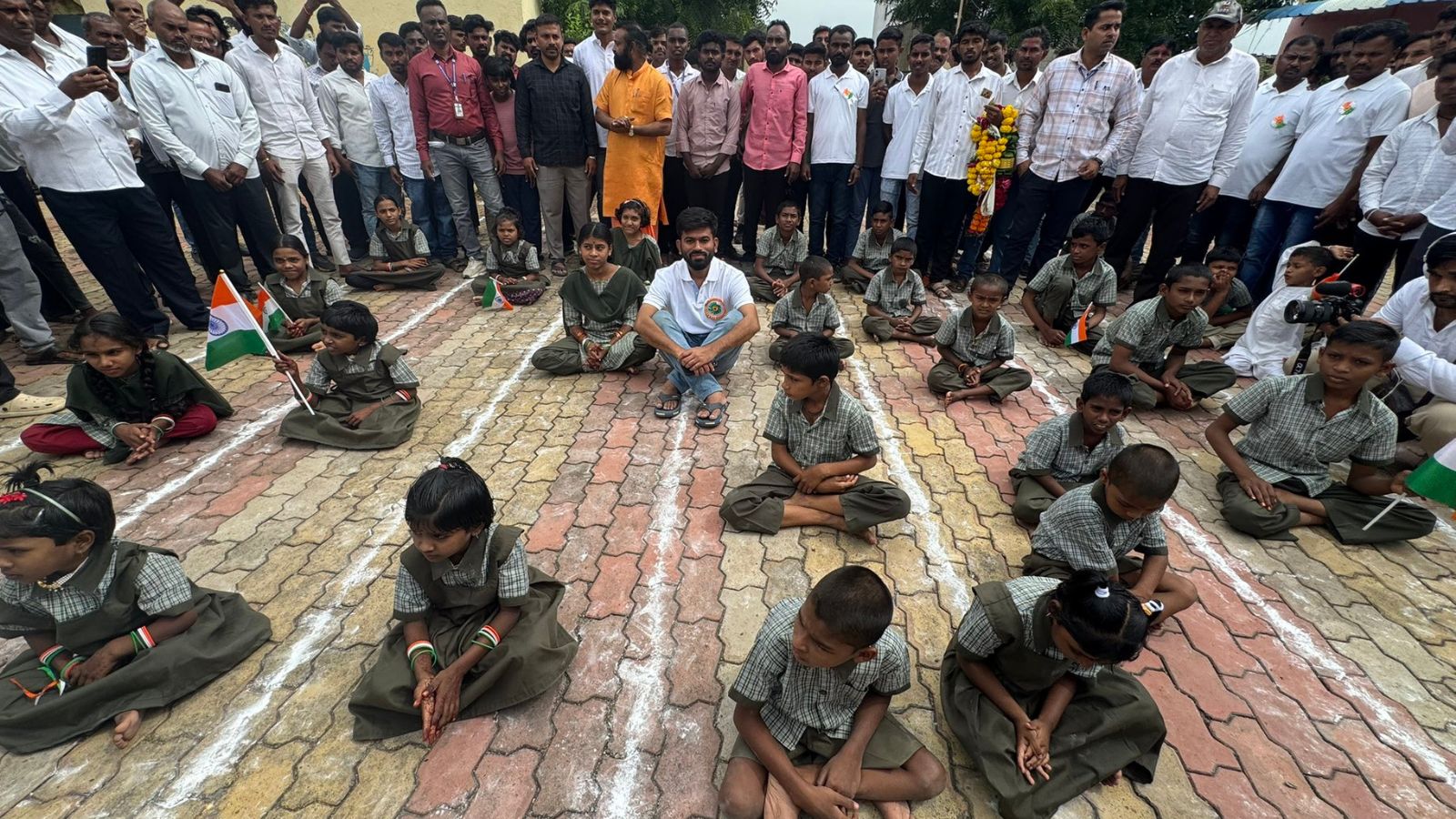
School Thik Karo campaign exposes neglect at Maharashtra school
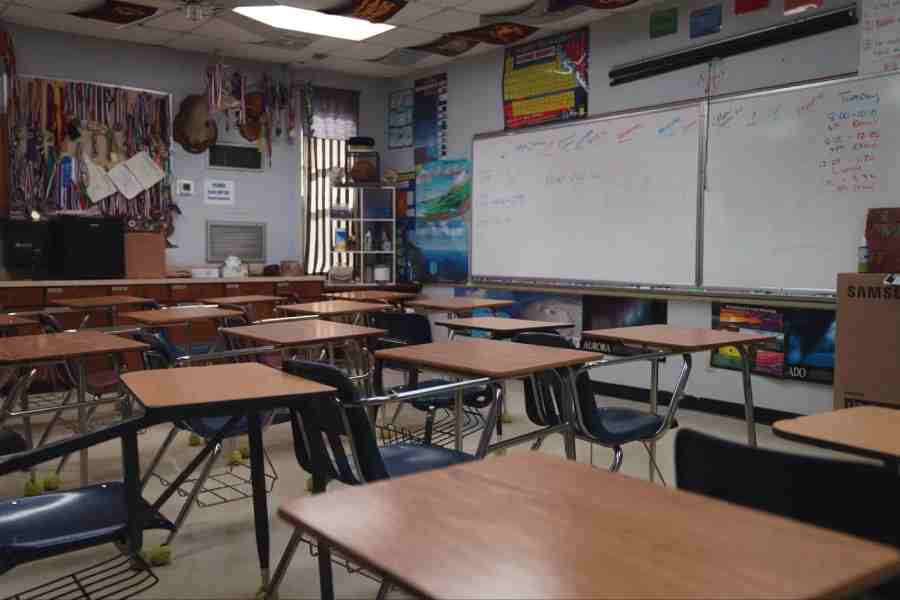
School Protests Expose India’s Infrastructure Failures Amid State Pushback
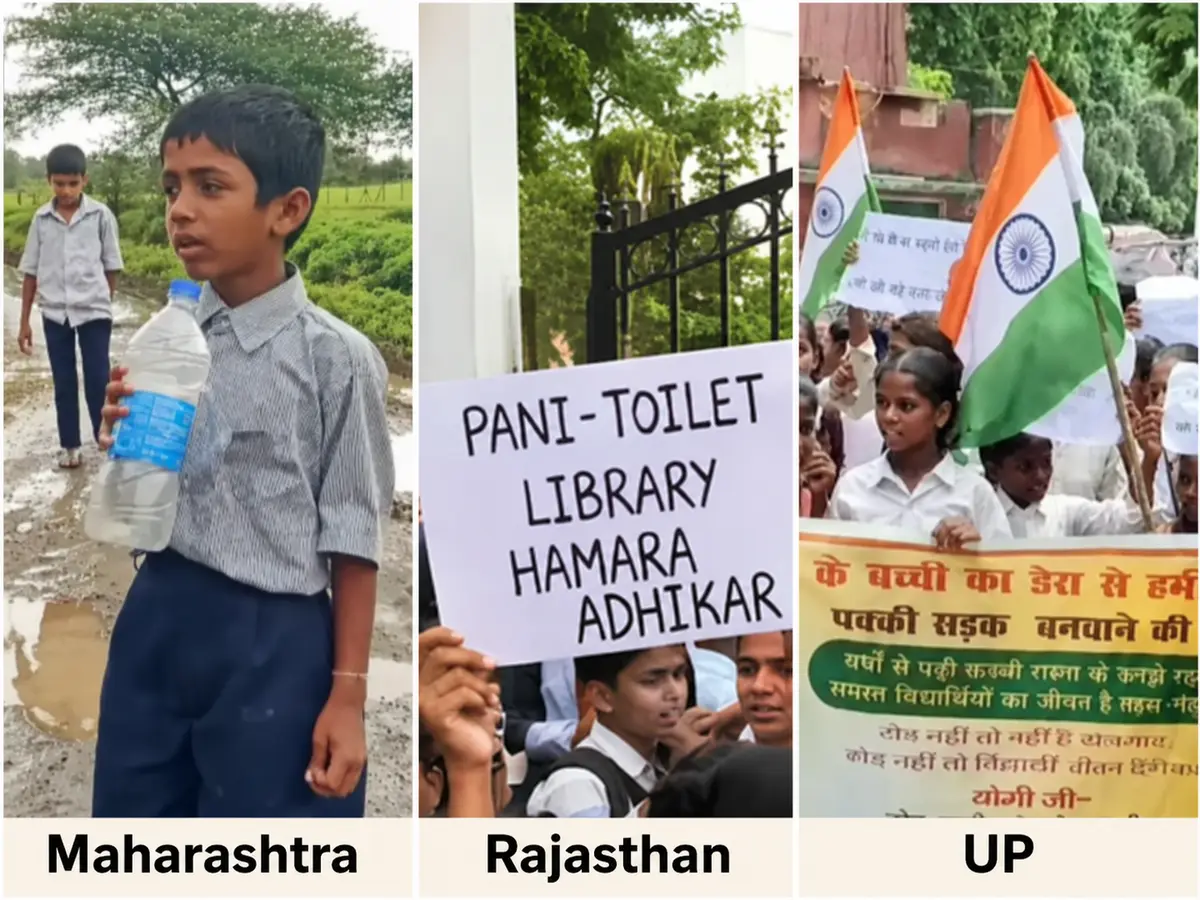
Gen Alpha protests sweep India demanding better schools and amenities
BJP MLA Anil Sharma Dies After Prolonged Illness, Yogi Mourns
India’s Global Power Ambitions Face Economic and Democratic Setbacks

Sonia Gandhi Memoir Sparks Debate Over Politics, Publishing And Speech

Rajasthan BJP Promises Early Disturbed Area Law Enforcement

Punjab Police, ED Clash Over Alleged Transfer-Posting Network