3 weeks ago
Tata Memorial Centre starts large-scale breast cancer genome sequencing project
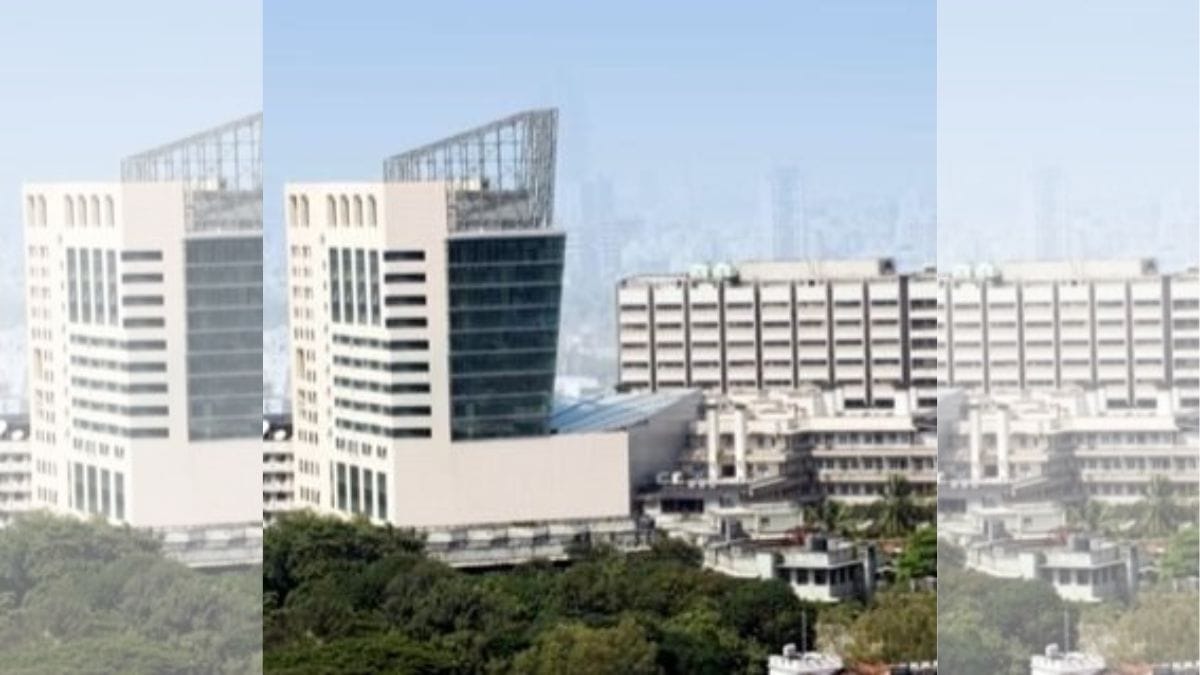
Tata Memorial Centre is India's oldest and largest cancer centre.
Every living thing has a set of instructions, called DNA, inside its cells, and doctors can read those instructions to look for clues about why people get sick.
The centre, working with another science institute called CSIR-IGIB, is reading the DNA from many breast cancer samples taken from patients across India.
This is the first time such a big DNA-reading study for breast cancer has been done in India.
The scientists are building a complete picture of breast cancer tumours, including a very serious type called triple-negative breast cancer.
The study also wants to find out whether people who live in the North-Eastern part of India are born with a special reason for getting more cancer.
An important committee of Indian leaders asked for this work after noticing that cancer is more common in that region.
The DNA-reading part of the project is finished, and scientists are now studying the clues they found.
This could help doctors understand cancer better and make better plans to prevent and treat it.

Tata Memorial Centre (TMC) is collaborating with CSIR-Institute of Genomics and Integrative Biology (CSIR-IGIB) on India's first large-scale whole-genome sequencing of breast cancer samples.
The project will build an integrated genomic profile of breast cancer tumours, including aggressive triple-negative breast cancers, from patients across different regions of India.
The work responds to a Rajya Sabha standing committee report that noted increasing cancer cases, with a significantly higher incidence in the North-Eastern region of India.
TMC agreed with the committee's recommendation to study biological and genetic factors linked to cancers in the northeast and will formally write to CSIR-IGIB to seek the collaboration.
TMC said the sequencing for the project is complete and the data is being analysed, and it backed a harmonised, centrally coordinated nationwide cancer registry.
- Who
- Tata Memorial Centre (TMC) and CSIR-Institute of Genomics and Integrative Biology (CSIR-IGIB), responding to a Rajya Sabha standing committee chaired by Dr Medha Vishram Kulkarni
- What
- India's first large-scale whole-genome sequencing of breast cancer samples to create an integrated genomic profile of breast cancer tumours
- Where
- India, with samples from patients across different regions of the country and a specific focus on the higher incidence in the North-Eastern region
- When
- Not explicitly stated in the articles; the sequencing is complete and the data is being analysed
- Why
- To study biological and genetic factors behind rising cancer cases, particularly the significantly higher incidence in India's North-Eastern region, and to support effective, data-driven cancer control
Key facts
- Institutions involved
- Tata Memorial Centre (TMC) and CSIR-Institute of Genomics and Integrative Biology (CSIR-IGIB)
- Project
- India's first large-scale whole-genome sequencing of breast cancer samples
- Goal
- Integrated genomic profile of breast cancer tumours, including triple-negative breast cancers
- Sample origin
- Patients from different regions of India
- Status
- Sequencing complete; data being analysed
- Committee
- Rajya Sabha standing committee on science and technology, environment, forests and climate change
- Committee chair
- Dr Medha Vishram Kulkarni
- Regional concern
- Significantly higher cancer incidence reported in the North-Eastern region of India
Sources
Related news

Parliamentary Panel Urges Nationwide Mandatory Cancer Reporting in India
India Accounts for 68.8% of SAARC Childhood Cancer Cases
Odisha Allocates Rs 311 Crore to Expand Cancer Care

Genetic Study Guides Conservation of Arunachal Pradesh’s Mithun Population

Gujarat launches DNA-based sports talent hunt for 2030 Commonwealth Games

SC asks 19 states, UTs to declare cancer notifiable disease

Arunachal Congress Protests FIR Against Rahul Gandhi

Parliament Panel To Examine Fertiliser, Wood Panels And Medicines
Inside India's Parliament, Disruptions Raise Questions About Democratic Accountability

MP Ashok Mittal Calls for National Commission for Men
Amrita Pritam’s Two Delhis: A City Lived, Written, Erased