2 hrs ago
Why Executive Coaching Is Becoming Essential for Indian CEOs
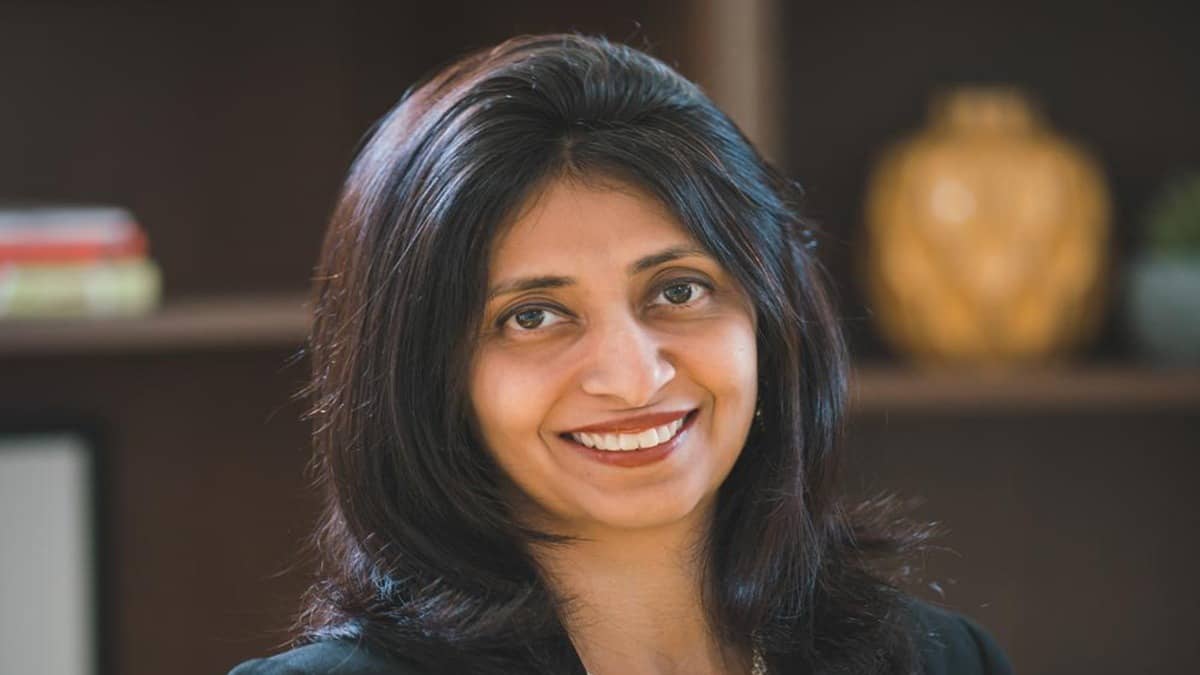
Payal Nanjiani says being a CEO does not mean knowing every answer.
CEOs often make important choices without having all the facts.
An executive coach can give them an outside view and help them question their usual habits.
A CEO who solves every problem may accidentally stop other leaders from learning.
Instead, the CEO should help team members make decisions on their own.
Skills that helped someone become successful can sometimes cause problems in a bigger role.
For example, being very hands-on can turn into micromanaging.
Good coaching can help the whole company become less dependent on one person.

Payal Nanjiani says CEOs need outside perspectives to challenge assumptions and navigate decisions made with incomplete information.
She argues rapid growth, technological disruption, global competition and changing workforce expectations are making coaching increasingly important for Indian CEOs.
CEOs who personally solve every major problem can create organisational dependence and become decision-making bottlenecks.
Qualities such as decisiveness, hands-on involvement and strong opinions can become impatience, micromanagement or poor listening at the CEO level.
Effective coaching helps CEOs delegate, strengthen leadership teams and focus more on strategy, growth, succession and long-term organisational capability.
- Who
- Payal Nanjiani, an executive coach and author, discusses the changing role of CEOs and the value of executive coaching.
- What
- The discussion explains why executive coaching is increasingly viewed as important for Indian CEOs and how it can improve organisational leadership.
- Where
- The discussion focuses on Indian businesses and Indian CEOs.
- When
- Why
- Rapid growth, technological disruption, global competition, changing workforce expectations and greater organisational complexity are increasing leadership demands.
Key facts
- Speaker
- Payal Nanjiani, executive coach and author
- Leadership challenge
- CEOs must make critical decisions amid complexity and incomplete information.
- Business environment
- Indian companies are facing rapid growth, technological disruption and global competition.
- Risk of over-solving
- When CEOs personally solve every major problem, executives may escalate decisions and the CEO can become a bottleneck.
- Potential leadership limitations
- Decisiveness can become impatience, hands-on involvement can become micromanagement, and strong opinions can reduce listening.
- Organisational benefits
- Coaching can help CEOs delegate, increase senior-leader ownership and strengthen organisational capability.
Sources
Related news

India’s Executive Coaches Face Fee Cuts and AI Competition

Indian FMCG Firms Reshuffle Leadership Amid Growth Pressures

India's next economic reform starts with stronger corporate boardrooms

India’s Consumer Companies Face a Wave of Leadership Changes

Corporate India Reshapes Boardrooms Through Faster Leadership Renewal

Next Tata Chairman Faces Toughest Job, Management Professor Warns

NCDEX, CAI Pact Targets India’s Cotton Futures Market

Maruti Suzuki Targets Faster Electric Vehicle Sales Growth

Neelkanth Mishra Defends India’s Revised GDP Data Methodology
Amarinder Singh Seeks Clarity on Modi’s ‘Dimagi Naxal’ Label
CJP Rebel Launches Democratic Faction, Alleges AAP Influence