52 mins ago
128 Countries Agree Framework for Rules on Killer Robots

Killer robots are weapons that can find and attack targets using computer programming.
They may not need a person to approve every single attack.
Countries have been discussing how to control these weapons for more than ten years.
During talks in Geneva, 128 countries agreed on a framework.
The framework is not legally binding yet.
It could eventually help create international rules.
Some countries want people to remain responsible whenever a weapon uses deadly force.
The United States and Russia prefer their own national guidelines instead of binding global rules.
A campaign group called Stop Killer Robots said the final agreement was weakened before it was adopted.

128 countries adopted a non-binding framework on autonomous weapons by consensus during Geneva talks.
The agreement could eventually lead to international rules governing weapons that identify and engage targets with varying levels of human control.
Supporters of tougher rules say humans must remain responsible for decisions involving lethal force.
The United States and Russia have favored national guidelines instead of legally binding global restrictions.
Stop Killer Robots criticized the final text, saying negotiators substantially weakened it during the final hours.
- Who
- Representatives of 128 countries, including the United States and Russia, negotiated the framework; Stop Killer Robots criticized it.
- What
- The countries adopted a non-binding framework that could eventually lead to international rules for autonomous weapons.
- Where
- The talks took place in Geneva under the Convention on Certain Conventional Weapons, within the United Nations framework.
- When
- The text was adopted by consensus on Saturday, September 5, after more than a decade of discussions.
- Why
- Governments are addressing concerns about civilian casualties, accountability, and whether humans can retain meaningful control over lethal-force decisions.
Binding International Rules
National Guidelines and Flexibility
Human control over lethal force
Binding International Rules
Supporters of tougher international rules argue that humans must remain responsible for decisions involving lethal force.
National Guidelines and Flexibility
The United States pushed for more flexibility in language concerning human judgment, while major military powers have resisted binding restrictions.
Legal approach
Binding International Rules
Advocates seek international rules that would impose stronger limits on autonomous weapons.
National Guidelines and Flexibility
The United States and Russia have supported national guidelines instead of legally binding global rules.
Final Geneva text
Binding International Rules
Stop Killer Robots argued that the agreement was weakened during the final hours of negotiations.
National Guidelines and Flexibility
Negotiators adopted the text by consensus after working through the night to bridge differences over autonomy and human judgment.
Key facts
- Countries involved
- 128 countries
- Agreement status
- Non-binding framework adopted by consensus
- Negotiation location
- Geneva
- Negotiating forum
- Convention on Certain Conventional Weapons
- Weapons discussed
- Autonomous weapons capable of detecting and engaging targets based on programming
- United States and Russia
- Backed national guidelines rather than legally binding global rules
- Criticism
- Stop Killer Robots said the text was substantially diluted during the final hours
Quotes
Nicole van Rooijen
Executive director of Stop Killer Robots
“It’s a real shame that all the work done by states on the text over the past three years has been substantially diluted in the last hours.”
 wionews.com
Sources
Related news
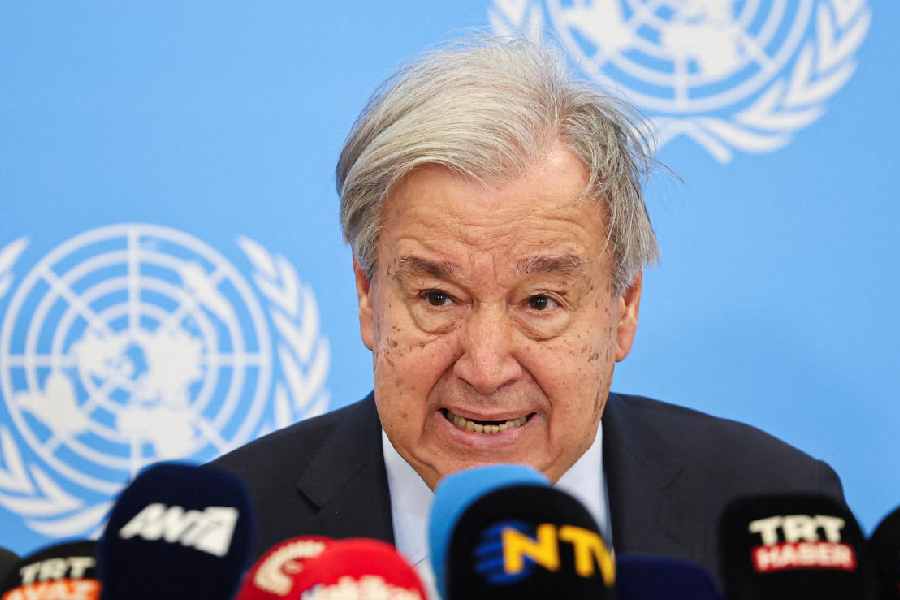
UN and Red Cross Seek Urgent Curbs on Autonomous Weapons

UN and Red Cross Urge Rules for Autonomous Weapons

UN Chief Warns Cheap Drones Are Creating Dystopian Wars

Foundation Pitches Humanoid Robots for Border Patrol and War

Nvidia Jetson Modules Found in Russian Drones Raise Supply Questions

Humanoid Robots Near Borders Raise Questions About Human Control

US Envoys Visit Kyiv After Putin Talks Renew Peace Push
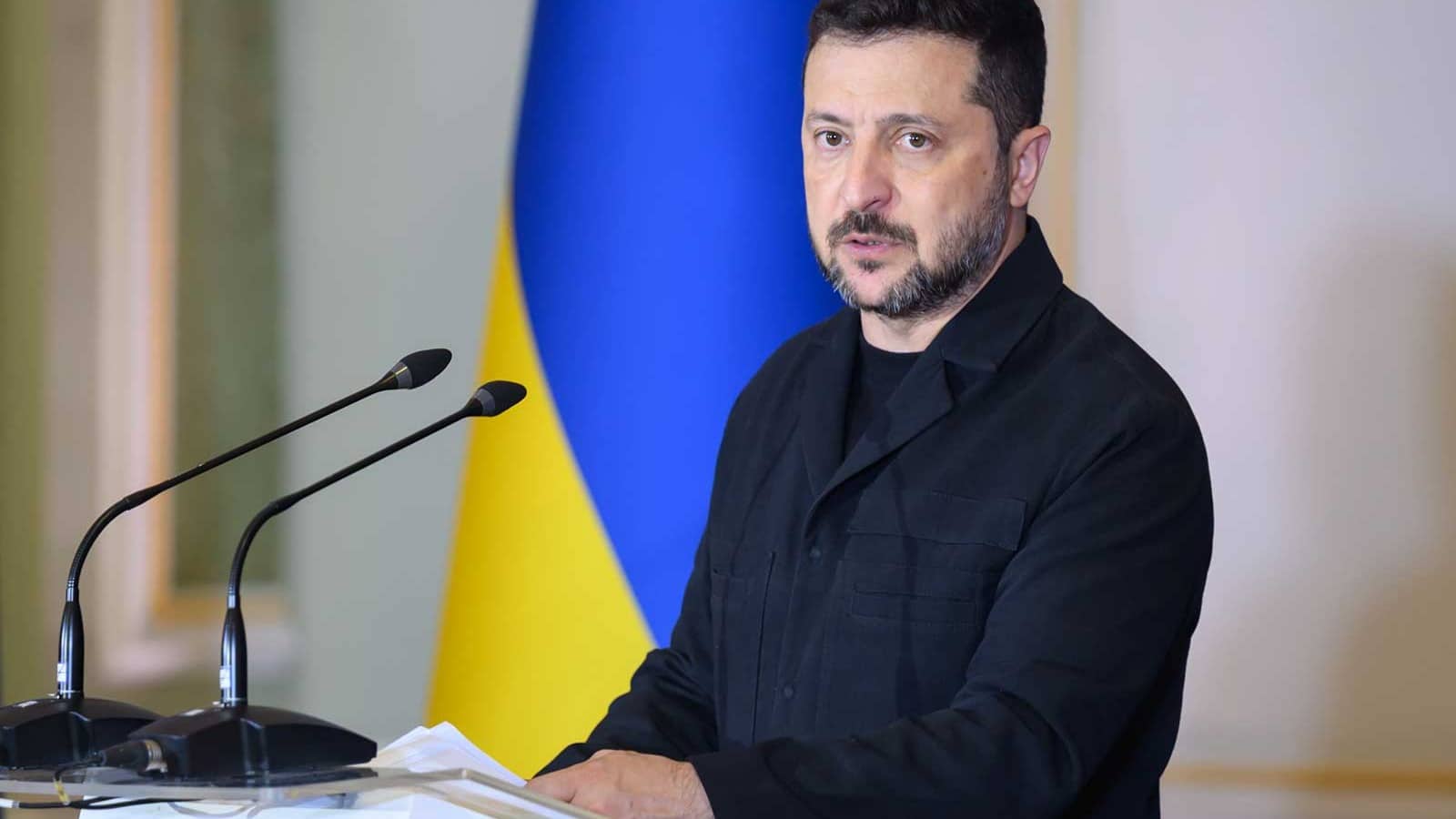
Ukraine Offers Strike Pause as U.S.-Russia Talks Continue

India Supplies Europe as Russian and US Diesel Flows Falter
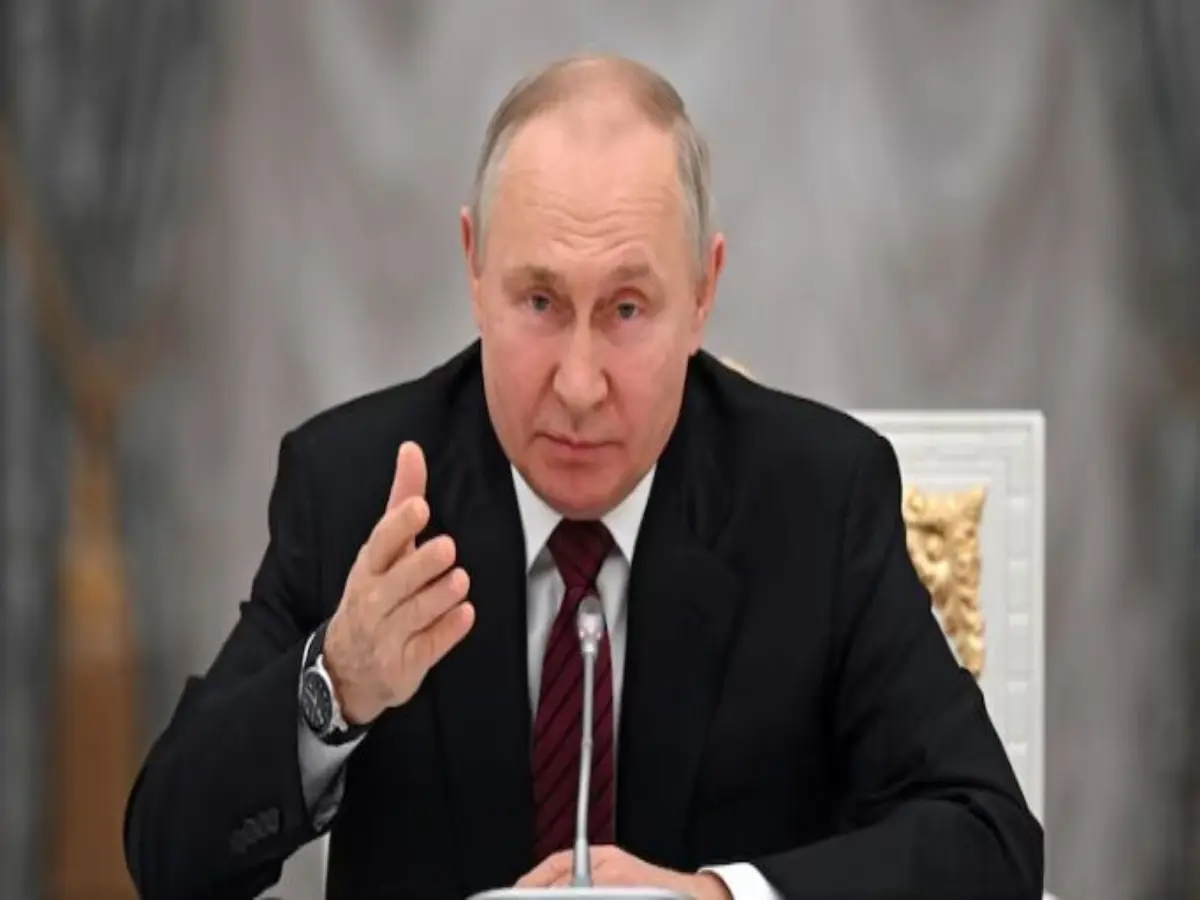
Russia Says Ukraine Talks With US Outlined Settlement Avenues