1 week ago
Humanoid Robots Near Borders Raise Questions About Human Control

Some companies are testing whether robots could help watch hard-to-reach border areas.
The United States has not started an official border-robot programme with the company discussed.
Robots might travel through places where vehicles, cameras, or drones do not work well.
India is also testing robot systems made by a start-up connected to IIT Guwahati.
These machines can use sensors and artificial intelligence to notice unusual movement.
However, a robot may not know whether a person is an illegal border crosser, a farmer, or someone who made a mistake.
That is why people should still make important decisions about what the robot sees.
The safest plan is to use robots to help border guards rather than replace them.

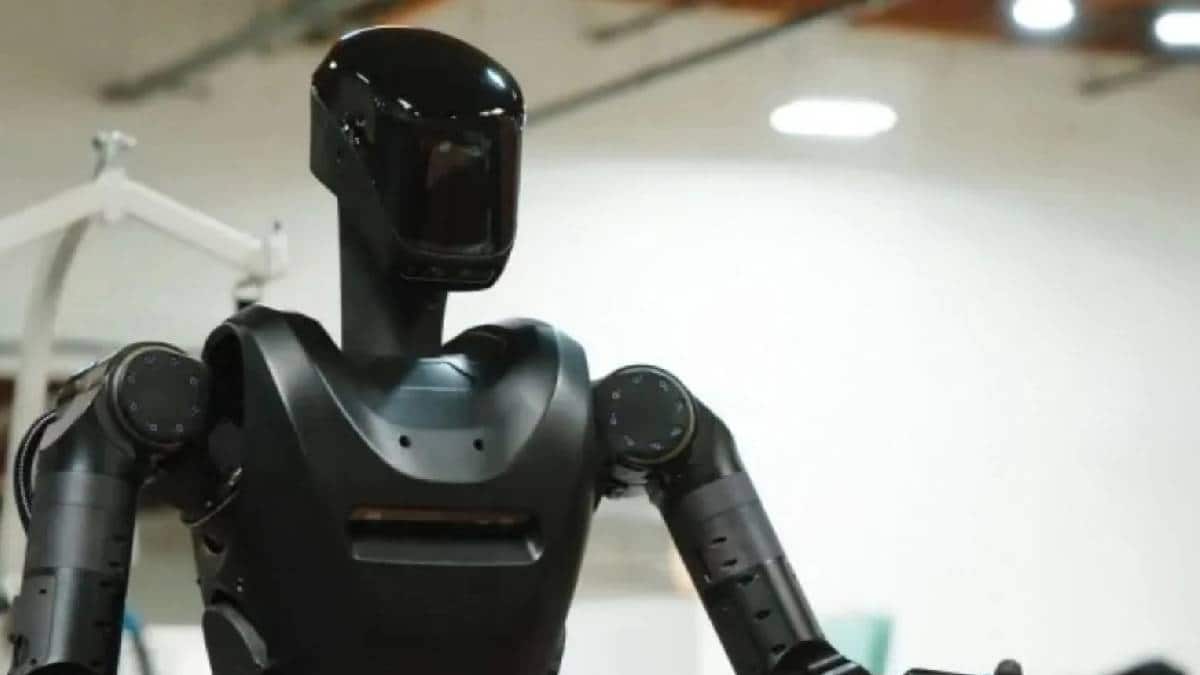
A robotics company is exploring humanoid machines for surveillance along difficult terrain near the United States southern border.
United States authorities say there is currently no agreement, pilot programme, or active prime contract with the company.
An IIT Guwahati-incubated start-up announced AI-driven surveillance robots in March 2025, with Defence Research and Development Organisation acknowledgement and Indian Army field trials.
The systems are designed to combine autonomous navigation, multiple sensors, and AI-enabled reconnaissance for continuous monitoring.
The article argues robots should extend human reach and safety while leaving identification, intervention, and consequential decisions to accountable people.
- Who
- A robotics company, United States authorities, and an IIT Guwahati-incubated Indian start-up are involved in the developments described.
- What
- Robotic systems are being explored and tested for surveillance and reconnaissance in difficult border terrain.
- Where
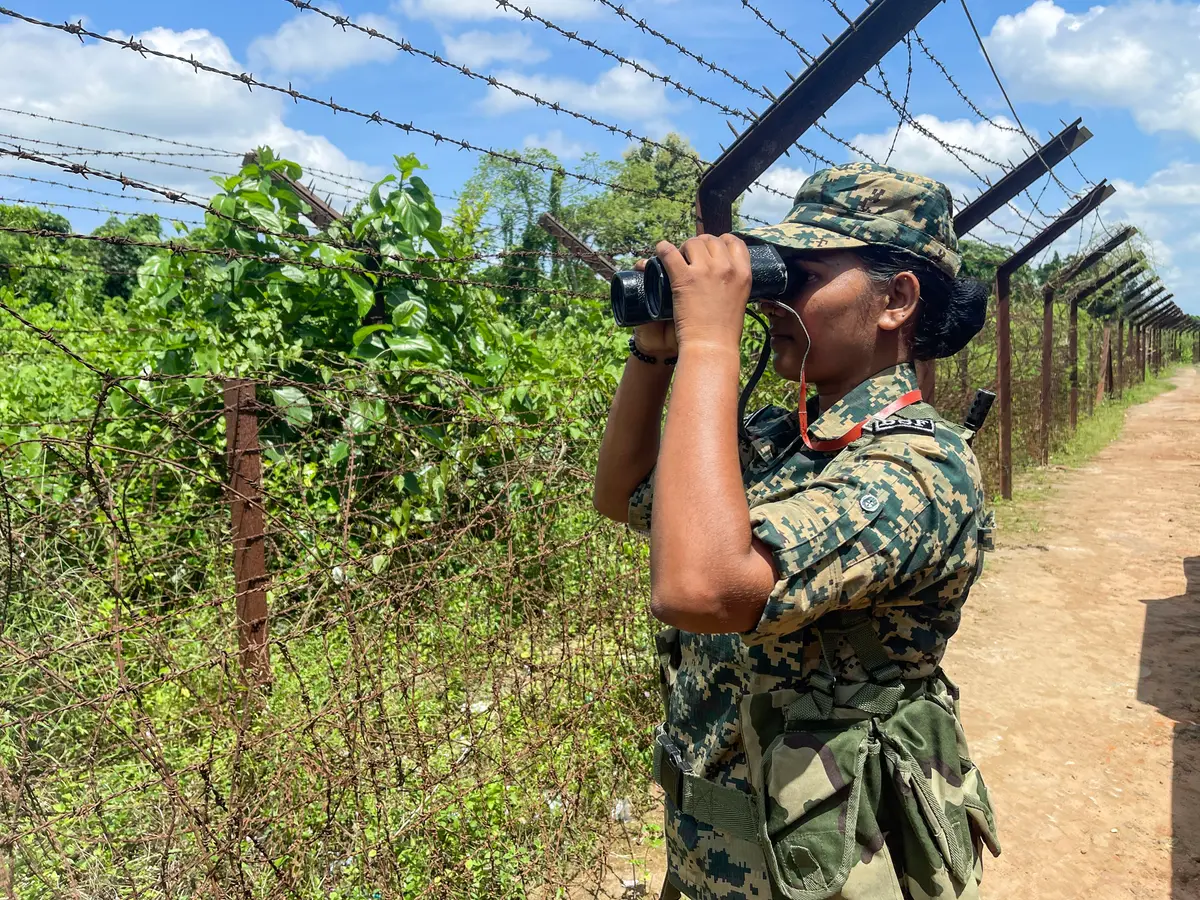
- The discussion concerns the United States southern border and India’s borders with Bangladesh and Myanmar.
- When
- The Indian start-up announced its systems in March 2025; the United States effort remains exploratory.
- Why
- The systems could help monitor difficult or dangerous terrain and address infiltration, smuggling, and other illegal cross-border movement.
Technology-first view
Human-accountability view
Role of robots
Technology-first view
Robots could reach difficult or dangerous locations, improve continuous monitoring, and make border personnel safer.
Human-accountability view
Robots should supplement conventional patrols rather than replace border guards or human responsibility.
Autonomous decisions
Technology-first view
Greater autonomy could allow machines to patrol, detect movement, and report activity across challenging terrain.
Human-accountability view
Detecting an anomaly does not explain whether someone is an infiltrator, smuggler, farmer, or accidental crosser; consequential decisions require human judgment.
Policy timing
Technology-first view
India should invest in the technology while it is still developing and assess its potential for difficult borders.
Human-accountability view
Clear rules governing surveillance, identification, data use, and human intervention should be established before autonomous systems become embedded in operations.
Key facts
- United States status
- Authorities said there is no current agreement, pilot programme, or active prime contract with the robotics company.
- Potential use
- Humanoid machines could support surveillance where vehicles, fixed cameras, or drones have limitations.
- Indian developer
- Da Spatio Rhobotique Laboratory is an IIT Guwahati-incubated start-up.
- Announcement date
- The Indian start-up announced its AI-driven robotic systems in March 2025.
- Indian trials
- The systems had received acknowledgement from the Defence Research and Development Organisation, while the Indian Army was conducting field trials.
- Core capabilities
- The systems are intended to combine autonomous navigation, multiple sensors, and AI-enabled reconnaissance.
- Key safeguard
- The article calls for human accountability and clear rules on surveillance, identification, data use, and intervention.
Sources
Related news
Foundation Pitches Humanoid Robots for Border Patrol and War
India’s Smart Border to Link High-Tech Security Across Borders

Amit Shah Highlights AI, Anti-Drone Border Security Capabilities

TTD Evaluates Robotic Dog for Wildlife Monitoring Around Tirumala

Sharma and Malik share halfway lead at Telangana Golconda Masters

India Replaces Sri Lanka as 2027 Women’s Champions Trophy Host

Centre Assures JDU Bihar’s Interests In Farakka Treaty Decision

India’s Record Wheat Harvest Opens $1.5 Billion Export Window

West Bengal CM Crushes Nearly 2 Lakh Seized Syrup Bottles