1 week ago
SNEHA Programme Reports Gains In Child And Maternal Health

SNEHA is a nonprofit that worked with families in Malvani and Bhiwandi.
The programme aimed to improve children’s food, vaccinations and mothers’ health.
Over about five years, fewer children were too short, too thin or underweight.
More children received all recommended vaccinations.
Fewer children showed developmental delays.
Fewer mothers had anaemia, which means low iron in the blood.
More pregnant women registered early for care, and more babies were delivered in health institutions.
SNEHA trained community volunteers and worked with existing government services.
The organisation said this approach could help communities continue improving after direct support decreases.

SNEHA’s community-led programme reached about 60,000 people each in Malvani and Bhiwandi.
From 2021-22 to 2025-26, stunting fell from 30% to 21% and wasting from 14% to 11%.
Full immunisation rose from 79% to 93%, while developmental delays declined from 18% to 7%.
Maternal anaemia fell from 40% to 17%, and institutional deliveries increased from 88% to 97%.
SNEHA worked through Anganwadi Centres, ICDS services and government frontline workers rather than creating parallel systems.
- Who
- The Society for Nutrition, Education and Health Action (SNEHA), community volunteers, government frontline workers and families in Malvani and Bhiwandi.
- What
- A community-led health and nutrition programme reported improvements in child nutrition, immunisation and maternal health.
- Where
- Malvani and Bhiwandi in the Mumbai region.
- When
- The reported comparison covers 2021-22 to 2025-26; the data was presented at SNEHA’s Dissemination Event 2026.
- Why
- To improve access to nutrition, maternal and child health services and sustain gains through existing community and government systems.
Key facts
- Population reached
- About 60,000 people in each of Malvani and Bhiwandi, across approximately 11,000-14,000 families.
- Children covered
- Around 4,500 children in Malvani and 2,500 in Bhiwandi.
- Nutrition outcomes
- Stunting declined from 30% to 21%, wasting from 14% to 11%, and underweight from 28% to 22% between 2021-22 and 2025-26.
- Immunisation
- Full immunisation increased from 79% to 93%.
- Maternal health
- Maternal anaemia declined from 40% to 17%; early pregnancy registration rose from 45% to 76%.
- Institutional deliveries
- The proportion of institutional deliveries increased from 88% to 97%.
- Referral systems
- Formal maternal referral linkages expanded from one municipal corporation in 2007 to 10 by 2025, while referral tracking rose from 36% in 2014 to 84% in 2023.
Quotes
Vanessa D'Souza
CEO of the Society for Nutrition, Education and Health Action (SNEHA)
“The emphasis is on working alongside existing systems, building on their strengths, and providing context-specific technical support.”
 freepressjournal.in
Sources
Related news

IAS Officer's Simple System Halves Maternal Deaths in Shahdol
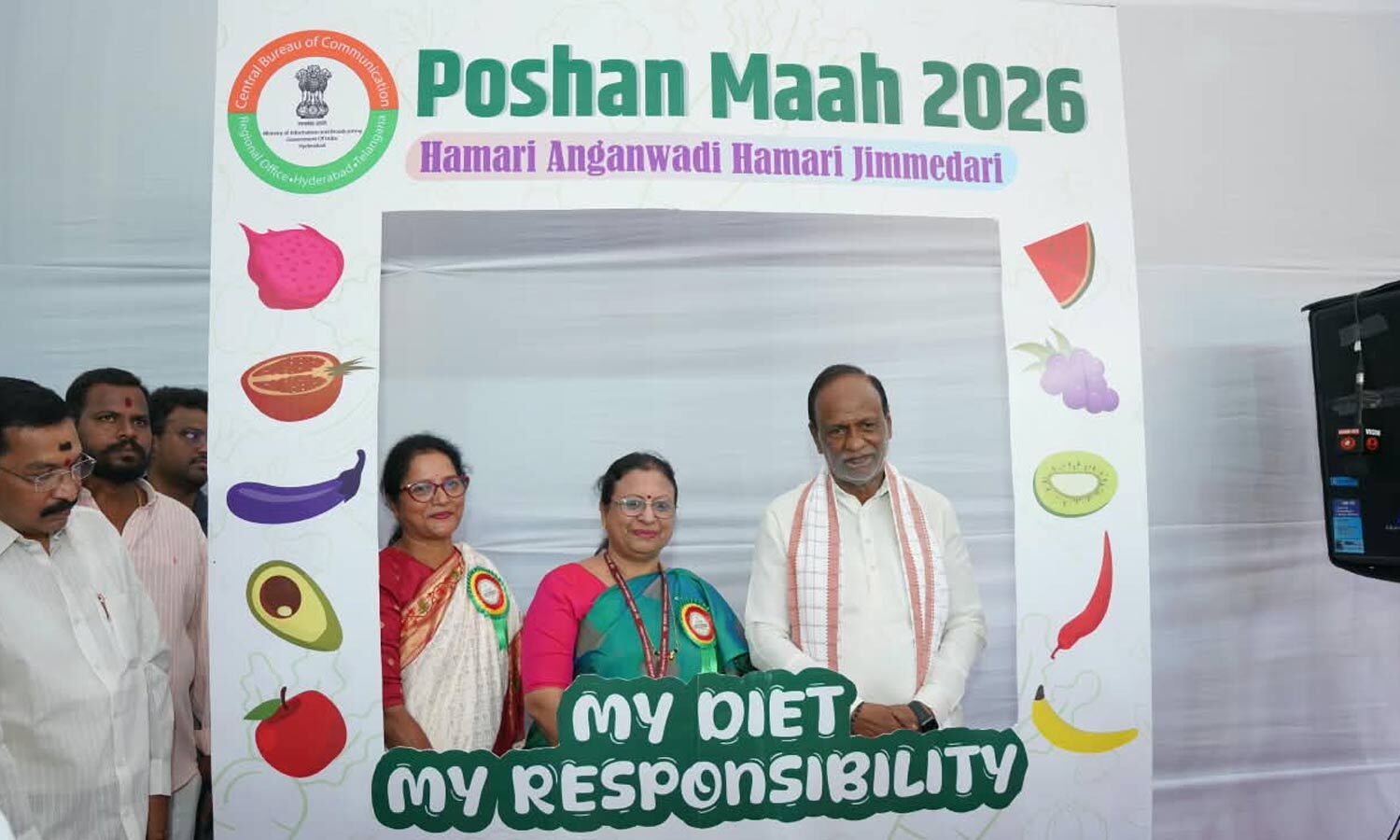
ICOP on POSHAN MAAH-2026 Inaugurated in Hyderabad

Nashik Finds 3,672 Malnourished Children During District Screening
PMC Reviews Women And Child Welfare Schemes, Announces New Initiatives

Actor Nadeem Khan Arrested in Sexual Exploitation Case

Man arrested for molesting 7 schoolgirls in Mumbai