

1 week ago
India Develops Space-Based Missile Detection for Earlier Intercepts
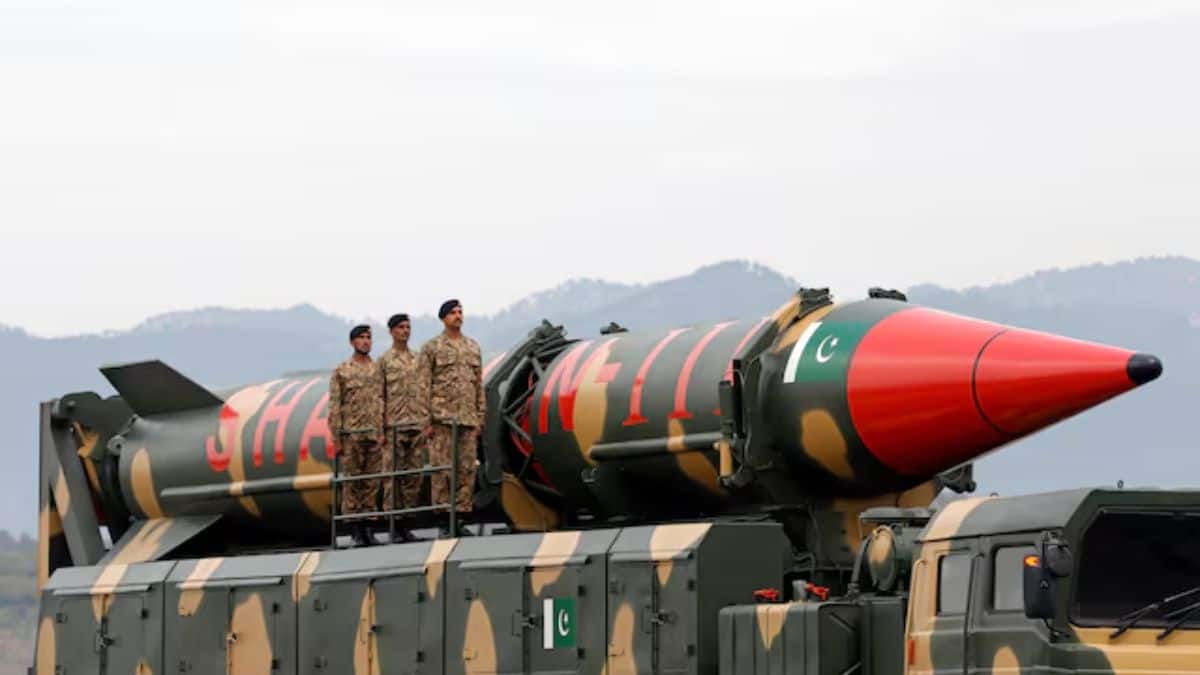
During Operation Sindoor, India stopped a missile heading toward Delhi only a minute or two before it could hit.
India wants more time to react to missiles.
It is working on satellites that can see the hot exhaust from a missile soon after launch.
This warning could reach people on the ground within seconds.
Earlier information would help radars and interceptors prepare sooner.
Defenders might then get more than one chance to try to stop the missile.
However, satellites cannot watch every possible launch area all the time.
Early warning also does not guarantee that an interceptor will destroy the missile.
Missiles carrying several warheads or decoys could make the defense problem harder.

During Operation Sindoor, the Indian Air Force intercepted a Delhi-bound Pakistani missile over Sirsa, Haryana, shortly before its expected impact.
India is developing space-based infrared sensors designed to detect missile launches within seconds of engine ignition.
Earlier detection could allow India to track missiles sooner and attempt interceptions during the boost, midcourse, or terminal phases.
DRDO said it successfully demonstrated interceptions of ballistic missiles both outside and within the atmosphere in June.
Experts caution that satellite coverage gaps, inaccurate tracking, and complex threats such as MIRVs could still limit the effectiveness of early warning.
- Who
- India, the Indian Air Force, the Defence Research and Development Organisation, and Digantara are involved in the reported missile-defense efforts; Anirudh Sharma provided expert comments.
- What
- India is developing space-based missile-detection capabilities to identify launches earlier and improve interception opportunities.
- Where
- The missile was intercepted over Sirsa in Haryana while heading toward Delhi; the planned detection system would use satellites to monitor relevant launch regions.
- When
- The incident occurred during Operation Sindoor; the Defence Research and Development Organisation reported its interception tests in June, while the new capabilities are under development.
- Why
- To create more time to assess missile trajectories, activate defenses, and potentially intercept threats before their terminal phase.
Key facts
- Reported interception
- A Delhi-bound Pakistani high-speed missile was intercepted over Sirsa, Haryana, one or two minutes before its planned impact.
- Detection target
- Space-based infrared sensors could potentially detect a missile’s exhaust plume within seconds of engine ignition.
- Ballistic missile phases
- Boost, midcourse, and terminal phases make up the broad trajectory of a ballistic missile.
- Reported flight time
- A Pakistani ballistic missile could reach deep inside India in about 10 to 15 minutes after launch, according to the article.
- DRDO test
- The Defence Research and Development Organisation reported successful interceptions both outside and within the atmosphere in June.
- Potential advantage
- Earlier warning could support interception attempts during multiple stages of flight, depending on geometry and available systems.
- Key limitation
- Satellite detection depends on coverage and still must be converted into an accurate track, fire-control solution, and interceptor engagement.
Quotes
Anirudh Sharma
Founder and CEO of Digantara, a space intelligence company developing missile-detection capabilities
“When both sides know that launches will be detected and verified, the incentive for a surprise first strike diminishes. Better detection makes restraint more likely. Early warning, in this framing, is what keeps escalation in check.”
 firstpost.com
“Time is the decisive variable. Detecting a missile launch within seconds via space-based sensors provides a clear window to assess intent, understand trajectories, and activate countermeasures.”
firstpost.com
Sources
Related news
Pakistan fired missile at Delhi before India's BrahMos assault: Documentary

Ex-Air Marshal Says Pakistan Hunted India’s S-400 Systems

India Expands Defence Capabilities Amid Pakistan Unrest and Regional Shifts
Can India's homegrown Astra rival battle-tested AIM-120 AMRAAM?

India’s Post-Sindoor Defence Push Targets Networked Future Warfare

Congress Questions Haryana’s Falling Sex Ratio Despite Beti Bachao

Haryana Says Ayushman Bharat Health Services Continue Despite IMA Call

Private Hospitals Flag Ayushman Bharat Payment Delays and Claim Deductions

Haryana Records Highest SGST Growth Among States in 2026-27

Haryana sanitation workers’ strike puts BJP government under pressure
