

6 days ago
Nepal Flood Death Toll Reaches 95, Many Missing
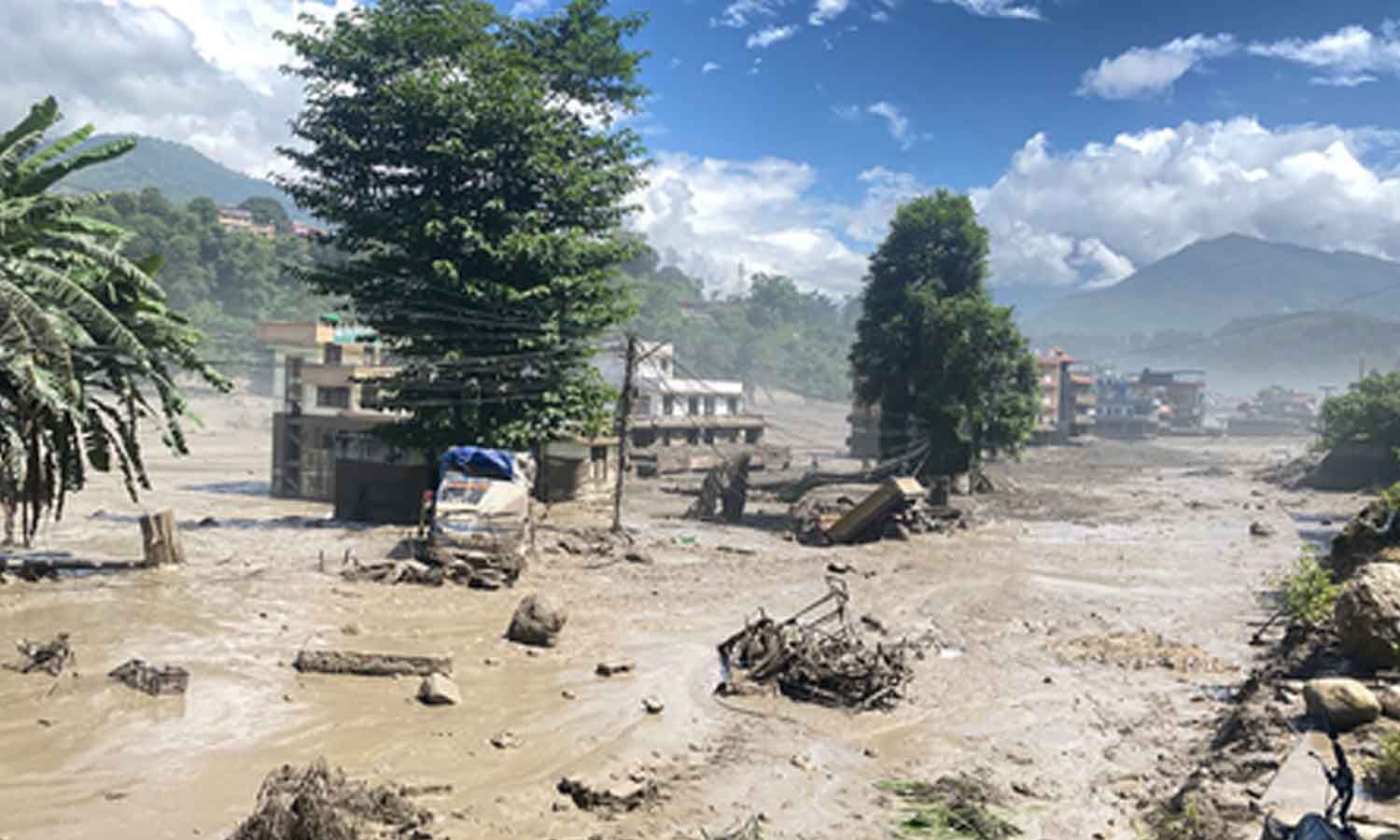
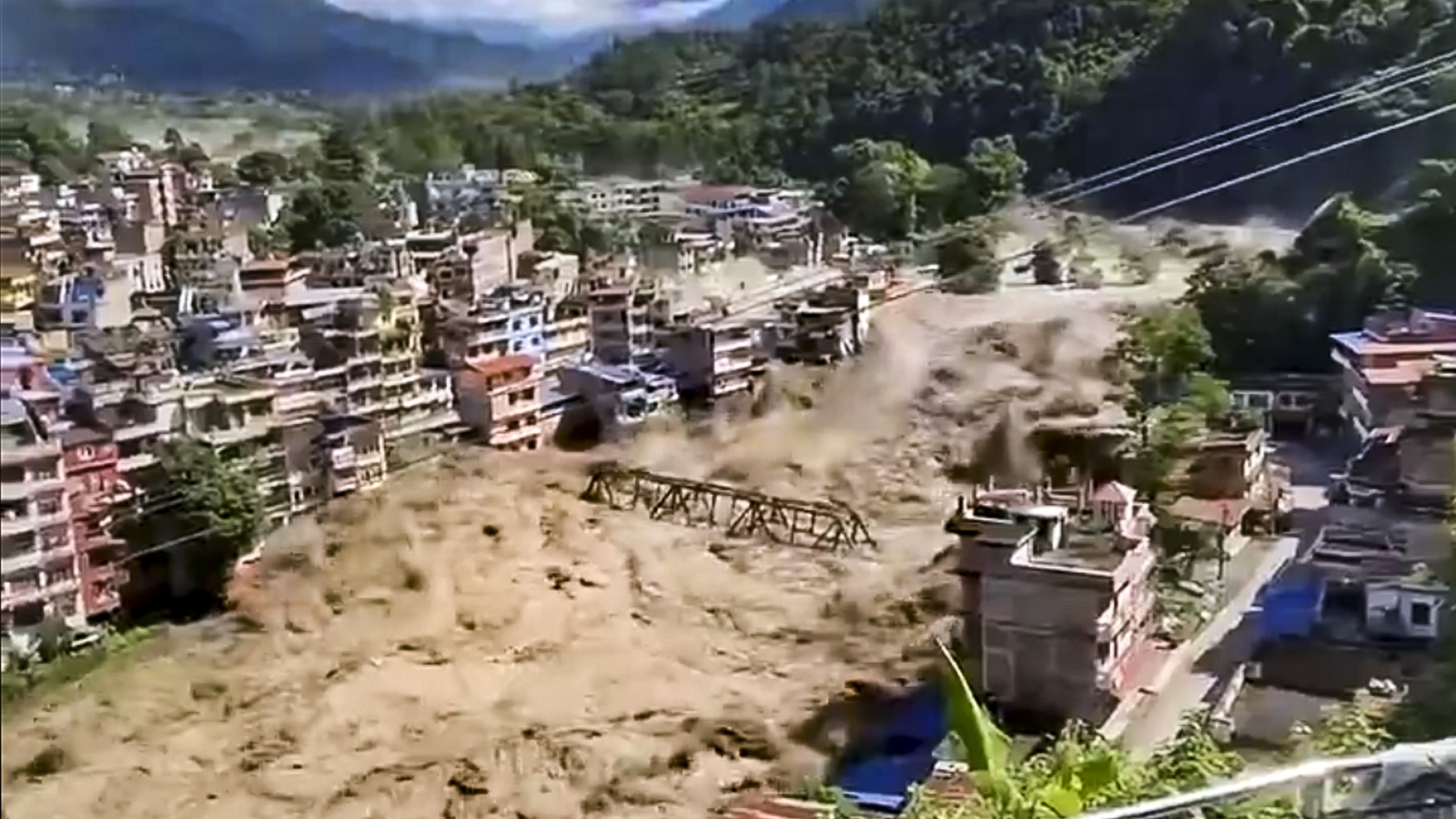
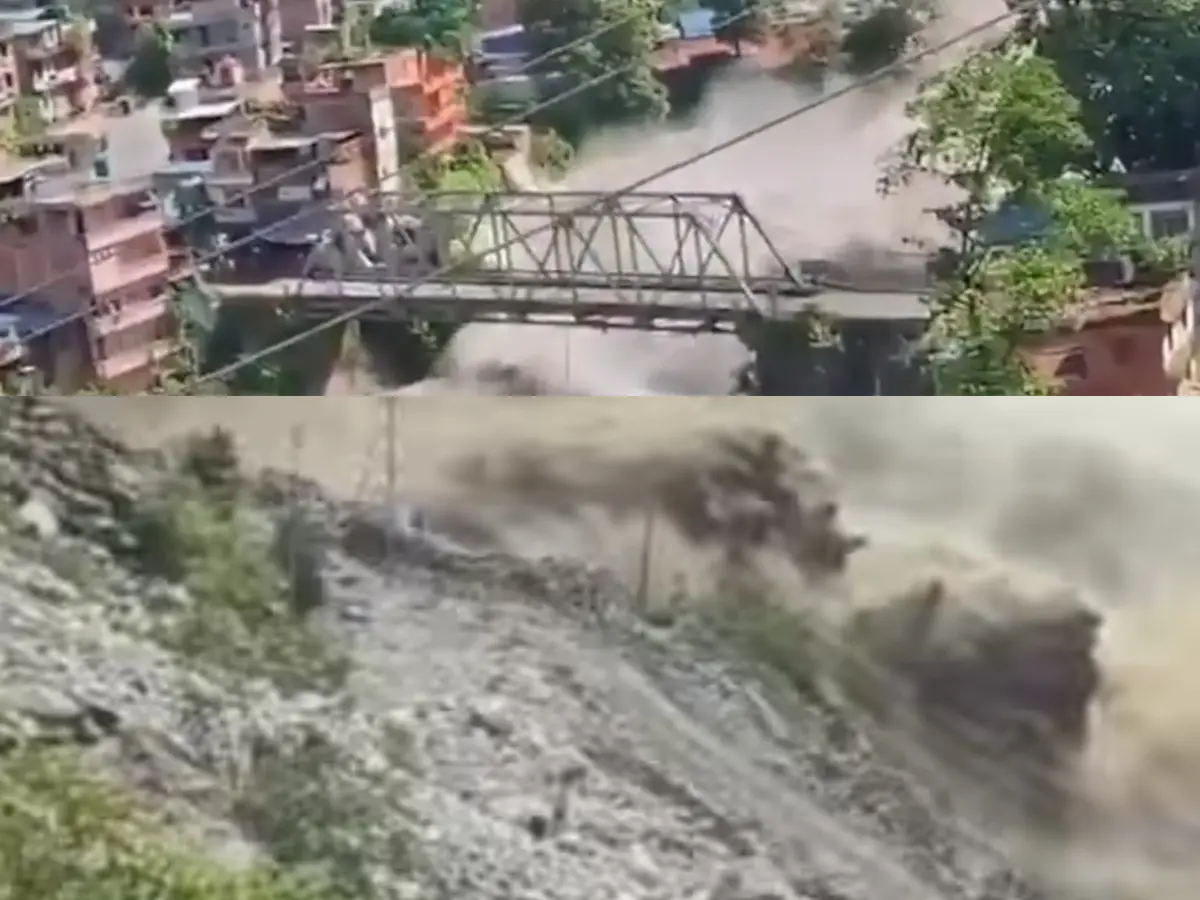
A huge flash flood moved from the Tibetan region of China into Nepal through the Bhote Koshi River.
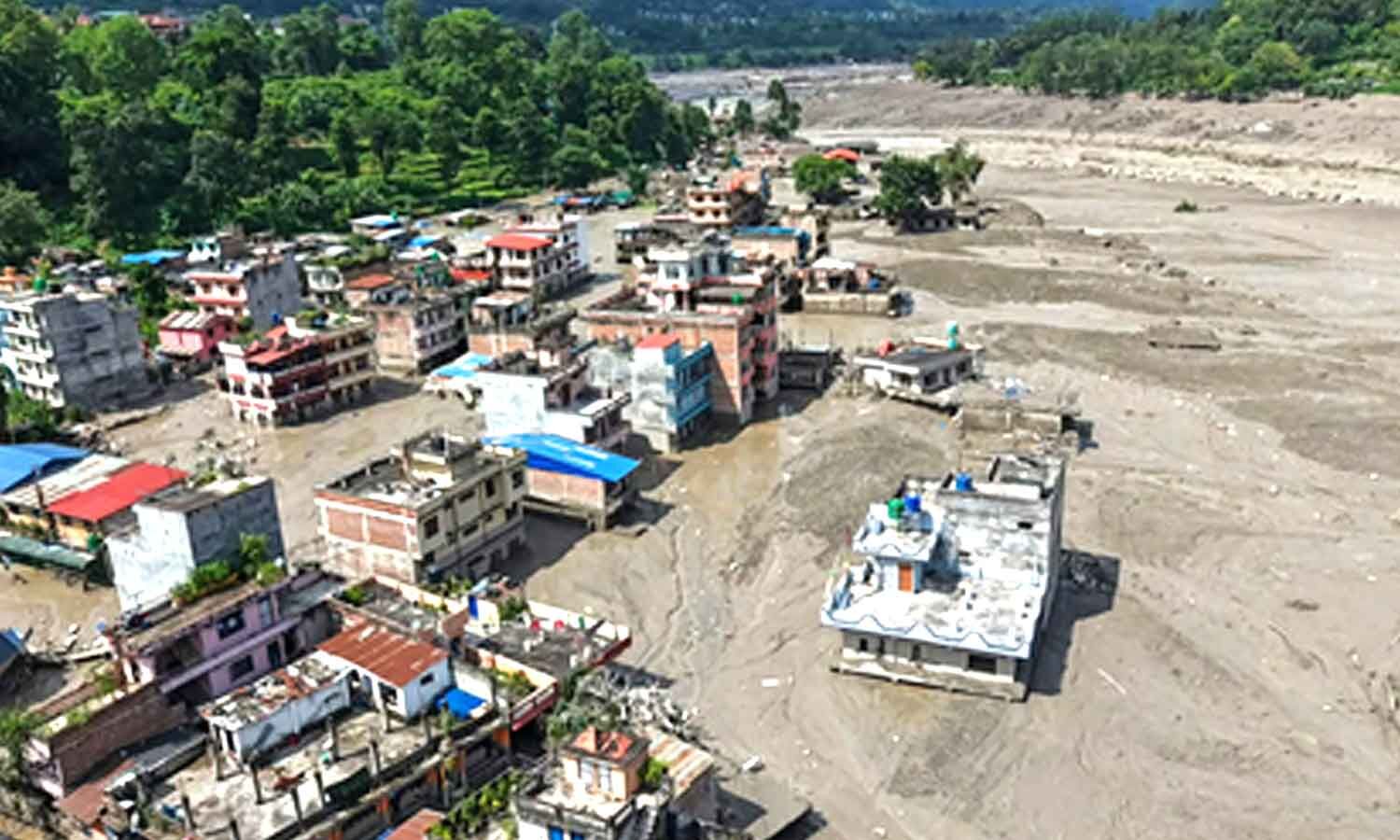
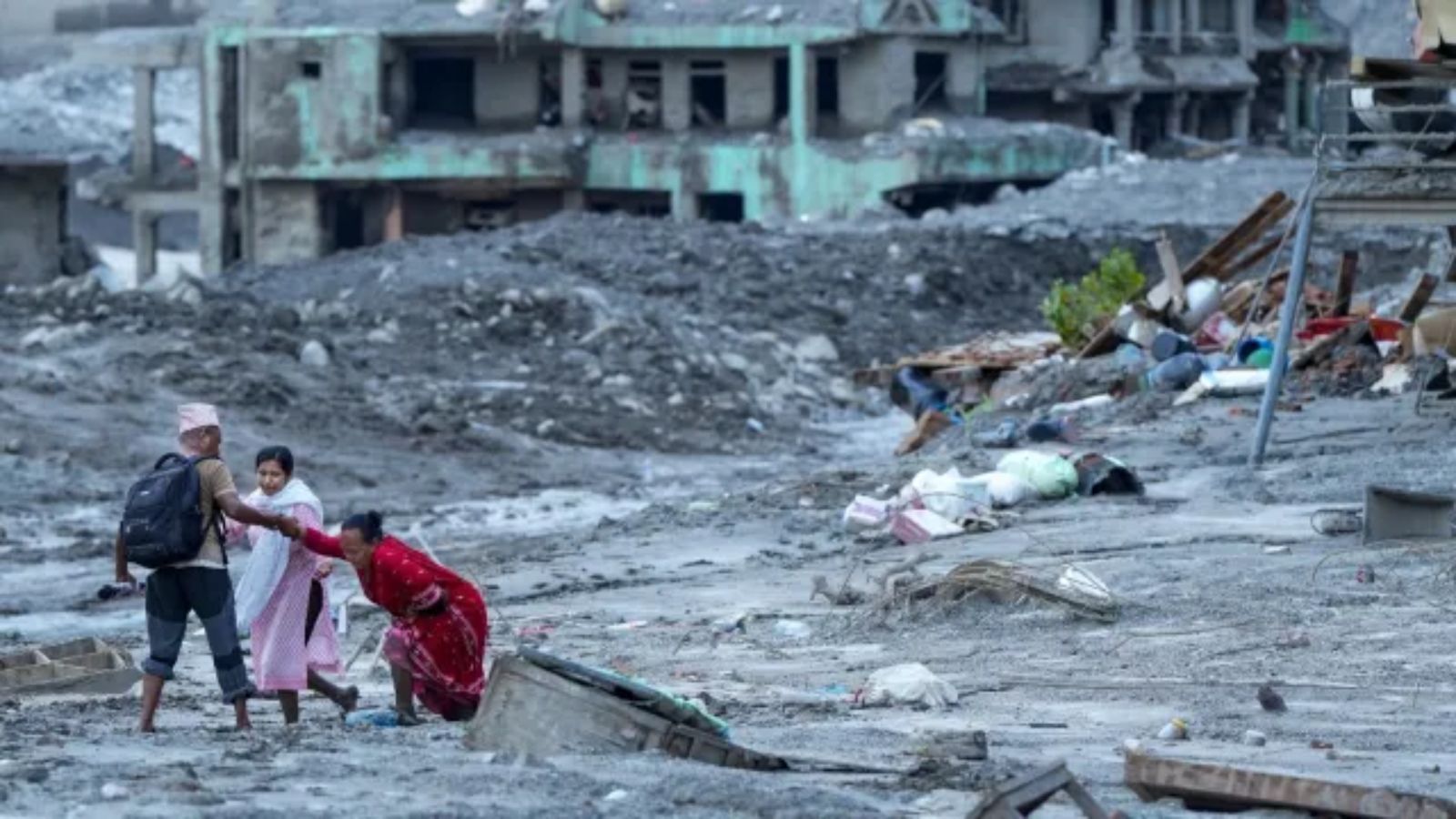
It caused many deaths and damaged roads, bridges, offices and other buildings.
Nepal’s Prime Minister’s Office later said 95 bodies had been recovered by Wednesday evening.
Earlier that day, police had reported that 19 bodies had been recovered, so officials were still collecting and identifying information.
Many soldiers, police officers and other workers could not be contacted.
Hundreds of foreign and Nepali tourists were also reported out of contact.
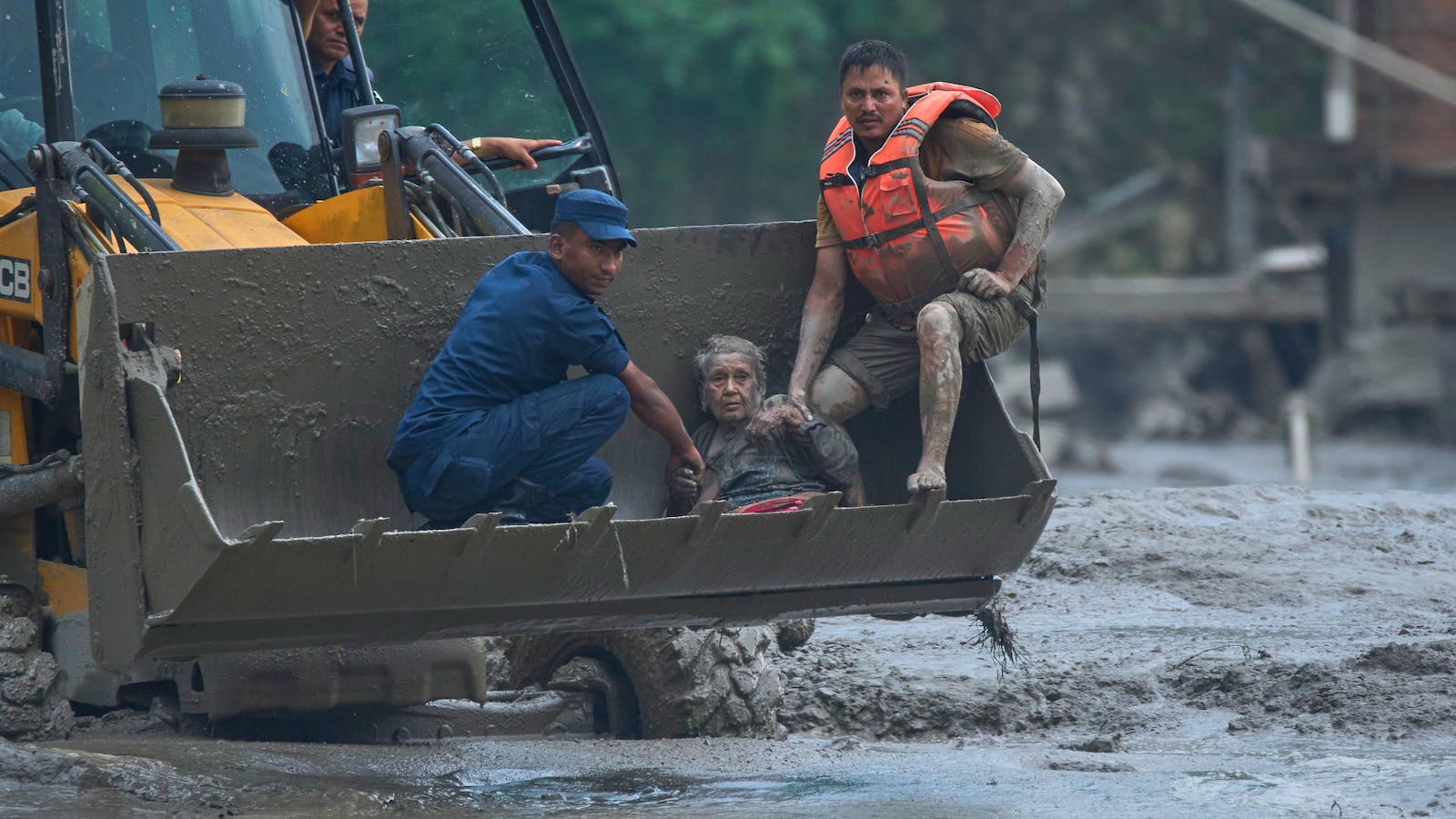
Rescue teams used security agencies and other groups to search for people and provide relief.
Officials warned people near the river to stay in safe places.
Some areas received disaster status so more help could be organized.

Nepal’s Prime Minister’s Office said 95 bodies had been recovered by Wednesday evening, while police had reported 19 deaths by late afternoon.
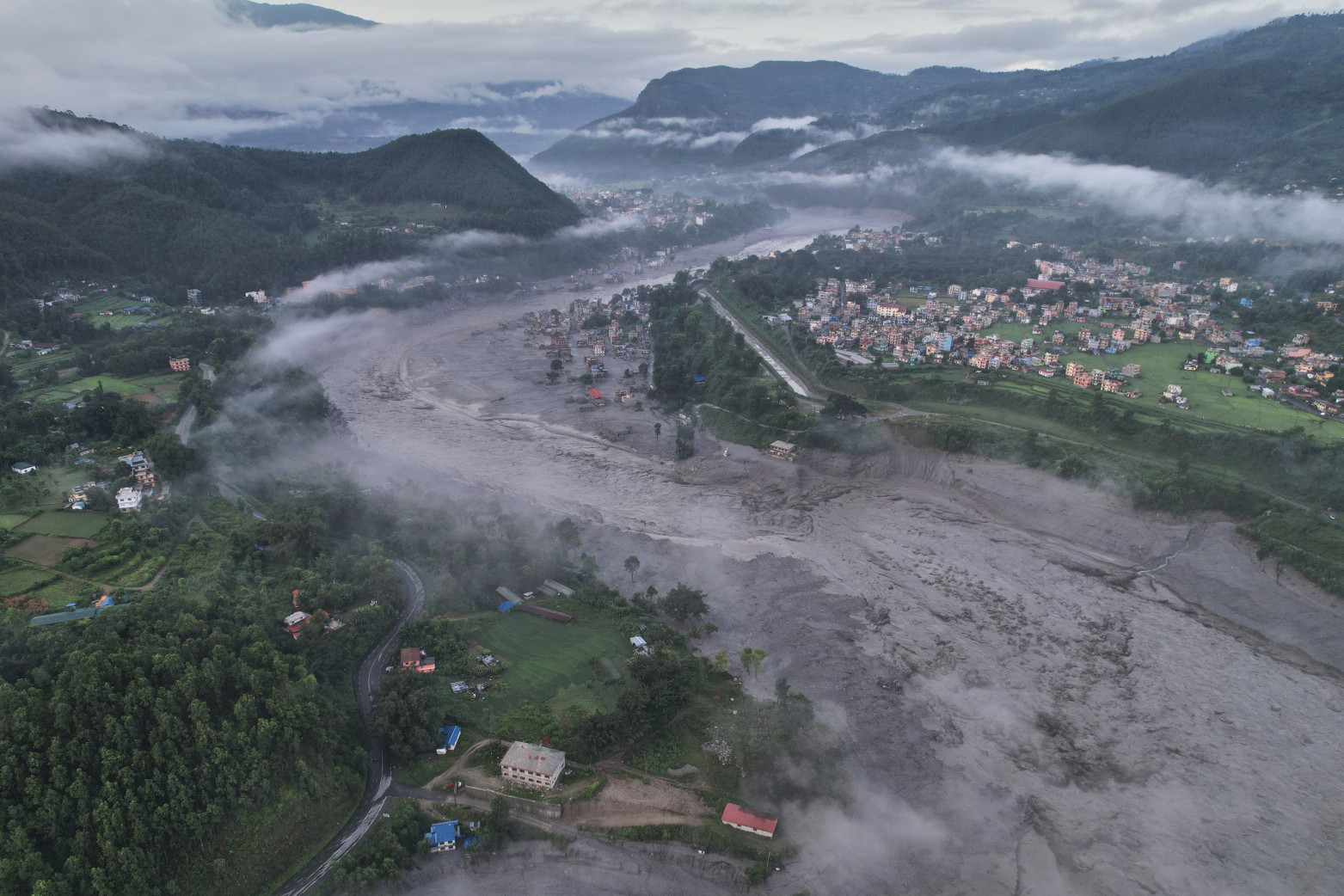
The flood originated in China’s Tibetan region and swept through Nepal’s transboundary Bhote Koshi River.
Forty-four Nepal Army personnel, 28 police personnel, 13 Armed Police Force personnel and hundreds of tourists remained out of contact.
The disaster damaged at least 19 motorable bridges and 40 kilometers of paved roads, especially in Rasuwa near the China border.
Nepal deployed security agencies for rescue operations and placed parts of Rasuwa, Nuwakot and Dhading under disaster crisis status.
- Who
- People in Nepal, including residents, security personnel, tourists, hydropower workers and government employees, were affected; Nepalese authorities led rescue and relief efforts.
- What
- A massive flash flood swept through the transboundary Bhote Koshi River, killing at least 19 people according to police and 95 according to the Prime Minister’s Office, while leaving many others out of contact.
- Where
- The flooding affected Nepal’s border region with China, particularly Rasuwa and areas connected to Nuwakot and Dhading, along the Bhote Koshi River.
- When
- The flood struck Wednesday morning; the Prime Minister’s Office reported 95 recovered bodies by 7 p.m., while police reported 19 bodies by late Wednesday afternoon.
- Why
- The flood originated in China’s Tibetan region; police said the earlier flood may have been triggered by an ice avalanche.
Key facts
- Reported deaths
- The Prime Minister’s Office said 95 bodies had been recovered by 7 p.m.; police had reported 19 bodies by late Wednesday afternoon.
- Security personnel out of contact
- Forty-four Nepal Army personnel, 28 Nepal Police personnel and 13 Armed Police Force personnel remained out of contact.
- Tourists out of contact
- The government reported 391 foreign tourists and 93 Nepali tourists out of contact.
- Other missing workers
- Sixty hydropower employees, along with some Rasuwagadhi Customs Office and Immigration Office employees, were also unaccounted for.
- Infrastructure damage
- At least 19 motorable bridges and 40 kilometers of paved roads were damaged.
- Affected districts
- Parts of Rasuwa, Nuwakot and Dhading were declared disaster crisis-hit areas.
- Rescue response
- The government mobilized security agencies and other bodies for search, rescue and relief operations.
Quotes
Secretariat of Finance Minister Dr. Swarnim Wagle
The finance minister’s secretariat, reporting international commitments and assistance for flood response.
“Soon after news of the flooding emerged, at around 10:35 a.m., World Bank Country Director for Nepal David Sislen informed Finance Minister Dr. Swarnim Wagle that emergency assistance of up to NPR 25 billion could be mobilized from various sources.”
 thehansindia.com
“Nepal’s southern neighbour, India, has asked the government to provide a list of essential relief materials urgently needed for flood victims. China has also decided to provide immediate cash assistance.”
thehansindia.com
Sources
Related news
Nepal Flash Flood Death Toll Reports Diverge as Rescue Continues

Nepal Flood Death Toll Reaches 469, 977 Still Missing
Nepal Flood Death Toll Reaches 675 as Thousands Remain Missing
Nepal Flash Flood Death Toll Conflicts as Hundreds Remain Missing

Nepal Floods Kill 175 as Hundreds Remain Missing
Nepal-Tibet Flash Flood Leaves Dead, Hundreds Missing

Nepal Thanks India as Glacial Disaster Rescue Efforts Continue
Nepal Warns of Heavy Rain After Deadly Floods
Nepal Flood Exposes Delayed Alerts and Cross-Border Warning Gaps
India to Rebuild Nepal School After Principal Saves 1,600
Maharashtra Mountaineers Join Search for Missing Nepal Trekkers
