2 hrs ago
Assam Hosts ISRO Radar Centre to Track Space Objects
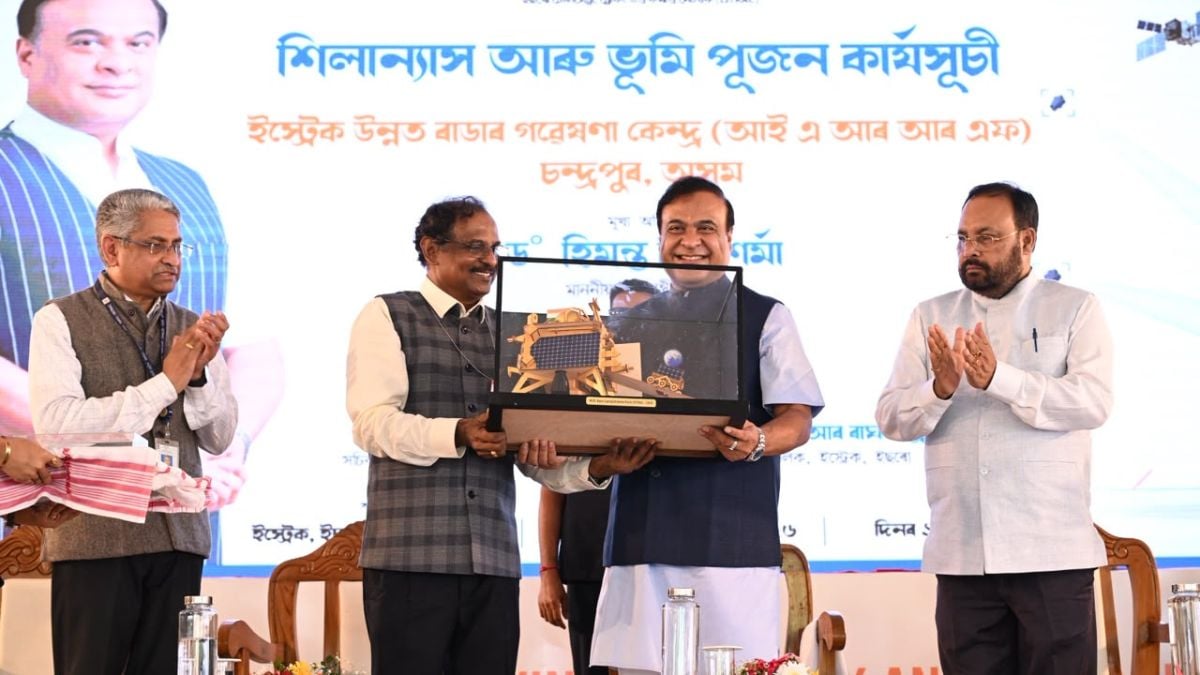
Assam is giving ISRO land to build a new radar research centre.
The centre will study objects moving in space.
It will also help scientists understand rainfall, floods and other natural disasters.
Its special radar can scan objects as small as 10 centimetres.
It can track objects from as far away as 2,000 kilometres.
The centre will watch satellites, space debris and other space objects.
It is part of a larger project called Project NETRA.
The first radar for studying clouds is expected by February 2027.

Assam has allocated 70 acres in Chandrapur for ISRO’s Advanced Radar Research Centre.
The facility is part of Project NETRA, India’s space situational awareness initiative.
Its phased array radar will detect objects as small as 10 centimetres from distances up to 2,000 kilometres.
The centre will track satellites, space debris and other objects while strengthening India’s ground-based radar network.
The first radar, intended for cloud research, is expected to be operational by February 2027.
- Who
- The Indian Space Research Organisation, Assam Chief Minister Himanta Biswa Sarma and ISRO chairperson V Narayanan are involved.
- What
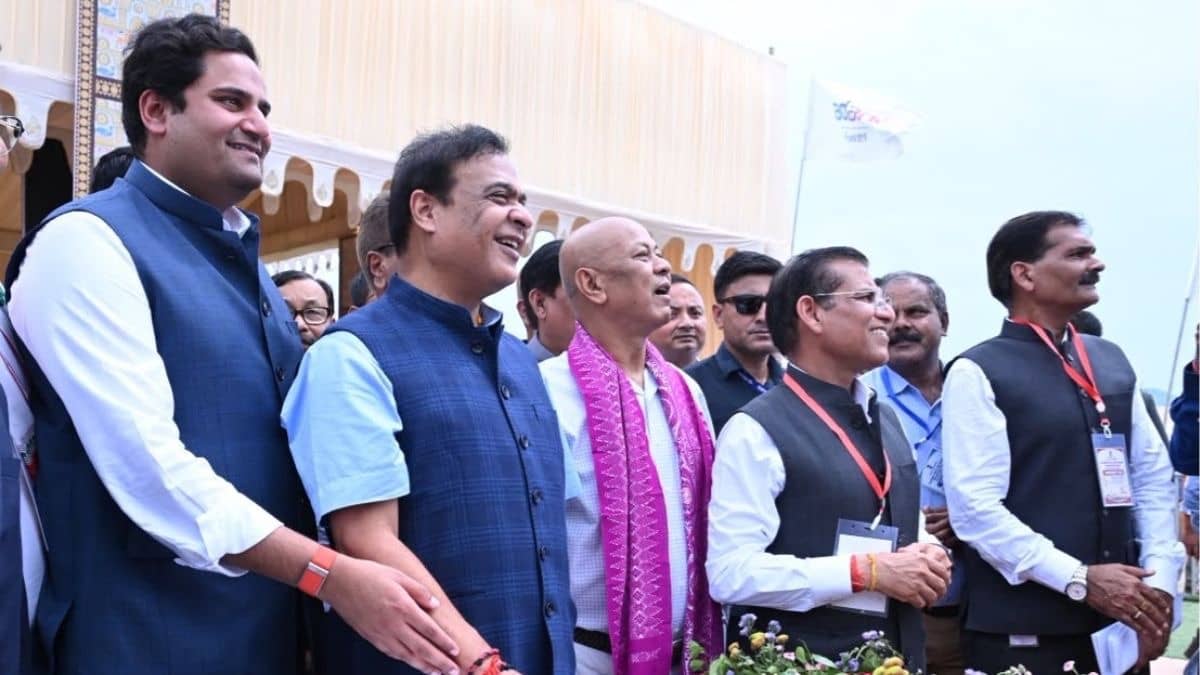
- A foundation was laid for ISRO’s Advanced Radar Research Centre.
- Where
- The centre will be built on 70 acres in Chandrapur, Assam.
- When
- The foundation was laid on Monday; the first radar is expected by February 2027.
- Why
- It is intended to improve space-object tracking, protect space assets, and provide timely information on rainfall, floods and other disasters.
Key facts
- Facility
- ISRO Advanced Radar Research Centre
- Location
- Chandrapur, Assam
- Allocated land
- 70 acres
- Programme
- Project NETRA
- Radar capability
- Can scan objects as small as 10 centimetres
- Tracking range
- Up to 2,000 kilometres
- First radar
- Cloud-research radar expected by February 2027
Quotes

Himanta Biswa Sarma
Chief Minister of Assam
“As part of Project NETRA, this facility will strengthen India’s ability to track objects in space and protect our vital space assets. For a state once considered far from India’s major centres of technology, it is deeply satisfying to see Assam today becoming home to such cutting-edge national infrastructure.”
 theprint.in
“This centre will help us scientifically study how the happenings in space would influence happenings in our country. We will be able to get timely information on rainfall, floods, and other natural disasters or calamities.”
theprint.in
Sources
Related news

ISRO Advanced Radar Centre Planned for Assam Under NETRA

Odisha Inaugurates Third Doppler Radar To Strengthen Weather Forecasting
India Expands Doppler Radar Network With Sambalpur Facility
NISAR's Nepal Flood Silence Raises Questions About Disaster Readiness

ICEYE Establishes India Entity, Plans Local Satellite Manufacturing

ISRO Targets Six More Launches After EOS-05 Success
Adani Power Begins Assam’s 3,200 MW Thermal Project

Celebrity-Approved Wildlife Safari Destinations Across India Highlighted

India Links Rhino Recovery to Grassland Protection and Restoration
Patna High Court Flags Security Lapses in Assam-Bihar Narcotics Smuggling