1 week ago
Meta Trial Could Set Price for 3,137 Social-Media Cases

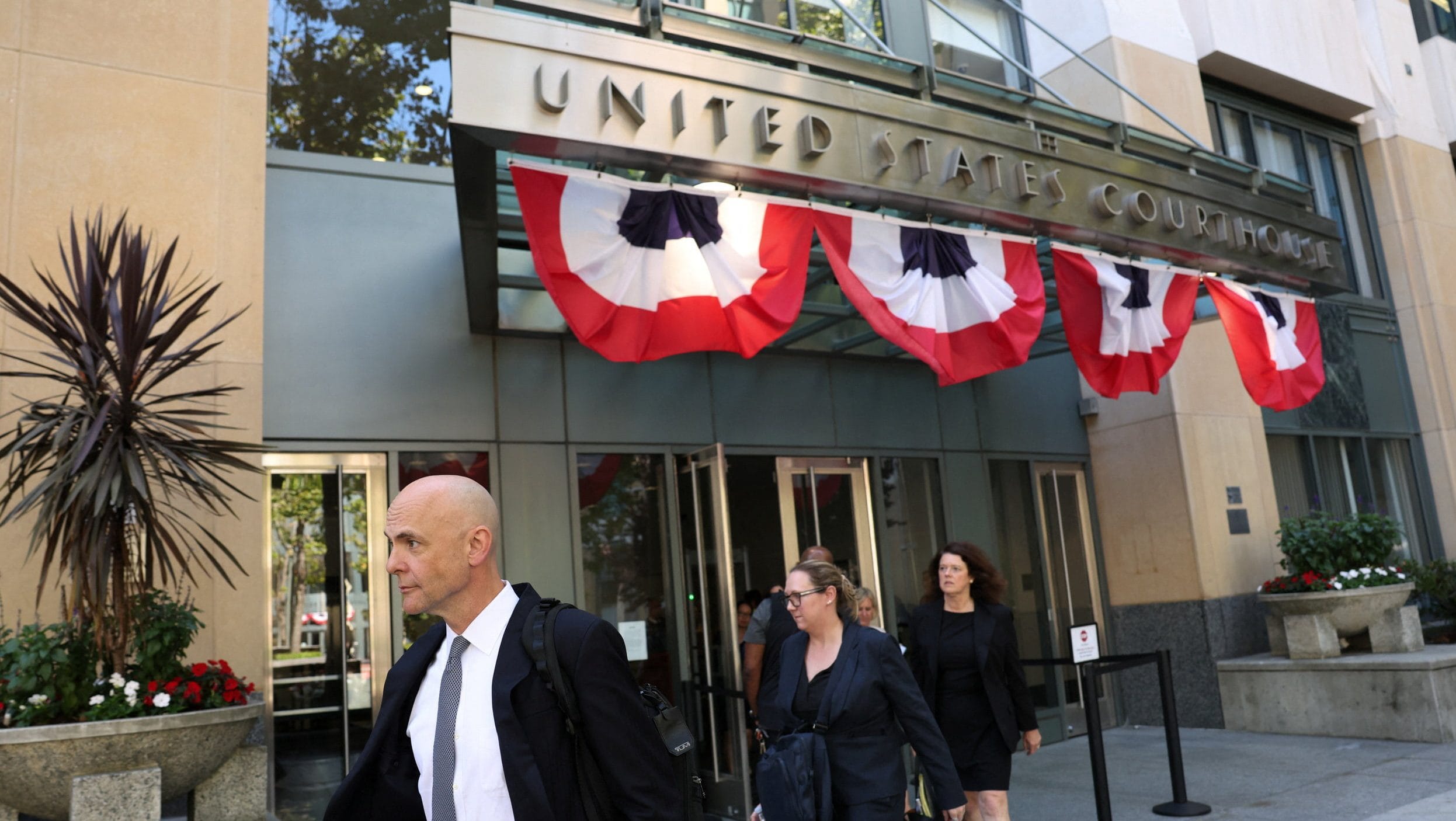
A court in Oakland is hearing a case involving Meta and social-media use by teenagers.
It is called a bellwether case because thousands of similar claims are waiting behind it.
The result may help both sides estimate how much the other cases are worth.
A state attorney general is arguing that Meta used unfair or deceptive designs.
This argument does not require proving that Meta caused a specific child’s medical injury.
School districts and families have different cases waiting in the same group.
Families may still need to prove that social media caused particular harm to particular young people.
The decision could also affect other companies that use similar social-media features.

The Oakland trial before Judge Yvonne Gonzalez Rogers is the first jury trial among 3,137 claims in a multidistrict litigation over adolescent social-media addiction.
The state attorney general case focuses on whether Meta’s platform design was unfair or deceptive and whether the company knew about alleged risks.
School districts and individual families are waiting behind the bellwether case, but their claims seek different forms of compensation and face different evidentiary challenges.
A ruling for Meta or limited relief could reduce settlement values and weaken the financial incentives for plaintiffs’ firms to continue the litigation.
The case could influence how other platforms approach features such as infinite scroll, autoplay, recommendation systems, ephemeral content and beauty filters for minors.
- Who
- The state attorney general, Meta, Judge Yvonne Gonzalez Rogers, school districts and individual families are involved in or affected by the litigation.
- What
- A bellwether jury trial is examining allegations that Meta’s social-media designs were unfair or deceptive for adolescents.
- Where
- The trial is taking place in Oakland before Judge Yvonne Gonzalez Rogers.
- When
- The articles do not specify when the trial is taking place.
- Why
- The case is being used to help assess the value and legal direction of 3,137 related claims.
Plaintiffs’ Arguments
Meta’s Defense
Platform design and legality
Plaintiffs’ Arguments
The state argues that Meta’s design features were unfair or deceptive for adolescents and that the company knew about the risks.
Meta’s Defense
Meta argues that the documentary evidence is based on cherry-picked internal material and has already forced the states to narrow their theory.
Causation and adolescent harm
Plaintiffs’ Arguments
The state’s consumer-protection theory seeks to show unlawful design and knowledge without proving that the platform caused a specific young person’s specific medical injury.
Meta’s Defense
Meta can argue that the research does not resolve whether social media causes adolescent depression or whether depressed adolescents use more social media.
Effect of the verdict
Plaintiffs’ Arguments
A finding that Meta’s conduct was unlawful could strengthen the school-district and family claims waiting behind the case.
Meta’s Defense
A defense victory or modest relief could lower the value of the remaining claims, increase Meta’s settlement leverage and lead plaintiffs’ firms to reconsider continued litigation.
Key facts
- Claims behind the trial
- 3,137 claims are waiting in the multidistrict litigation.
- Case type
- The trial is a bellwether case, intended to guide settlement negotiations in similar claims.
- Plaintiff type
- The case is described as the first state attorney general case from the litigation pool to reach a jury.
- Other plaintiffs
- School districts and individual families have related claims waiting behind the trial.
- Central legal theory
- The state argues that Meta’s platform design was unfair or deceptive and that Meta knew about the alleged issues.
- Key defense issue
- Meta contests the plaintiffs’ evidence and maintains a causation defense involving the relationship between social-media use and adolescent depression.
- Industry relevance
- The ruling could influence platforms using infinite scroll, autoplay, engagement-optimized recommendations, ephemeral content and beauty filters with minors.
Sources
Related news

Teen Drops Social Media Addiction Lawsuit Before October Trial
Meta faces 29 states in landmark youth social media trial

Meta Youth Safety Trial Could Reshape Social Media Worldwide

Meta and States Discuss Settlement in Teen Social Media Trial
Meta Faces Landmark Trial Over Claims It Hooked Children

Advisory Jury Leaves Meta Trial Decision With One Judge
Meta Teen Safety Settlement Depends on Rival Platforms
Meta Settles U.S. Teen Safety Claims With New Platform Rules

Instagram Chief Defends Teen Safety Data In Meta Trial

Instagram Head Testifies in Meta Child Social Media Trial