1 week ago
Chinese-Linked Tankers Reverse Course Amid Unresolved Hormuz Tensions

Two large oil ships changed direction near the Strait of Hormuz.
One ship, called the Sea V, was carrying oil from Iraq.
It turned around as it approached the strait.
Tracking information later showed it stopped in the middle of the waterway.
Another ship, the Hestia, entered the Gulf near Oman.
It also turned around and headed back out.
No clear explanation was given for either ship’s decision.
The changes show that ships may still be worried about traveling through the area.
Tensions involving Iran have not eased.

The Sea V reversed course while carrying crude oil from Iraq toward the Strait of Hormuz.
Tracking data reportedly showed the Sea V idling in the middle of the strait.
The Hestia entered the Gulf along Oman before turning back toward open waters.
Neither tanker’s company nor available tracking data explained the course changes.
The reversals suggest shipping risks in the vital waterway remain unsettled amid tensions involving Iran.
- Who
- The supertankers Sea V and Hestia, both described as having Chinese connections.
- What
- The two tankers reversed course near or in the Strait of Hormuz.
- Where
- The Strait of Hormuz and the surrounding Persian Gulf, including waters along the Omani coast.
- When
- The reversals occurred during the week described in the report; the Sea V turned on Tuesday and the Hestia on Wednesday.
- Why
- No clear explanation was provided; the reversals indicate that shipping risks remain unsettled amid tensions involving Iran.
Key facts
- Vessel 1
- Sea V
- Sea V cargo
- Crude oil from Iraq
- Vessel 2
- Hestia
- Sea V status
- Reportedly idling in the middle of the Strait of Hormuz
- Hestia route
- Entered the Gulf along the Omani coast before reversing
- Explanation
- Neither the companies nor tracking data provided a clear reason for the course changes
- Wider context
- Shipping risks through the Strait of Hormuz remain unsettled amid Iran-related tensions
Sources
Related news
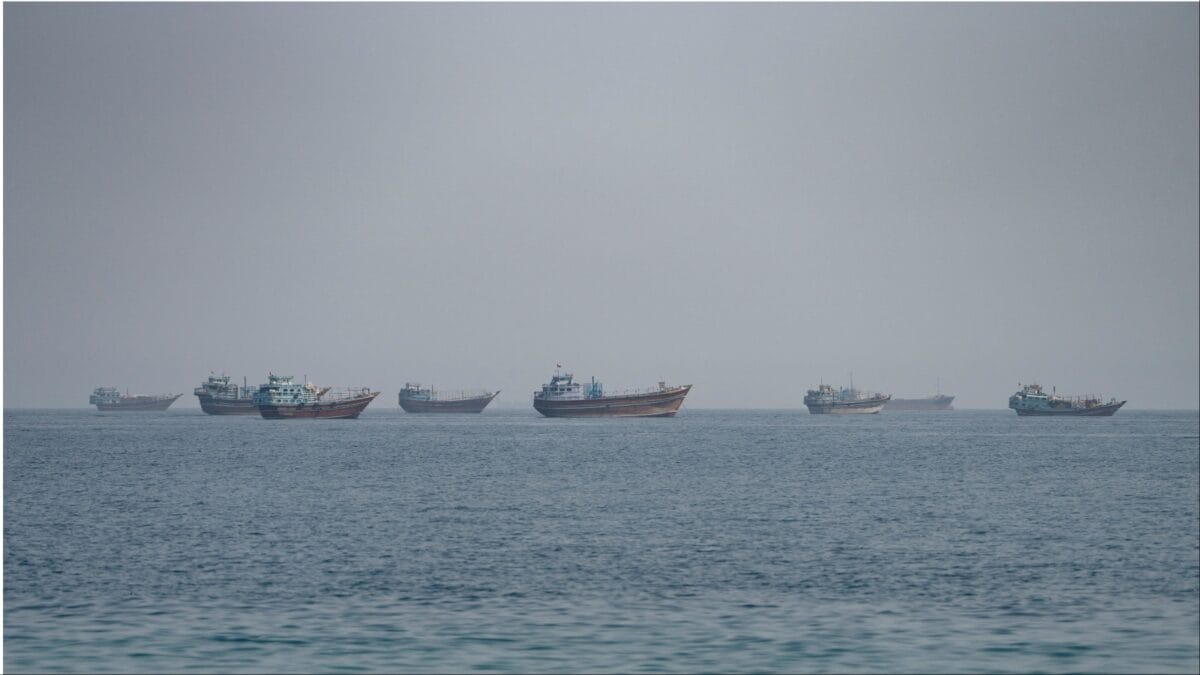
Iranian Warship Reportedly Warns Indian Tanker Off Hormuz Route

Tanker Hit by Three Unknown Projectiles Near Strait of Hormuz

Hormuz traffic dwindles as markets watch Iran-Oman talks
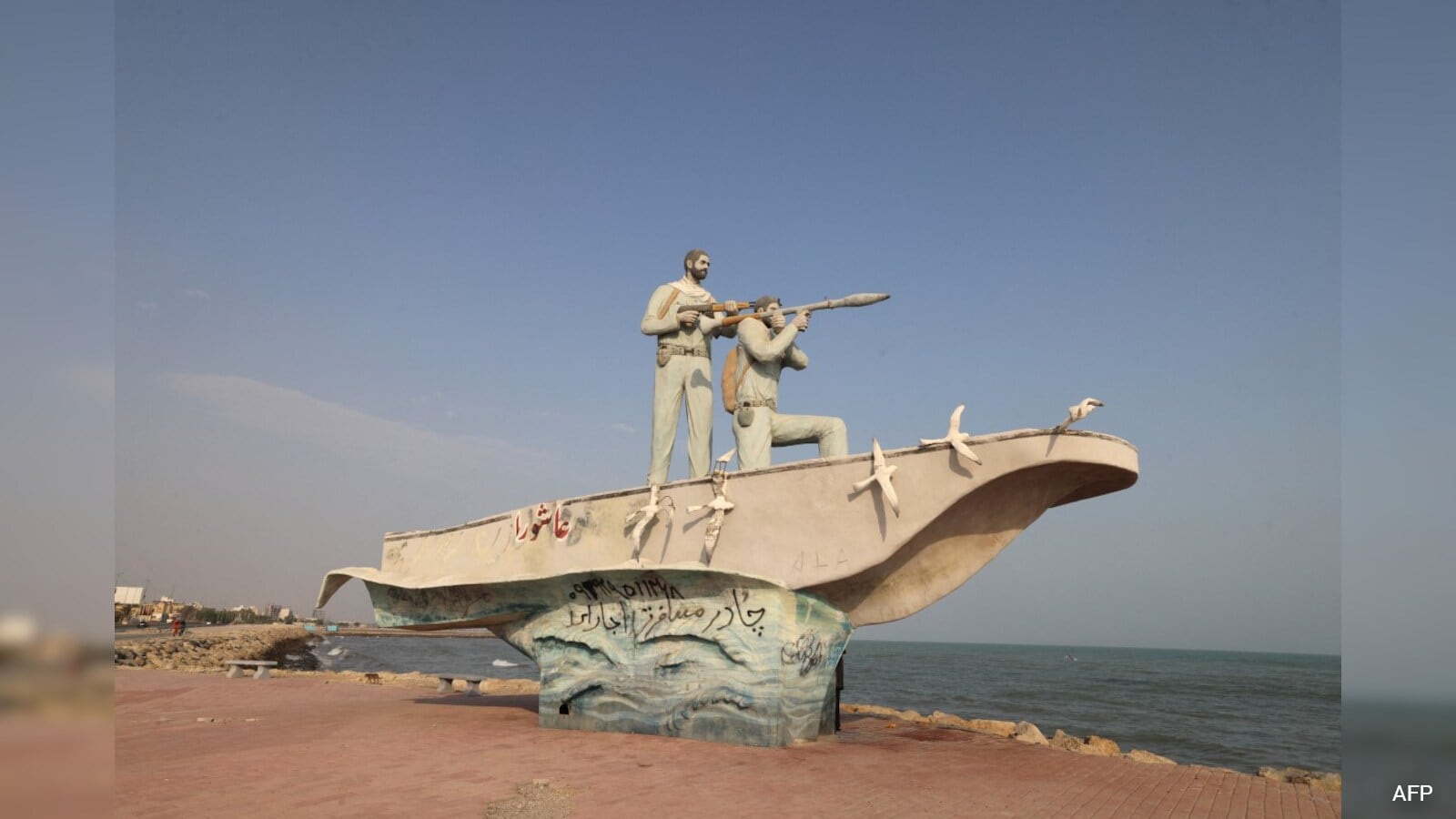
Ships Shift to Omani Route as Iran’s Hormuz Grip Slips

Hormuz Shipping Traffic Plunges 95% Amid Iran War
Saudi Arabia Says Iranian Tanker Attack Killed Two Sailors
U.S.-Iran Exchange Escalates Across Middle East, Markets Slide
Trump Aides Seek Quiet Iran War Before Midterm Elections
US Warns Middle East Travelers Amid Escalating Iran-Linked Tensions

Indian Stocks Slide as Oil, Conflict and Yields Rise