1 hr ago
India Delays Approval for Bangladesh’s Next High Commissioner
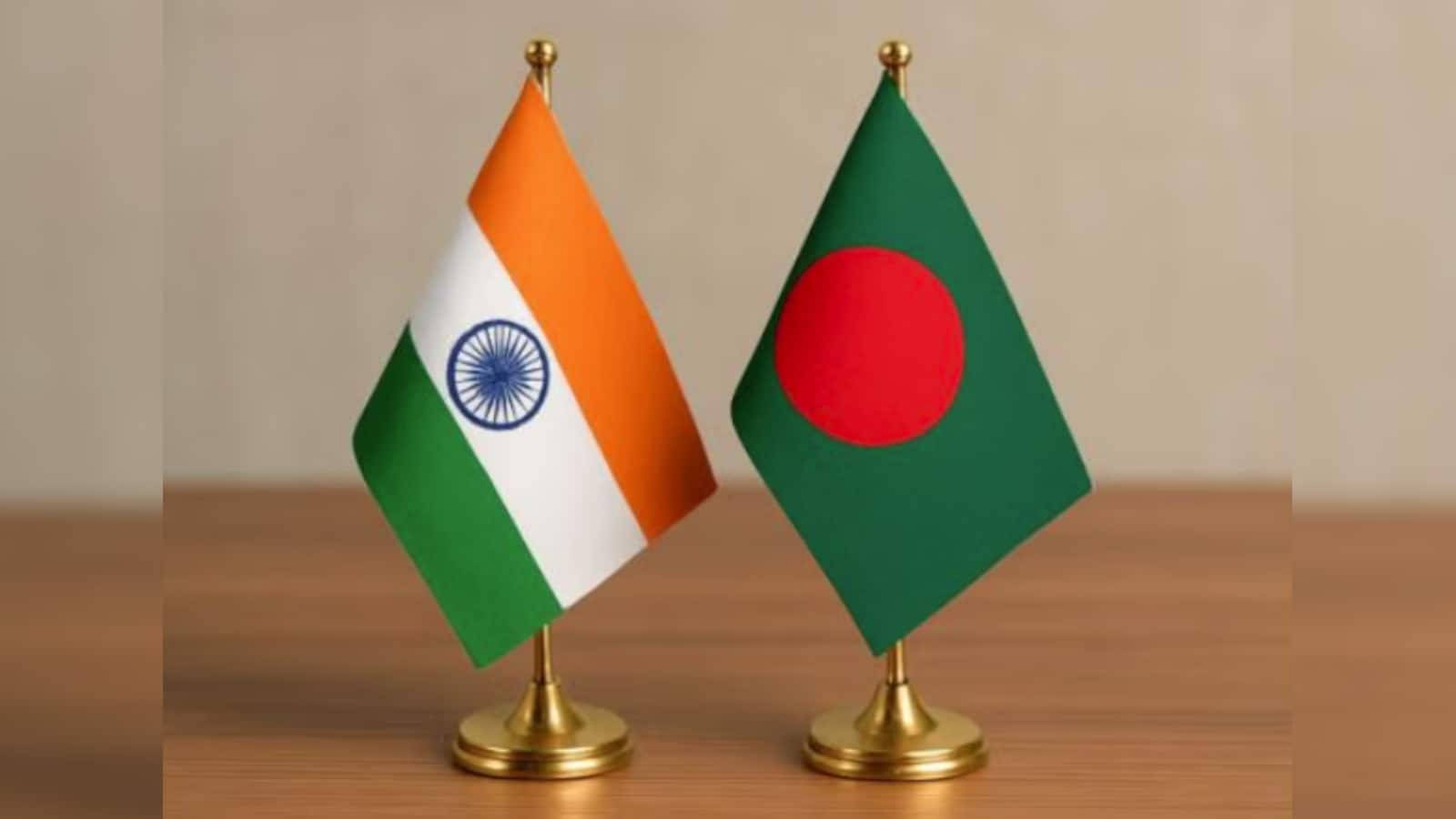
Bangladesh wants Asad Alam Siam to become its new top diplomat in India.
India must approve him before he can officially take the job.
More than a month has passed, but India has not given that approval.
This is happening while Bangladesh’s current diplomat is preparing to leave for a new post in Geneva.
The two countries have also had disagreements over visits, meetings, and former Bangladeshi leader Sheikh Hasina.
However, their officials are still working together on trains and other technical matters.
India has also sent a new senior diplomat to Bangladesh.
This means the relationship is tense at the political level, but some practical cooperation continues.

India has not approved Bangladesh’s nomination of Foreign Secretary Asad Alam Siam as its next High Commissioner in New Delhi.
The delay comes as current High Commissioner M. Riaz Hamidullah prepares to move to Geneva for a new diplomatic assignment.
Relations have also been strained by cancelled visits, a skipped BRICS summit, and tensions involving former Prime Minister Sheikh Hasina.
Despite political friction, officials recently held railway-connectivity talks and revived several technical working groups.
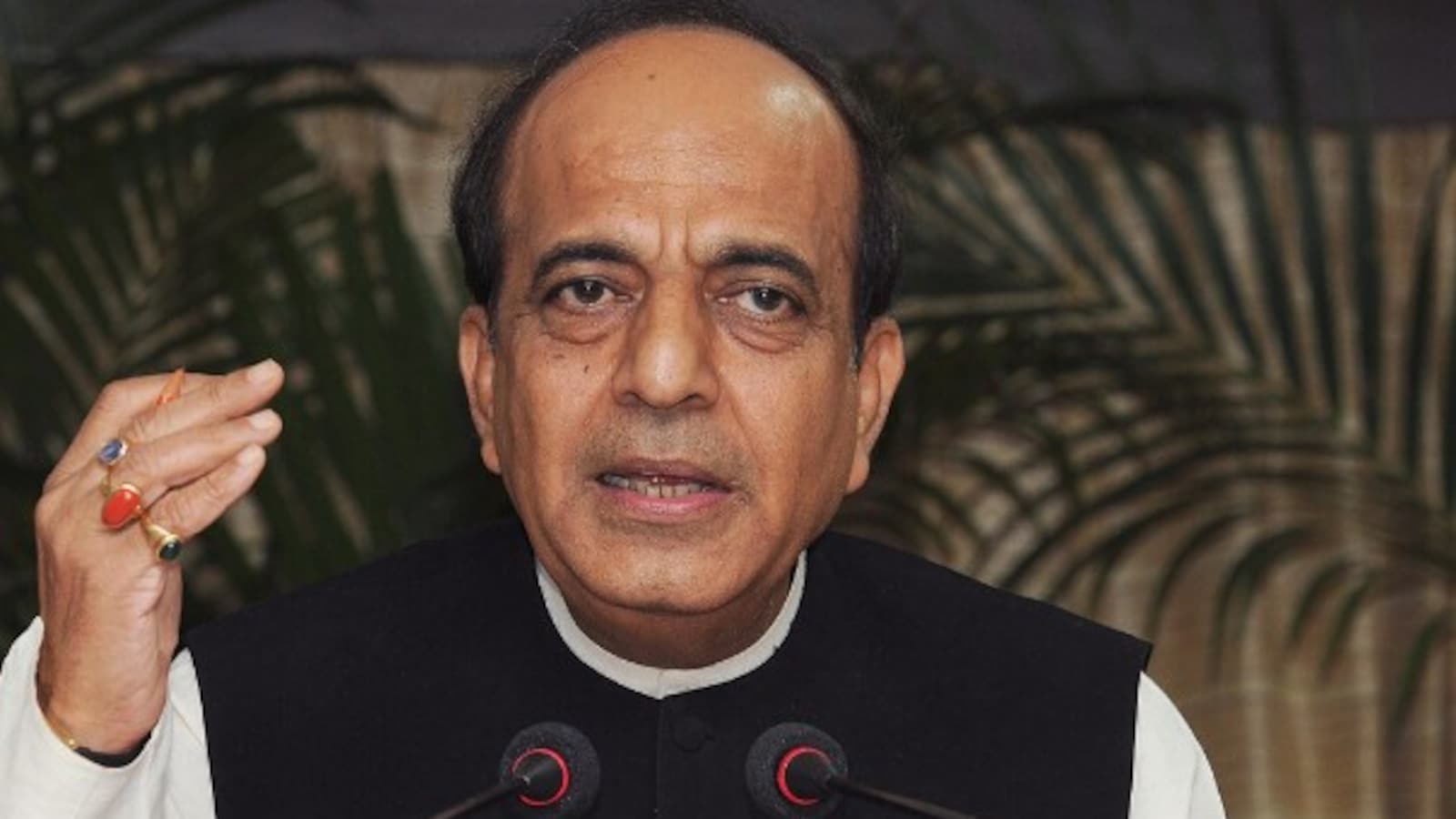
India appointed Dinesh Trivedi as its High Commissioner to Bangladesh in June, with Cabinet rank.
- Who
- The governments of India and Bangladesh, including Bangladesh’s nominee Asad Alam Siam and India’s High Commissioner Dinesh Trivedi.
- What
- India has not yet approved Bangladesh’s choice of Asad Alam Siam as its next High Commissioner to New Delhi.
- Where
- The diplomatic dispute concerns Bangladesh’s mission in New Delhi, while related railway talks took place in Dhaka.
- When
- More than a month after Bangladesh submitted the nomination; current High Commissioner M. Riaz Hamidullah is expected to leave around mid-October.
- Why
- The delay comes amid broader political tensions between India and Bangladesh, although the articles do not state India’s specific reason for withholding approval.
Signals of Diplomatic Tension
Evidence of Continued Cooperation
Pending High Commissioner approval
Signals of Diplomatic Tension
India’s continued silence over Asad Alam Siam’s nomination is viewed as another sign of strained political relations.
Evidence of Continued Cooperation
Under diplomatic rules, silence is not formally a rejection, and the articles do not identify India’s reason for delaying approval.
Political-level engagement
Signals of Diplomatic Tension
Cancelled visits, Bangladesh’s absence from the BRICS summit, and disputes involving Sheikh Hasina suggest that high-level ties remain troubled.
Evidence of Continued Cooperation
Both countries continue to maintain diplomatic channels and have not halted all engagement.
Practical bilateral cooperation
Signals of Diplomatic Tension
Political disagreements have weakened the relationship and complicated broader diplomatic progress.
Evidence of Continued Cooperation
Railway talks and the restart of technical working groups show that day-to-day cooperation is still functioning.
Key facts
- Nominee
- Asad Alam Siam, Bangladesh’s Foreign Secretary and former ambassador to Washington.
- Required approval
- India must grant formal agreement before Siam can officially take up the post.
- Current High Commissioner
- M. Riaz Hamidullah is expected to move to Geneva around mid-October.
- Recent diplomatic setbacks
- Tarique Rahman cancelled a planned August visit to New Delhi and skipped the BRICS Leaders’ Summit there.
- Continuing cooperation
- Officials held a two-day meeting in Dhaka on railway connectivity and cross-border train operations.
- India’s appointment
- Dinesh Trivedi became India’s High Commissioner to Bangladesh at the end of June and was given Cabinet rank.
- Background tension
- Relations deteriorated after Sheikh Hasina was ousted in August 2024 and went to India.
Sources
Related news
Column Alleges Official Divisions Over India-Bangladesh Ties and Institutions
India-Bangladesh Reset Hinges on Extradition, Borders and Water
India Keeps Door Open to Normalise Bangladesh Ties
Bangladesh Sets National Interests for Uncertain Rahman India Visit
Bangladesh Puts Tarique Rahman’s India Visit on Indefinite Hold
Tarique Rahman’s India Visit Hinges on Trust
Dhaka University Probes Jinnah Photo Display After Student Backlash
Bengal Man Granted Bail After 87 Days Over Citizenship Doubt
Bandi Sanjay Kumar Calls Congress, BRS Leaders Drama Artists
Jalil Akhtar Released After Detention Over Citizenship Suspicion