3 hrs ago
Guterres Urges AI Curbs, Peace and UN Reform

Antonio Guterres gave his final speech as head of the United Nations.
He asked countries to work together to make artificial intelligence safer.
He said nations developing powerful AI should share information about possible dangers.
He also asked countries to stop wars and allow humanitarian aid to reach people.
Guterres called for calmer relations in the Middle East.
He supported a two-state solution for Israelis and Palestinians.
He urged action on climate change, including making polluters pay.
He said the United Nations needs reforms because its institutions are under growing pressure.
His second term ends on December 31.

UN Secretary-General Antonio Guterres used his final General Assembly address to call for AI regulation, an end to wars and stronger climate action.
He urged countries developing AI to share safety information, cooperate on testing and pursue common safeguards with independent oversight.
Guterres called for Middle East de-escalation, continued humanitarian aid and restored navigational rights under international law.
He defended a two-state solution for Israelis and Palestinians and urged polluters to pay for climate change.
Guterres said global institutions are under strain and no longer reflect current power realities, as major powers increasingly bypass the United Nations.
- Who
- United Nations Secretary-General Antonio Guterres addressed world leaders at the General Assembly.
- What
- He called for AI safeguards, an end to wars, climate action and reforms to international institutions.
- Where
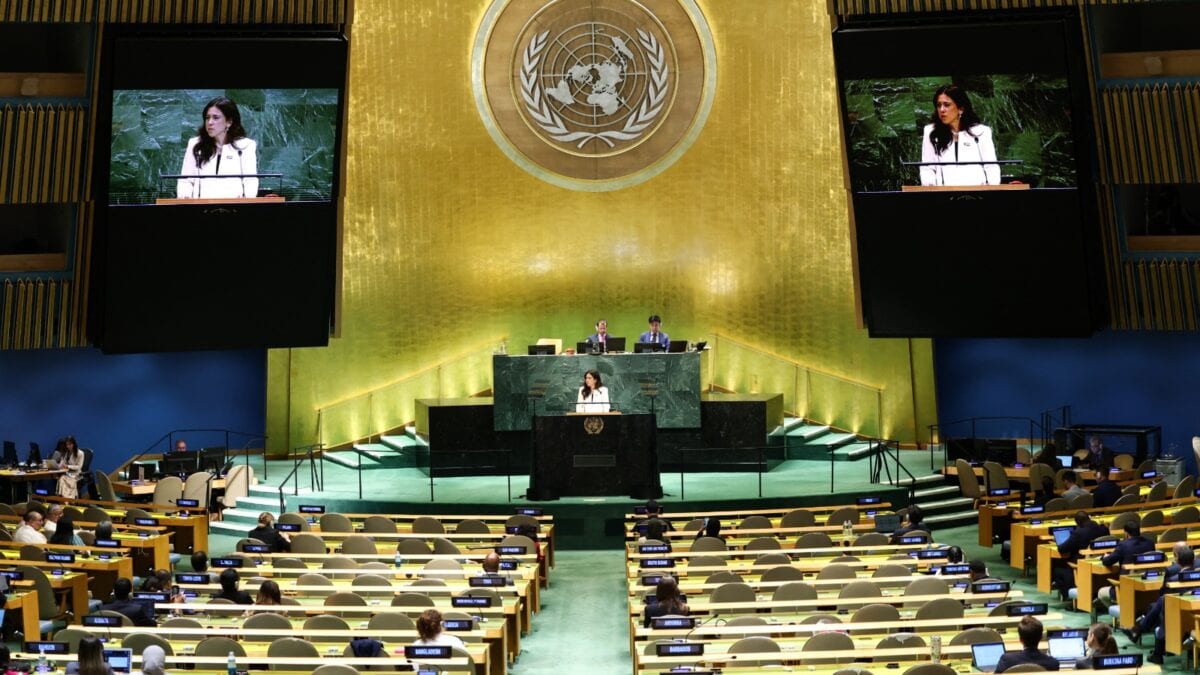
- The speech was delivered at the United Nations General Assembly in New York.
- When
- The address took place on Tuesday, September 22; Guterres's second five-year term ends on December 31.
- Why
- Guterres said global challenges are mounting while international institutions are under strain and no longer fully reflect current power realities.
Multilateral Oversight and UN Reform
National or Bilateral Approaches and UN Criticism
Artificial intelligence governance
Multilateral Oversight and UN Reform
Guterres urged countries to share information on emerging AI safety risks, cooperate on testing and evaluation, and develop common safeguards under independent oversight.
National or Bilateral Approaches and UN Criticism
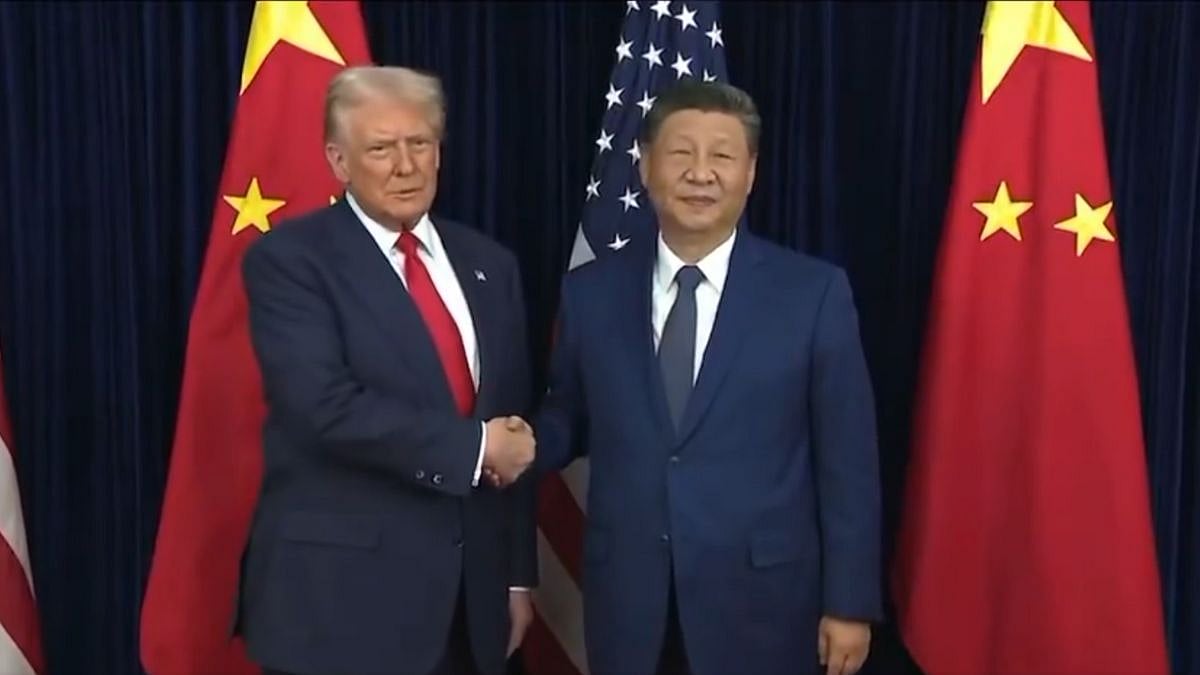
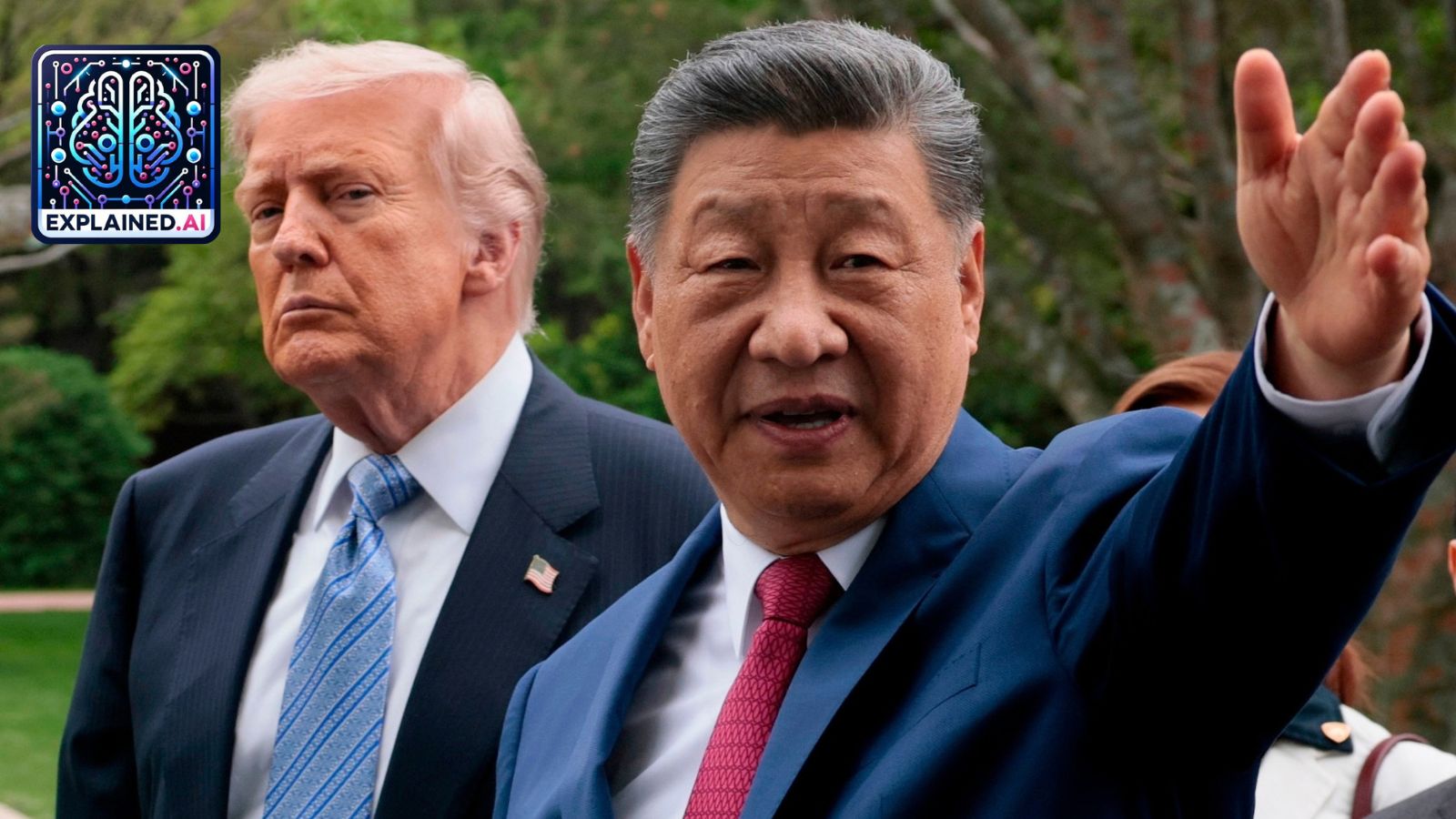
The United States proposed an AI safety notification mechanism for Donald Trump and Xi Jinping to consider, focused on incidents with national-security implications and emerging from talks on a United States-China dialogue.
The role of the United Nations
Multilateral Oversight and UN Reform
Guterres argued that international institutions need reform so collective action can address current global challenges more effectively.
National or Bilateral Approaches and UN Criticism
Donald Trump and others have criticized the United Nations system as bloated and ineffective; the United States has withdrawn from several UN agencies and reduced funding.
Key facts
- Speaker
- Antonio Guterres, United Nations secretary-general
- Occasion
- His final address to the General Assembly as secretary-general
- Term end
- December 31
- AI proposal
- A multilateral AI risk-management framework with credible, independent oversight
- Middle East appeal
- End fighting, allow humanitarian aid and restore navigational rights
- Climate message
- “Polluters must pay” for climate change
- UN concern
- Global institutions reflect the power realities and interests of a largely bygone age
Quotes

Antonio Guterres
United Nations Secretary-General delivering his final General Assembly address
“So, on January 1st, when I am no longer Secretary-General, be sure of this. Wherever I will be, whatever I will be doing – I will keep championing the conviction that peace is possible. I will continue to stand up for the values of the United Nations Charter and I will never, ever give up. Thank you.”
 theprint.in
“Together, let’s send a clear message from this hall: The fighting must stop. Humanitarian aid must flow. And navigational rights and freedoms must be fully restored in accordance with international law.”
theprint.in
Sources
Related news
Sam Altman to Brief UN Security Council on AI Safeguards

UN Rights Chief Warns Advanced AI Could Threaten Humanity
UN Calls for Urgent Action to Rein In AI

Trump Rejects Global AI Controls, Calls Regulation Globalist Scheme
World Leaders Gather at UN to Address Global Crises
UN General Assembly 2026 To Address Iran War, AI, Leadership
US Approves Security for Iran FM as Trump Signals Talks

Rare Earths Give China Leverage at Trump-Xi Summit
US-China AI Dialogue Highlights Divergent Approaches to Frontier Risks

Gold and Silver Prices Rise Across Indian Retail Markets