1 hr ago
India’s Education System Needs Reform to Close Employment Gap

India has many young people who will soon need jobs.
However, many graduates do not learn the skills that employers need.
The article says more than 90% of graduates work in fields unrelated to their degrees.
It argues that India needs stronger colleges, better laboratories, safer hostels and more practical training.
Manufacturing could create many jobs, but it needs skilled workers and investment.
Universities and businesses should work together on areas such as artificial intelligence, biotechnology and semiconductors.
The finance minister has acknowledged that education is not preparing enough students for work or business.
The article welcomes this admission but asks why the government has not acted more strongly during its 12 years in office.
It says future funding and university appointments will show whether reform is serious.

More than 90% of India’s 35 million graduates reportedly work in jobs unrelated to their degrees.
India’s higher-education enrolment has risen about 31% in a decade, while private universities have tripled.
The article argues that manufacturing, supported by stronger technical education, is essential to create enough jobs.
It calls for independent university appointments, better facilities, academic autonomy and closer industry collaboration.
The government’s commitment will be tested by education funding and its choices for leading higher-education institutions.
- Who
- India’s students, graduates, universities, employers and government, including Finance Minister Nirmala Sitharaman.
- What
- The article calls for higher-education reform to improve job readiness and employment.
- Where
- India.
- When
- The discussion refers to employment figures for 2025 and the Narendra Modi government’s 12 years in office.
- Why
- Education and job training are mismatched, while millions of young people enter the job market each year.
Reform and Government Action
Private-Sector-Led Adjustment
Who should drive education reform?
Reform and Government Action
The article argues that the government must provide funding, improve institutions, end political interference in appointments and make higher education more employment-focused.
Private-Sector-Led Adjustment
Nirmala Sitharaman is quoted as saying the government can do little beyond encouraging the private sector until stronger demand prompts investment.
Industry’s role in universities
Reform and Government Action
Greater industry participation should support research, innovation and job preparation, but public universities must remain affordable and retain strong social-science and humanities programmes.
Private-Sector-Led Adjustment
The article says the private sector is likely to invest when demand and incentives make university collaboration commercially attractive.
Key facts
- Graduate employment mismatch
- More than 90% of India’s 35 million graduates reportedly take jobs unrelated to their degrees.
- Higher-education enrolment
- Enrolment has increased by about 31% over the previous decade.
- Private universities
- Private universities have tripled and serve more than two-thirds of students, according to the article.
- Young population
- About 600 million Indians are below age 25.
- Annual job-market entrants
- An estimated 7 to 8 million people enter India’s job market each year.
- Employment by sector
- Agriculture accounted for 43% of employment in 2025, compared with 12.1% for manufacturing.
- Proposed priorities
- The article recommends stronger STEM education, facilities, academic independence and industry-university collaboration.
Sources
Related news

AI May Widen India’s Skills and Jobs Mismatch

Higher Education Adapts to Changing Workforce Skill Demands
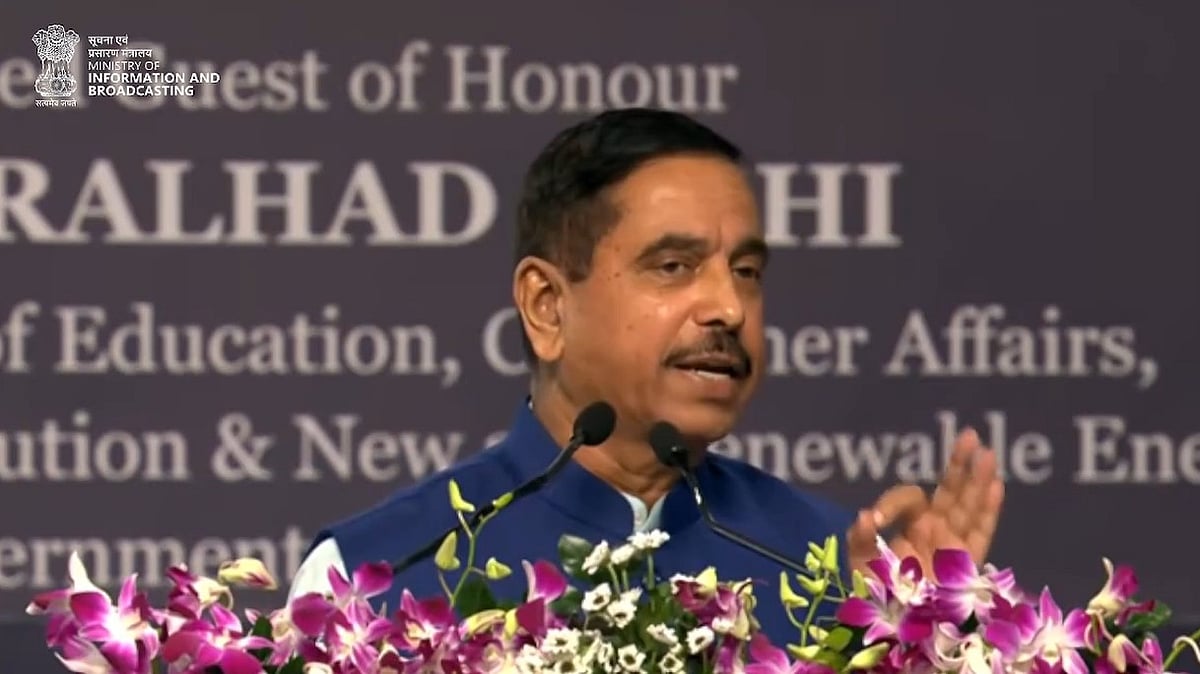
At SRCC Centenary, Joshi Highlights India’s Education Growth

PM SETU Roadmap Seeks Job-Ready Youth Across Indian States
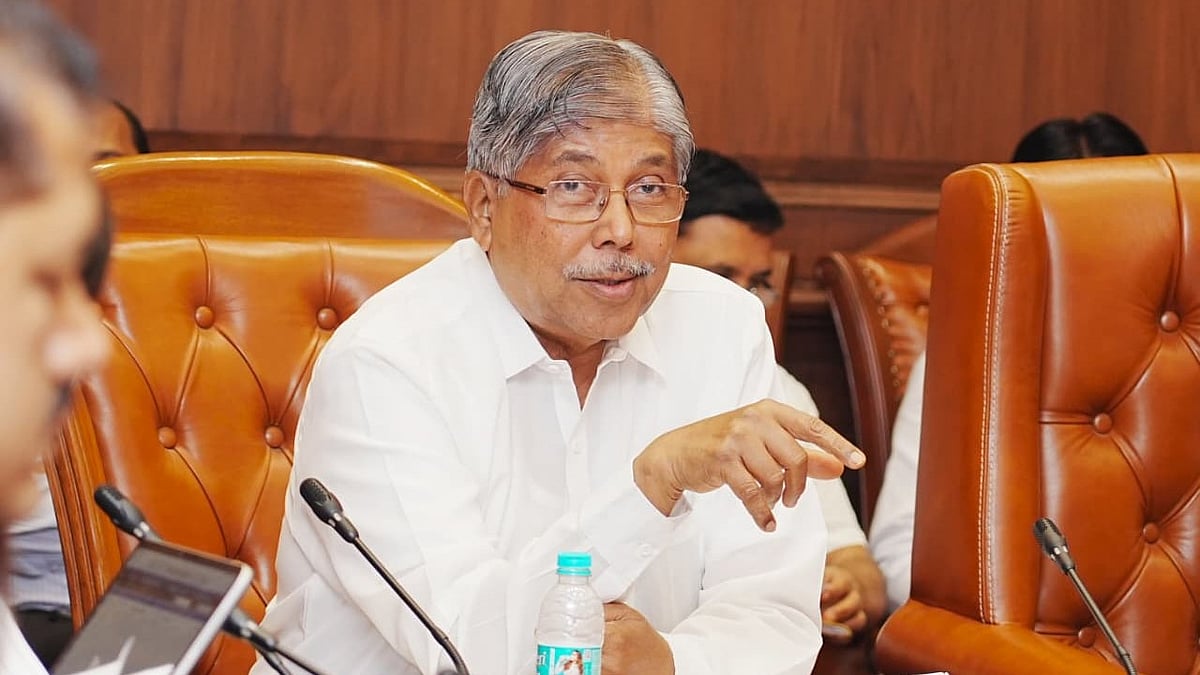
Maharashtra Plans AI Skilling and Centralized Placements for Students
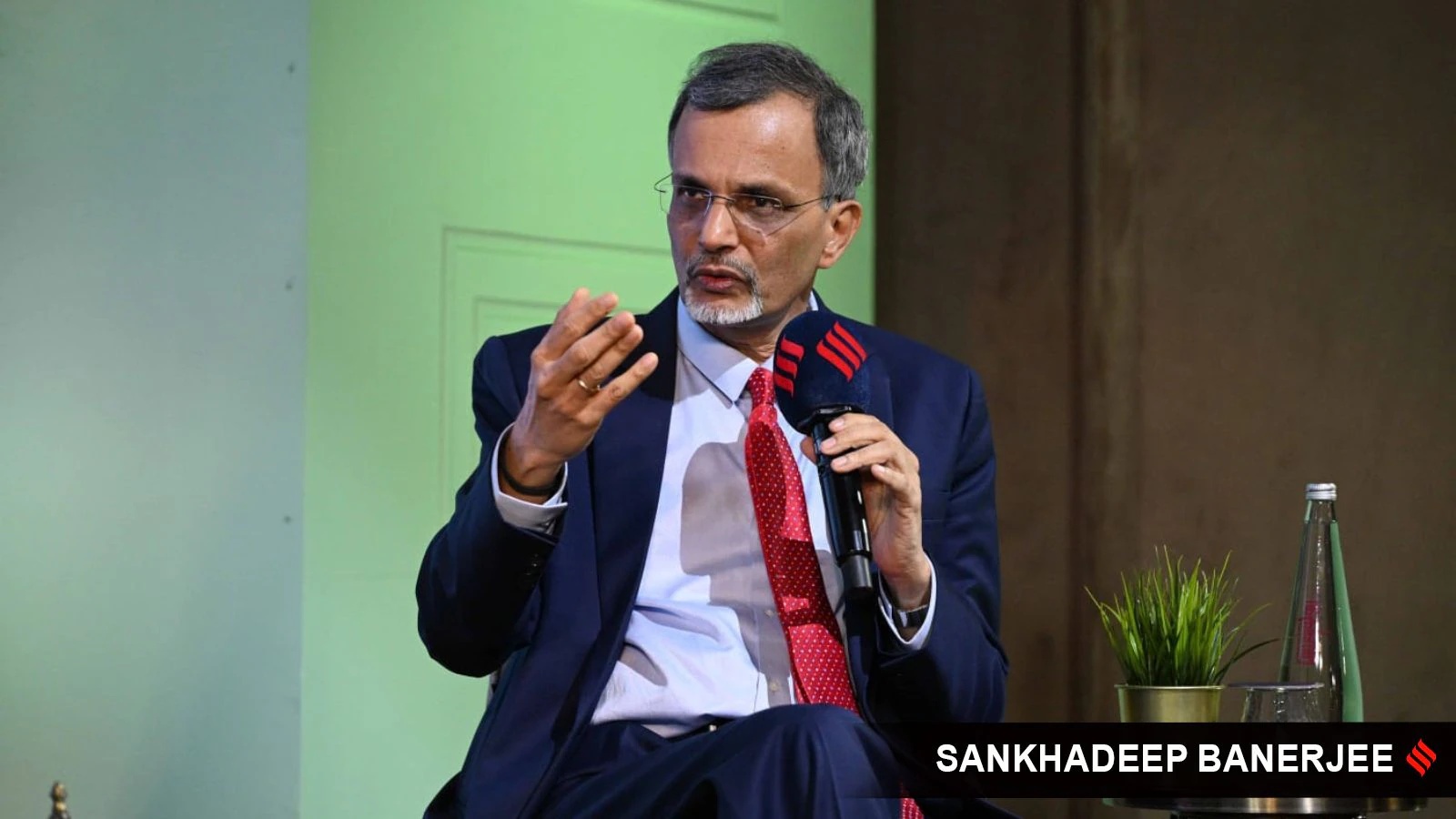
Chief Economic Advisor Urges Investment, Fair Pay and Trade Skills
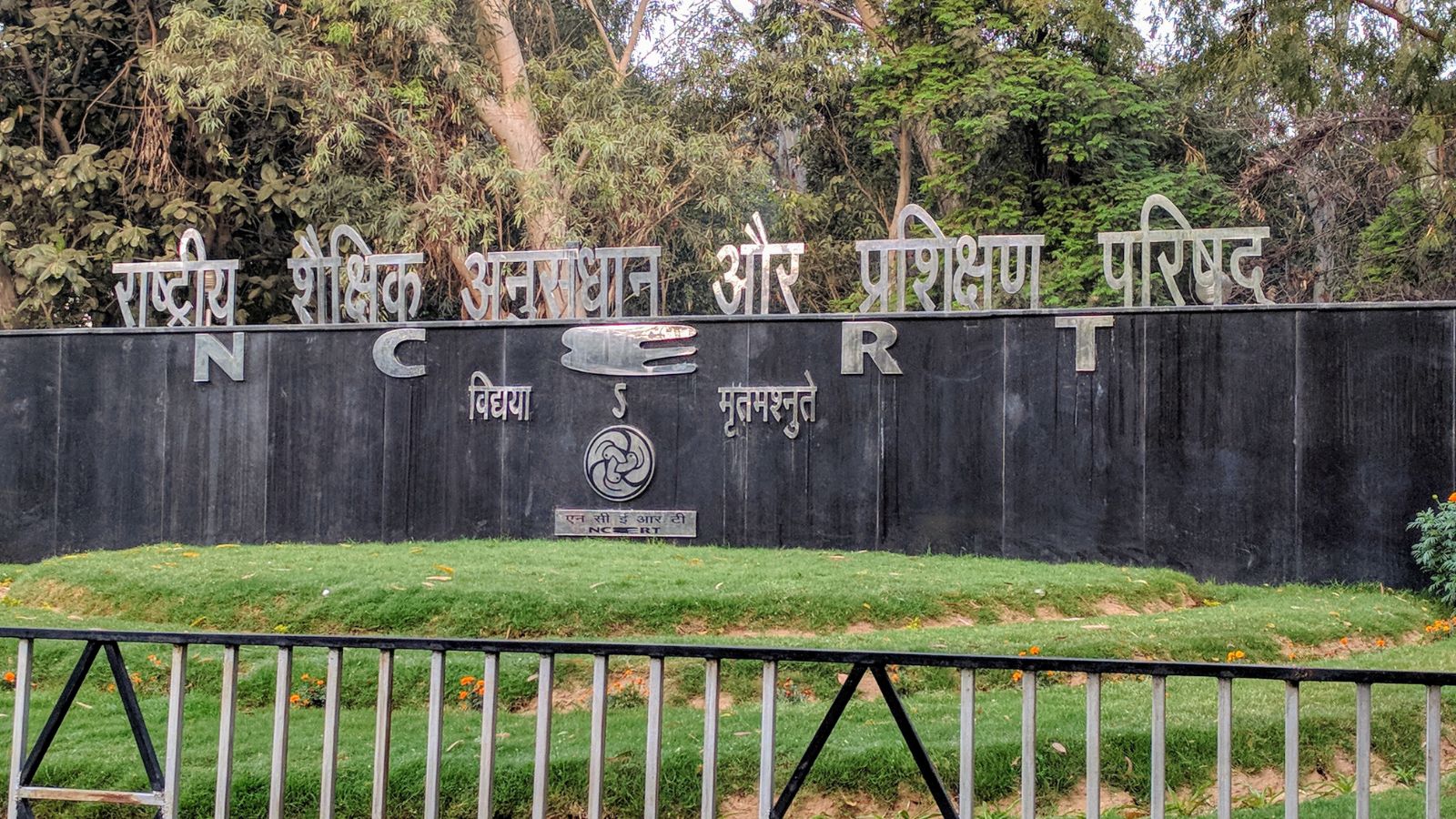
NCERT Class 9 Textbook Highlights Ram Rajya, NEP and Sengol

NCERT Class 9 Textbook Connects Ram Rajya With Good Governance
NEP’s Joyful Learning Push Reshapes Children’s Classroom Experience

New NCERT Textbook Links Governance Mottos to Ancient Traditions