9 hrs ago
Current Crude Volatility Tests India’s Energy Security Playbook

India is buying crude oil from several countries.
Russia is still its biggest supplier.
The United States and Venezuela are also important sources.
This means India can look beyond one supplier when needed.
However, getting oil from these alternative sources can cost more.
Ships from the United States and Venezuela travel longer routes.
American crude is also thick and sticky, making it more expensive to handle.
So India has enough oil available, but keeping supplies flexible can raise costs.

Russia remains India’s largest crude oil supplier.
The United States and Venezuela have become important alternative sources.
Indian refiners are not facing major availability or supply problems.
Alternative supplies cost more because they travel longer distances.
Dense, viscous crude from America further increases refining-related costs.
- Who
- India, its refiners, Russia, the United States and Venezuela.
- What
- Crude oil volatility is affecting the cost and structure of India’s energy supply strategy.
- Where
- India’s energy supply system, involving crude shipments from Russia, the United States and Venezuela.
- When
- Currently, amid ongoing crude oil volatility.
- Why
- Alternative sources help maintain supply options, but longer shipping routes and the dense nature of American crude increase costs.
Key facts
- Top supplier
- Russia continues to be India’s leading crude oil supplier.
- Alternative suppliers
- The United States and Venezuela have emerged as other key sources.
- Supply availability
- Availability and supplies are not major concerns for Indian refiners.
- Cost impact
- Alternative crude sources involve higher costs.
- Transport challenge
- Supplies from the United States and Venezuela travel longer routes.
- American crude
- Crude from America is dense and viscous, adding to costs.
Sources
Related news

India diversifies crude supplies as Middle East disruptions threaten security
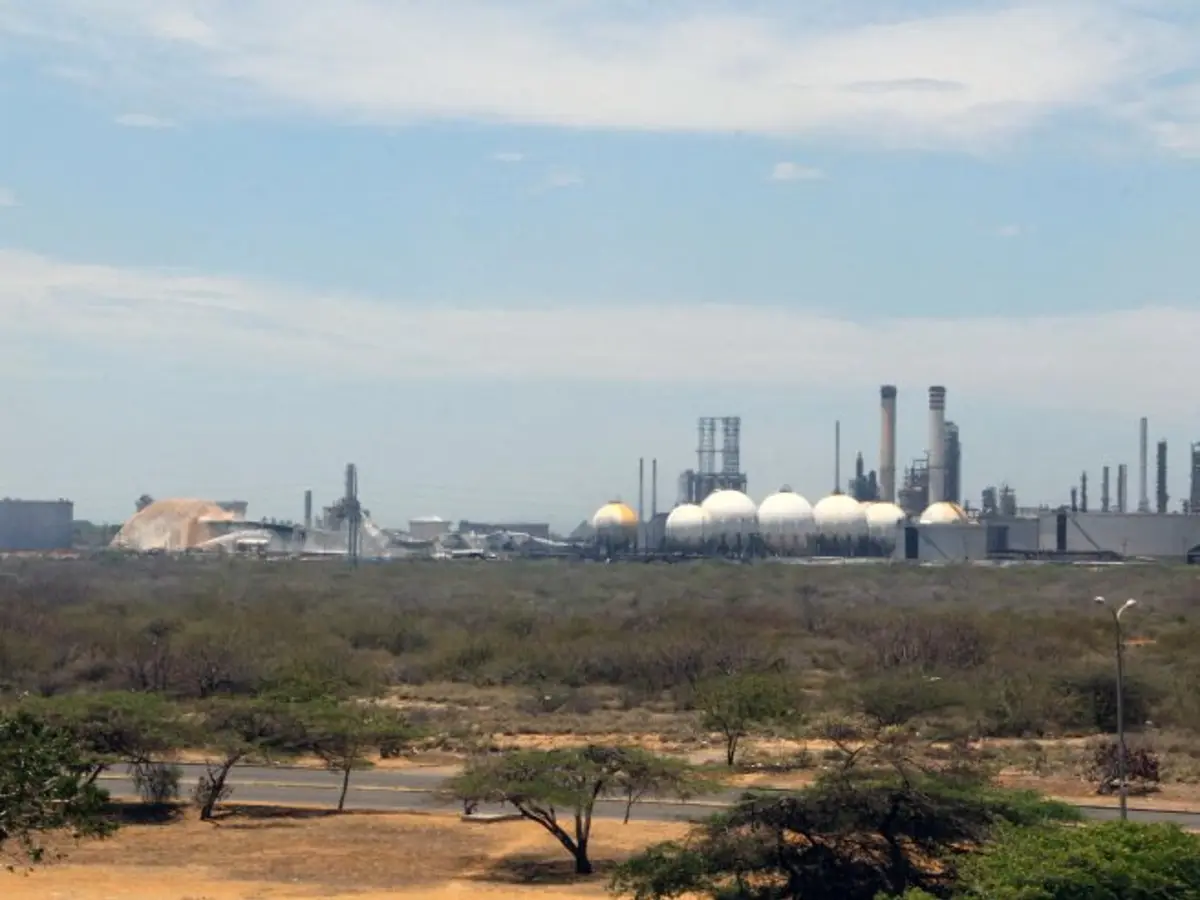
Venezuela's oil exports to India surge, restoring key supplier role

India Turns to US Energy Supplies as Gulf Shipments Disrupt

India Taps 15 Countries for LNG, 41 for Crude Oil

US Senate Passes Russia Sanctions Bill Raising Indian Crude Risk
India Supplies Petrol to Russia as Refinery Attacks Disrupt Fuel
Democratic Government Key to Venezuela Oil Investment, Opposition Leader Says
Trump corrects Lutnick on Iran conflict deaths
Lutnick apologizes for Iran war remark

Who Is Alejandro Betancourt, Trump’s Proposed Venezuelan Oil Partner?