16 hrs ago
California Supreme Court Orders Return of Seized Ballots

The sheriff’s office took about 650,000 ballots from Riverside County.
The ballots came from a special election held in November 2025.
A citizens’ group had questioned whether the vote count was correct.
The sheriff said he was investigating possible election wrongdoing.
He used search warrants and treated the ballots as evidence.
California’s highest court said election officials must keep control of voted ballots.
The court ordered the sheriff to return them to the county registrar.
The ruling said election problems can be investigated without removing ballots from election officials’ custody.

The California Supreme Court ordered Riverside County Sheriff Chad Bianco to return roughly 650,000 ballots.
The court ruled that removing and retaining the ballots violated California election law.
Bianco’s department seized the ballots during an investigation into alleged irregularities in a November 4, 2025, special election.
The investigation followed claims from a citizens’ group that the official vote count differed from its calculations.
The court said election officials must retain custody of voted ballots, even during law-enforcement investigations.
- Who
- The California Supreme Court, Riverside County Sheriff Chad Bianco, California Attorney General Rob Bonta, Riverside County voters, and county election officials.
- What
- The court ordered the return of roughly 650,000 seized ballots and ruled that their seizure and retention were unlawful under California election law.
- Where
- Riverside County, California.
- When
- The ballots were seized in February 2026 after the November 4, 2025, special election; the Supreme Court issued its ruling on Thursday, September 24.
- Why
- The sheriff seized the ballots while investigating alleged discrepancies between the official vote count and calculations by a local citizens’ group.
State Authorities and Voters
Sheriff’s Defense
Who should control the ballots?
State Authorities and Voters
The attorney general, Riverside County voters, and the Supreme Court argued that voted ballots must remain under the custody and control of election officials.
Sheriff’s Defense
Sheriff Chad Bianco’s attorney argued that the ballots were evidence in an ongoing criminal investigation and could be retained after being obtained through search warrants.
How should suspected misconduct be investigated?
State Authorities and Voters
The Supreme Court said California’s Elections Code provides procedures for investigating election misconduct without compromising ballot security or custody.
Sheriff’s Defense
Bianco’s attorney argued that the sheriff had a legal obligation to investigate the complaint and had complied with the Penal Code by obtaining search warrants.
Effect of search warrants
State Authorities and Voters
The court held that the warrants did not override election-law requirements governing voted ballots.
Sheriff’s Defense
Bianco’s defense maintained that the warrants authorized the seizure and supported keeping the ballots as evidence.
Key facts
- Ballots involved
- Approximately 650,000 voted ballots
- Election
- November 4, 2025, special election on Proposition 50
- Seizure warrants
- Obtained by sheriff’s personnel in February 2026
- Court ruling
- The seizure and retention violated California election-law requirements
- Return recipient
- The Riverside County registrar
- Investigation trigger
- A citizens’ group alleged a discrepancy in the official vote count
- Related legal challenge
- Attorney General Rob Bonta separately challenged the sheriff’s actions
Quotes

California Supreme Court
The state’s highest court, which issued the unanimous ruling
“While allegations of election improprieties are a very serious matter, the Elections Code provides mechanisms for investigating and proving misconduct that do not compromise voted ballots.”
 livemint.com
Sources
Related news
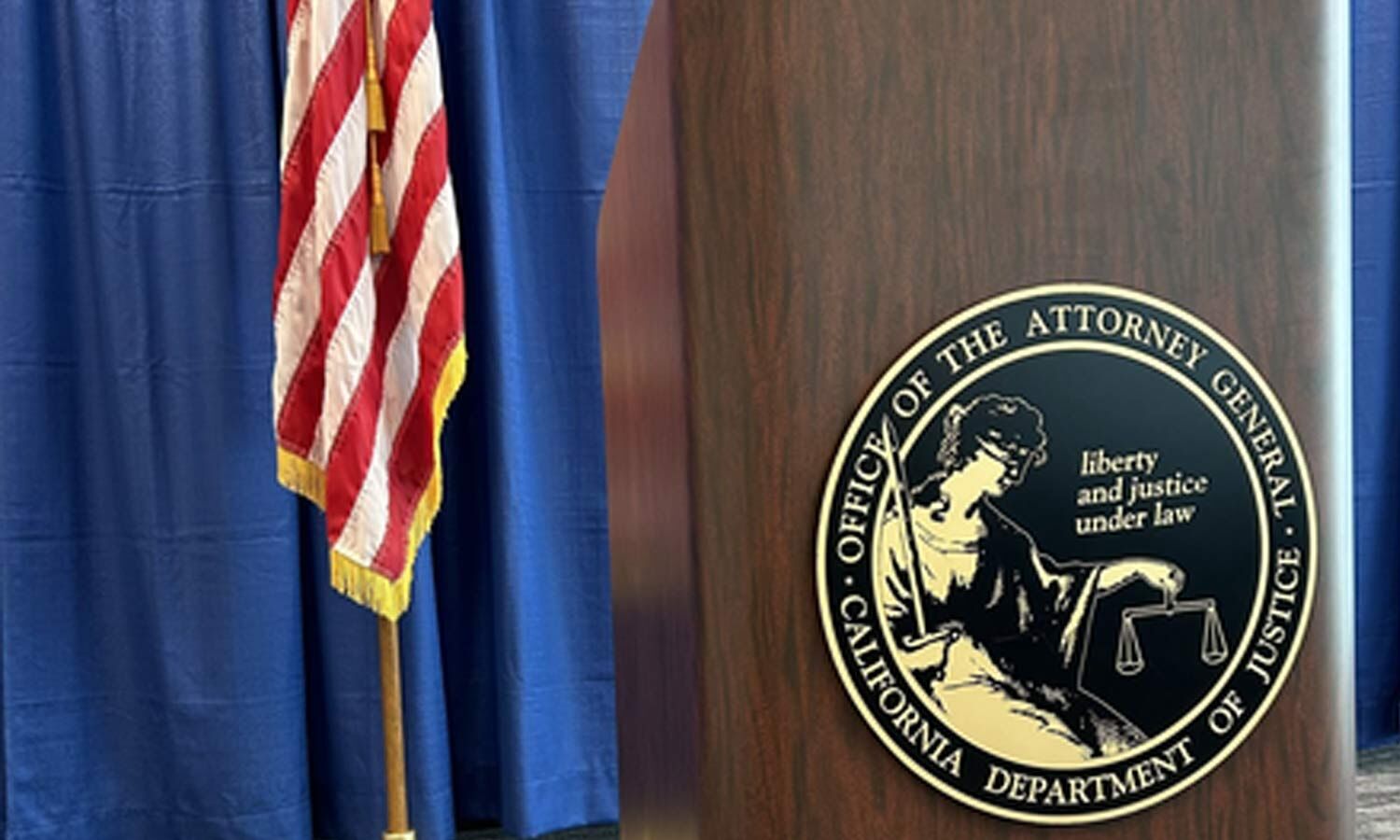
Senators Seek California Probe of DHS Voter Searches
Thackeray Demands Paper-Ballot Re-Polls, Alleges Election Commission Irregularities
Maharashtra SIR Challenged in Bombay High Court, Voters Seek Restoration
Why the Supreme Court Did Not Stop India’s SIR

Tejashwi Yadav Demands Repoll, Challenges ECI-SIR Voting Record Changes

Judge Extends Block on Trump Mail-In Voting Restrictions

Meta’s Camera Glasses Face Privacy Backlash, Audio-Only Response

Paramount+ Plans New Features Ahead of Warner Bros. Discovery Deal

AI Infrastructure Investment May Reach $769 Billion Amid Safety Concerns

California Wineries Face Foreclosure and Bankruptcy Amid Crisis