1 hr ago
Paramount+ Plans New Features Ahead of Warner Bros. Discovery Deal

Paramount+ wants to add new ways for people to watch and interact with videos.
Possible changes include a free plan, short dramas, new advertisements, comments, and computer-assisted video clips.
The service already added short, vertical videos for phone users.
It also plans to show more video podcast segments.
The free plan would ask people for their email addresses.
After watching some episodes or using the service for a set time, users might be encouraged to buy a paid plan.
Paramount+ is making these changes because some subscribers stopped using the service or watched very little.
The changes are expected to be considered for late 2026 and early 2027, but no dates are confirmed.
Separately, Paramount Skydance is arranging financing for its planned purchase of Warner Bros.
Discovery.
The purchase has support from some shareholders but criticism from opponents who worry about Hollywood jobs.

Paramount+ is considering a free tier, micro-dramas, interactive ads, comments, and artificial-intelligence video clipping.
The service launched short vertical videos in April and plans to add more video podcast segments for mobile and daytime viewing.
The proposed free tier would require email registration and direct users toward paid subscriptions after a time or episode limit.
Nearly 6% of Paramount+ subscribers cancelled in August, while more than one-third were classified as light viewers in June, according to cited Antenna data.
Paramount Skydance’s $110 billion Warner Bros. Discovery acquisition cleared a major legal hurdle after a settlement, while the company launched a $7.5 billion term-loan syndication.
- Who
- Paramount Skydance, led by CEO David Ellison, is developing the Paramount+ changes and pursuing the Warner Bros. Discovery acquisition.
- What
- Paramount+ is considering new engagement and revenue features while Paramount Skydance advances financing for its planned $110 billion acquisition of Warner Bros. Discovery.
- Where
- The acquisition settlement involves California-led states, and the production commitments concern the United States.
- When
- The free-tier projects are scheduled for the fourth quarter of 2026 and the first quarter of 2027, although no launch dates are confirmed; the legal settlement was reported this week.
- Why
- Paramount+ is seeking stronger engagement and revenue as cancellations and light viewing weigh on the service, while the financing supports the proposed acquisition.
Merger Supporters
Merger Critics
Impact on the companies
Merger Supporters
Paramount Skydance is proceeding with financing, and Warner Bros. Discovery shareholders welcomed the settlement.
Merger Critics
Opponents criticised the merger, arguing that it could hurt jobs in Hollywood.
Regulatory outcome
Merger Supporters
Paramount said the settlement with California-led states and the Writers Guild of America cleared final domestic hurdles and avoided a forced divestment of cable assets and film franchises.
Merger Critics
The settlement requires temporary film quotas, a news oversight committee, additional United States production spending, and theatrical-release quotas, reflecting concerns addressed by regulators and other opponents.
Key facts
- Planned acquisition value
- $110 billion
- Proposed Paramount+ free tier
- Users would register with email addresses and could later be encouraged to purchase paid subscriptions.
- Potential Paramount+ features
- Micro-dramas, interactive ad formats, comments in a TikTok-style feed, and artificial-intelligence video clipping.
- Existing short-video feature
- Paramount+ launched short vertical videos in April.
- Reported August cancellations
- Nearly 6% of Paramount+ subscribers cancelled, according to Antenna data cited by Business Insider.
- Proposed financing
- Paramount Skydance launched a syndication for a $7.5 billion senior secured term loan.
- Settlement commitments
- Paramount agreed to temporary film quotas, a news oversight committee, at least $300 million in additional annual United States production spending, and United States theatrical-release quotas for five years.
Sources
Related news

Paramount-Warner Merger Settlement Talks Advance Amid Antitrust Lawsuit

Paramount Discusses Major Concessions to Advance Warner Bros. Deal

States Settle Paramount-Warner Lawsuits, Clearing Hurdle For Mega-Merger
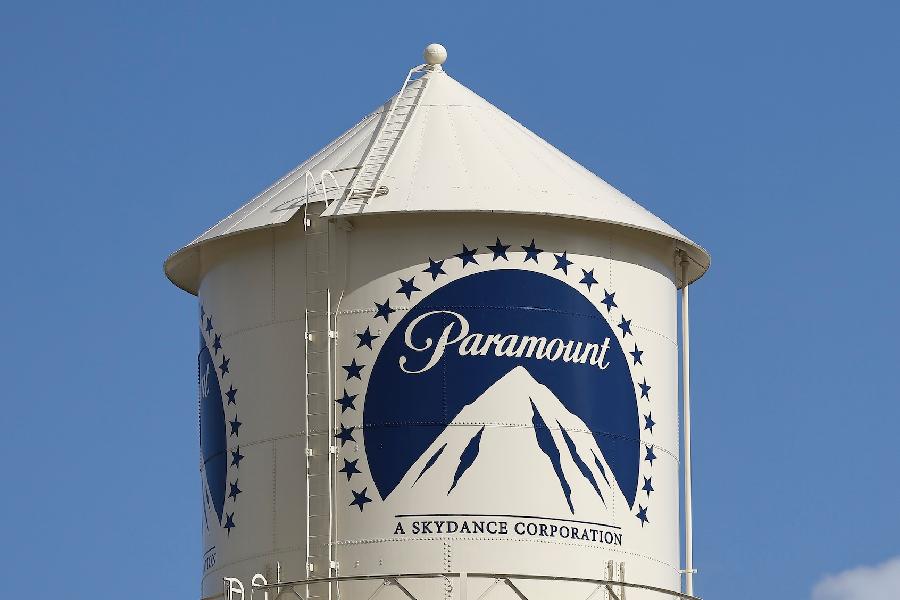
Paramount-Warner Bros Merger Clears Final Major Antitrust Hurdle
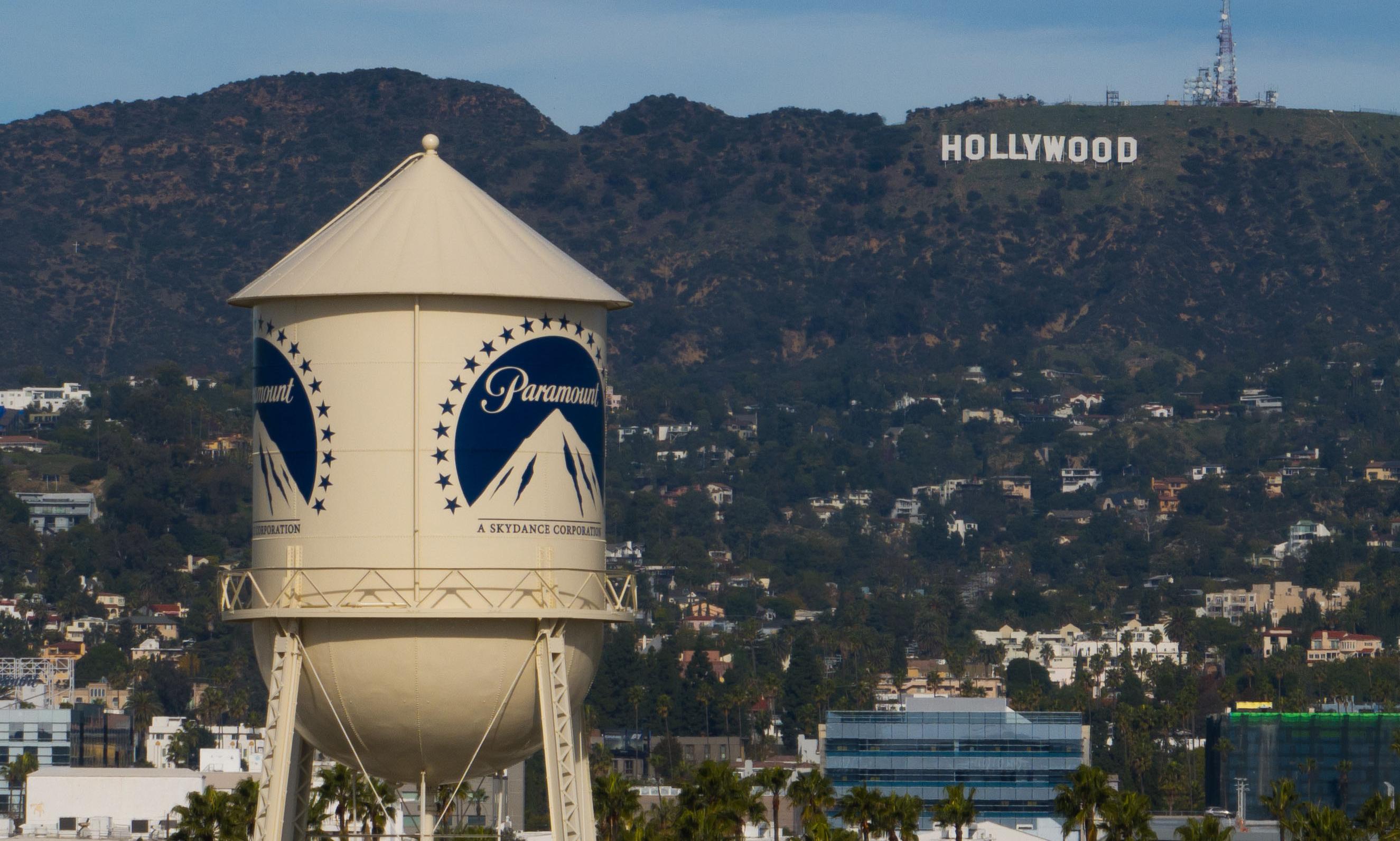
Paramount Antitrust Settlement Clears Path for Warner Bros. Acquisition

Paramount Settlement Talks Include California Commitment and Asset Sales

AI Infrastructure Investment May Reach $769 Billion Amid Safety Concerns

California Supreme Court Orders Return of Seized Ballots

California Wineries Face Foreclosure and Bankruptcy Amid Crisis
California Father Accidentally Backs Cybertruck Over Six-Year-Old Son