1 hr ago
India and Russia deepen defence ties through technology sharing
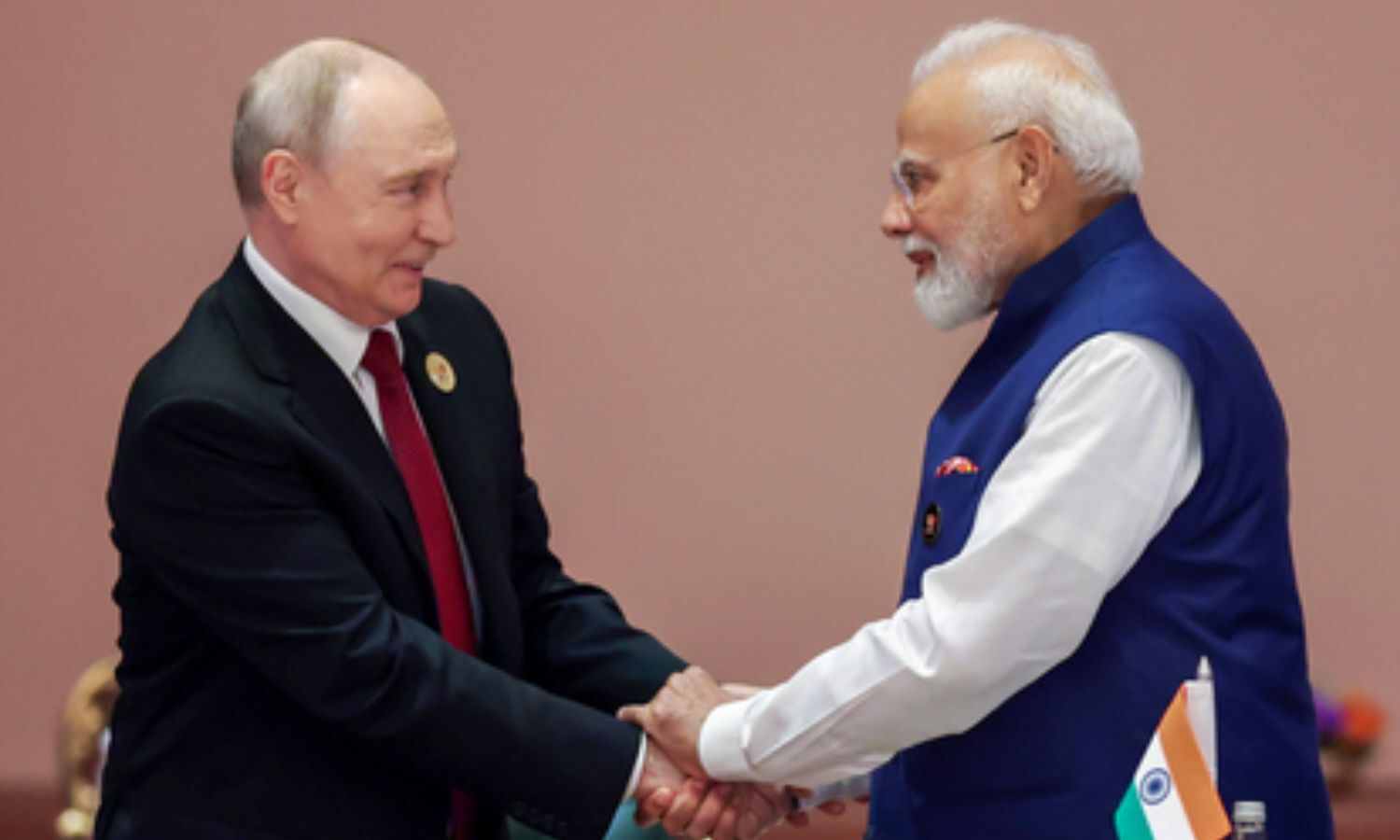
India and Russia have worked together on defence equipment for many years.
Now, they want to cooperate more on designing and making weapons, not just buying and selling them.
One important project is the BrahMos missile.
The countries are discussing newer versions of this missile, including one for India’s Tejas fighter jets.
Russia has also offered to share technology for its Su-57 stealth fighter.
BrahMos has attracted interest from several countries in Southeast Asia.
However, Western sanctions on Russia have made it harder for Russia to obtain some advanced parts.
India is also buying more defence technology from countries such as France, the United States and Israel.

India and Russia are exploring joint production, technology transfer and export-oriented weapons development.
Discussions include BrahMos modernisation and Russia’s offer to transfer Su-57 fighter-jet technology.
BrahMos has been sold or offered to several Southeast Asian countries, including the Philippines, Indonesia and Vietnam.
Proposed BrahMos upgrades include a lighter Tejas-compatible version, a submarine-launched variant and a hypersonic version.
Analysts say sanctions affecting Russia and India’s supplier diversification are reshaping the traditional buyer-seller relationship.
- Who
- India and Russia, including Prime Minister Narendra Modi and President Vladimir Putin, are involved.
- What
- The countries are seeking deeper defence cooperation through technology sharing, joint production and weapons development.
- Where
- The partnership concerns India and Russia, with BrahMos exports involving countries in Southeast Asia.
- When
- The developments were discussed around last weekend’s BRICS summit in New Delhi and reported this week.
- Why
- The two countries want to move beyond conventional arms sales, expand industrial cooperation and support localisation under India’s Make in India programme.
Deepening partnership
Diversification and supply concerns
Future defence cooperation
Deepening partnership
Analysts cited the BrahMos modernisation discussions and Russia’s Su-57 technology offer as signs of a more mature and strategically sophisticated partnership.
Diversification and supply concerns
India is increasingly seeking advanced defence technology from France, the United States and Israel, while sanctions and supply-chain uncertainty have affected Russia’s ability to provide components and equipment.
BrahMos development
Deepening partnership
Jointly developing next-generation BrahMos variants could move the relationship beyond producing existing weapons and create a broader defence-industrial partnership.
Diversification and supply concerns
No agreement on an advanced BrahMos variant was announced at the Putin-Modi meeting, although analysts said the meeting increased the project’s political priority.
Key facts
- Trade target
- India and Russia have set a bilateral trade target of USD 100 billion by 2030.
- Current trade
- Bilateral trade is currently about USD 60 billion.
- Key weapon
- BrahMos is a jointly developed missile deployable from land, sea, air and underwater platforms.
- BrahMos speed
- The missile travels at about three times the speed of sound.
- Proposed upgrades
- Plans reportedly include a lighter Tejas-compatible version, a submarine-launched variant and a hypersonic version.
- Potential export discussions
- The Philippines, Indonesia and Vietnam have signed agreements to acquire BrahMos; Malaysia is holding exploratory discussions.
- Major constraint
- Analysts said Western sanctions since 2022 have affected Russia’s access to advanced components and defence supplies.
Quotes
Srinivaasan Balakrishnan
Director of strategic engagements and partnerships at the Indic Researchers Forum.
“The next step should be to move from jointly producing an existing weapon to jointly developing the next generation of weapons. If Moscow is genuinely prepared to deepen technology sharing, BrahMos could become the foundation for a much more ambitious Indian-Russian defence industrial partnership,”
 thehansindia.com
“Russia has been hampered by Western sanctions since 2022 in accessing advanced components and technology, which in turn affected defence supplies to India,”
thehansindia.com
Sources
Related news
Modi, Putin Hold Talks on Trade, Defence and Energy

Modi, Putin Advance Trade and Strategic Ties Amid Tariff Uncertainty
Modi, Putin Review Ties, Set Russia Summit Visit

Modi, Putin Discuss $100 Billion Trade Target and Economic Cooperation
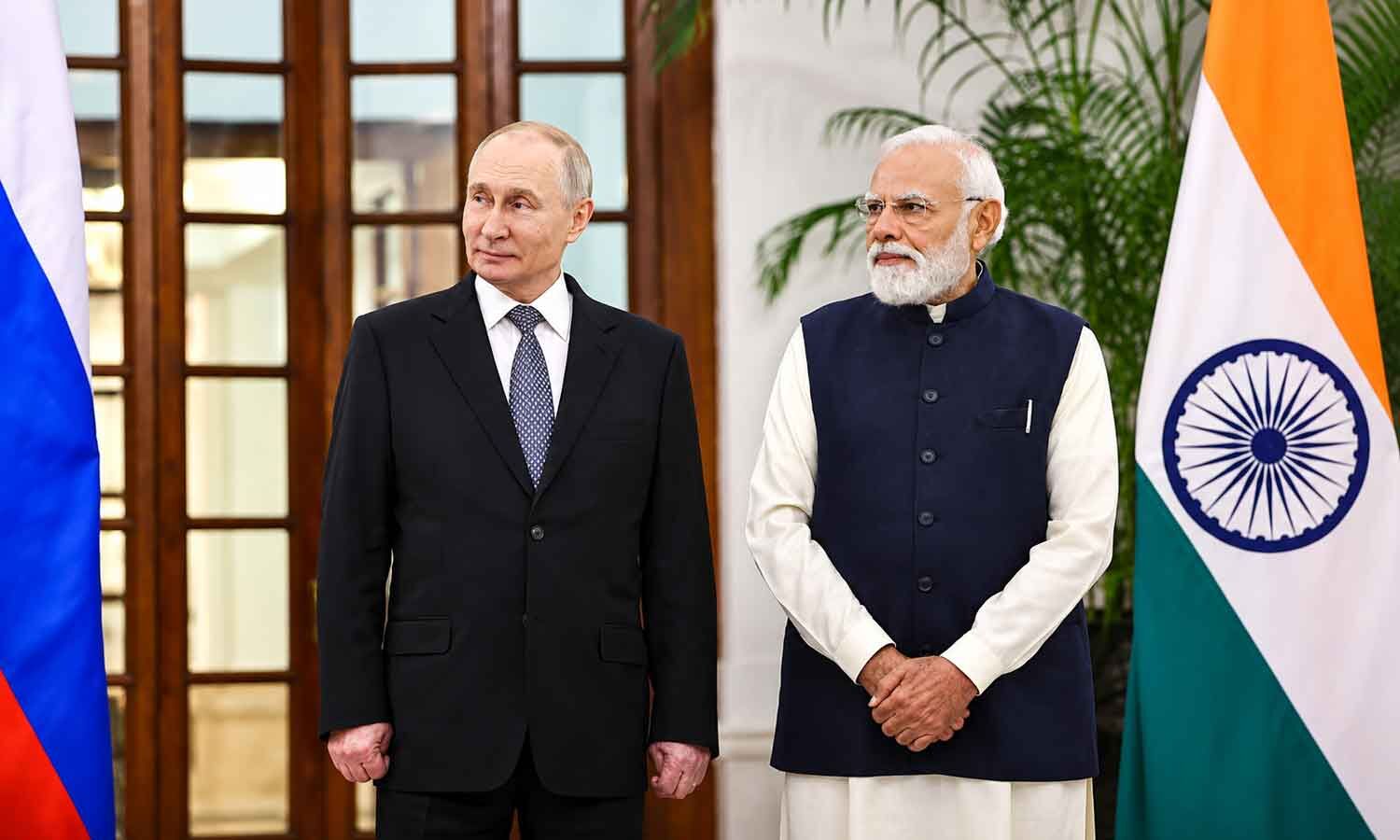
Modi-Putin Talks to Cover S-400 Deliveries, BrahMos Upgrades
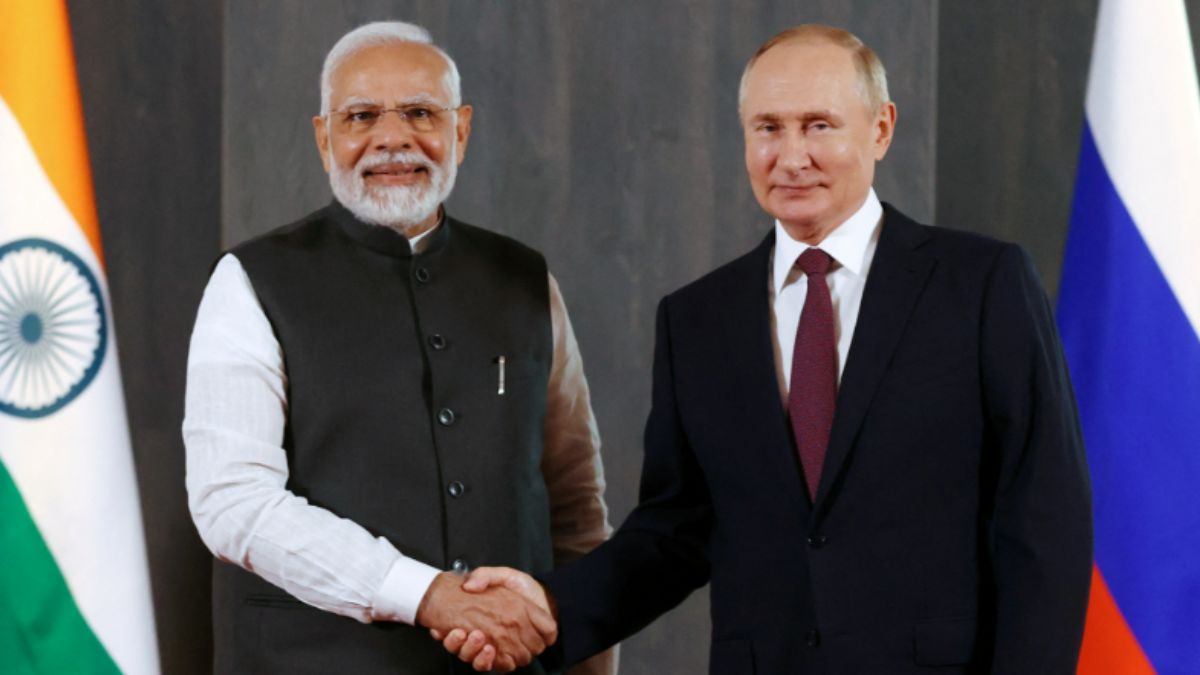
Modi-Putin Meeting to Address Oil, Defense and Ukraine
Bengal Political Crisis Deepens Over Nandigram Assembly By-election
Anant Nag Says Awards System Changed After Modi Came
CJP Launches Campaign to Document Rajasthan Tribal Schools
Jayant Chaudhary Meets Modi Ahead of Muzaffarnagar Rally