3 weeks ago
Do direct cash transfers for women improve household welfare?

Many states in India give women a small amount of money every month.
The city of Delhi just launched a new scheme called the Delhi Lakshmi Yojana, giving ₹2,500 every month to eligible women.
More than 15 states now run these schemes, and about 120 million women receive the payments.
Government economists studied two such schemes in Maharashtra and Odisha using bank account data.
They found that when women receive money, their families save more and change how they spend.
Experts say the cash helps families buy food, build savings, and cope better in tough times.
Some people say these schemes are just a trick to win votes, while others say they genuinely help families.
Studies show women do not waste the money on alcohol or cigarettes, and they keep working.
Experts add that cash is helpful, but it should work together with good health, nutrition and education services.

The Delhi government, led by Chief Minister Rekha Gupta, launched the Delhi Lakshmi Yojana (Mahila Samriddhi Yojana) on 1 August, paying ₹2,500 a month to eligible women.
More than 15 states and Union Territories now run unconditional cash transfer schemes for women, costing roughly ₹2.68 lakh crore and reaching about 120 million beneficiaries.
An EAC-PM working paper on Maharashtra's Ladki Bahin Yojana and Odisha's Subhadra Yojana found male relatives of beneficiaries saw month-end bank balances rise 23% and spending fall 49%.
Experts cite evidence that cash transfers improve food security, savings, employment, school enrolment and psychological well-being, and say recipients do not misuse the money.
Maharashtra's ruling Mahayuti alliance credited Ladki Bahin for its election victory, and a Lokniti-CSDS survey found 54% of scheme beneficiaries voted for the alliance.
- Who
- Chief Minister Rekha Gupta's Delhi government, women beneficiaries across India, researchers at the Economic Advisory Council to the Prime Minister (EAC-PM), and experts from Project DEEP and Sattva Consulting.
- What
- The launch of the Delhi Lakshmi Yojana and the wider debate over whether unconditional cash transfers for women improve household welfare or are political freebies, examined through a new EAC-PM study.
- Where
- India — Delhi, Maharashtra, Odisha and more than 15 states and Union Territories running similar schemes.
- When
- Delhi's scheme was launched on 1 August; women-focused cash schemes expanded rapidly around the 2023-24 election cycle.
- Why
- To support women's financial independence, recognise unpaid household labour and improve household welfare, though critics view the payments as vote-buying.
Supporters of cash transfers
Critics of cash transfers
Welfare tool or vote-buying
Supporters of cash transfers
Experts say unconditional cash transfers are a proven development tool that stabilises consumption, builds productive assets and cushions families against crises, citing both global and Indian evidence.
Critics of cash transfers
The opposition has called such schemes vote-buying; critics note women-focused schemes expanded dramatically around the 2023-24 election cycle and that Maharashtra's ruling alliance credited Ladki Bahin for its victory.
Cash versus government services
Supporters of cash transfers
Cash transfers give beneficiaries freedom and agency over how to spend the money, and are easier to administer than services and subsidies, which can be hard to monitor at scale.
Critics of cash transfers
Cash alone cannot deliver quality health, nutrition and education services; the optimal approach is often a combination of cash and services rather than a binary choice.
Risk of misuse
Supporters of cash transfers
Evidence from more than 100 studies shows cash recipients are not more likely to spend on alcohol or cigarettes and continue to seek and find employment.
Critics of cash transfers
Some critics worry that recurring unconditional payments amount to freebies that could be misused, noting there is no statutory definition of freebies and that RBI treats merit goods differently.
Key facts
- New scheme
- Delhi Lakshmi Yojana (Mahila Samriddhi Yojana) — launched 1 August
- Monthly payment
- ₹2,500 in Delhi; schemes range from ₹1,000 to ₹2,500
- Coverage
- More than 15 states/UTs; about 120 million beneficiaries
- Total cost
- Roughly ₹2.68 lakh crore across states
- Study data
- 1.6 lakh+ State Bank of India accounts; Ladki Bahin and Subhadra Yojana
- Key finding
- Male relatives of Ladki Bahin beneficiaries: bank balances +23%, spending −49%
- West Bengal changes
- BJP's Annapurna Yojana replaced Lakshmi Bhandar: ₹1,200 (SC/ST), ₹1,000 (others)
- Freebies debate
- RBI distinguishes merit goods from other state expenditure; no statutory definition of 'freebies'
Quotes
Pankhuri Shah
Researcher at Project DEEP
“Recipients of UCTs report better food security, higher income and savings, increased spending, and better psychological well‑being.”
 livemint.com
“The EAC-PM study links this wider impact to financial shifts within the household.”
livemint.com
Sources
Related news
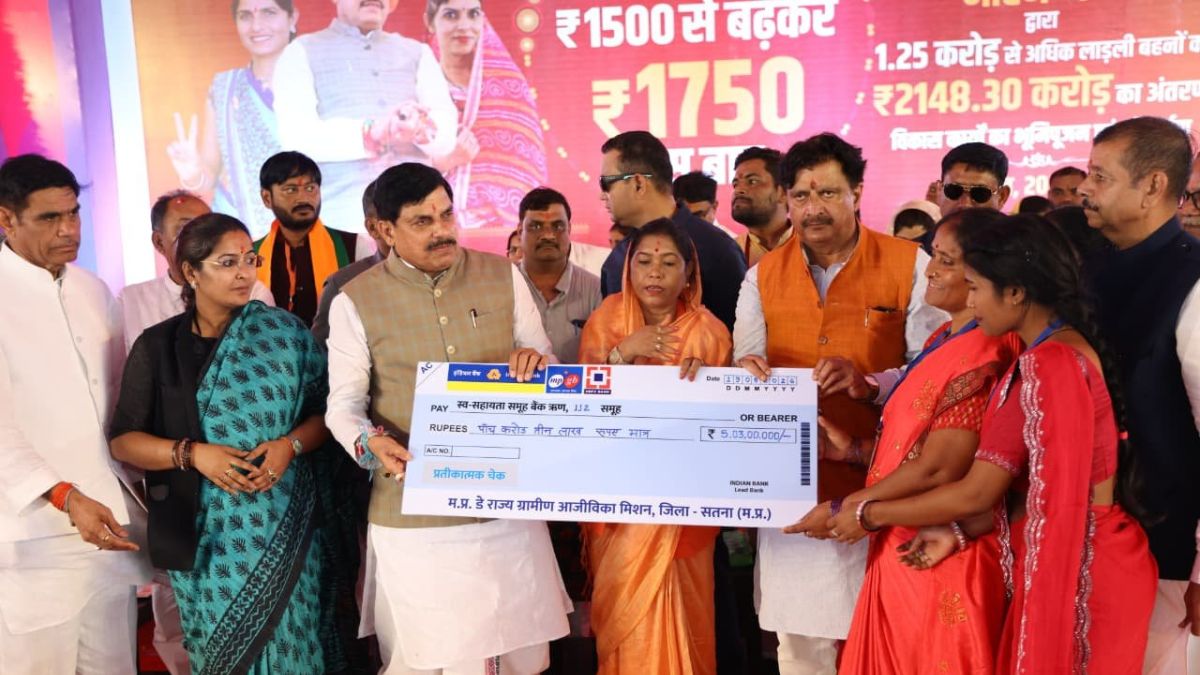
Madhya Pradesh Commits ₹1.33 Lakh Crore for Women

Naidu tells Andhra women to turn welfare into income

Mohan Yadav Transfers Ladli Behna Aid, Announces Raksha Bandhan Gift

Akhilesh's Rs 40,000 promise heats up UP women's vote battle
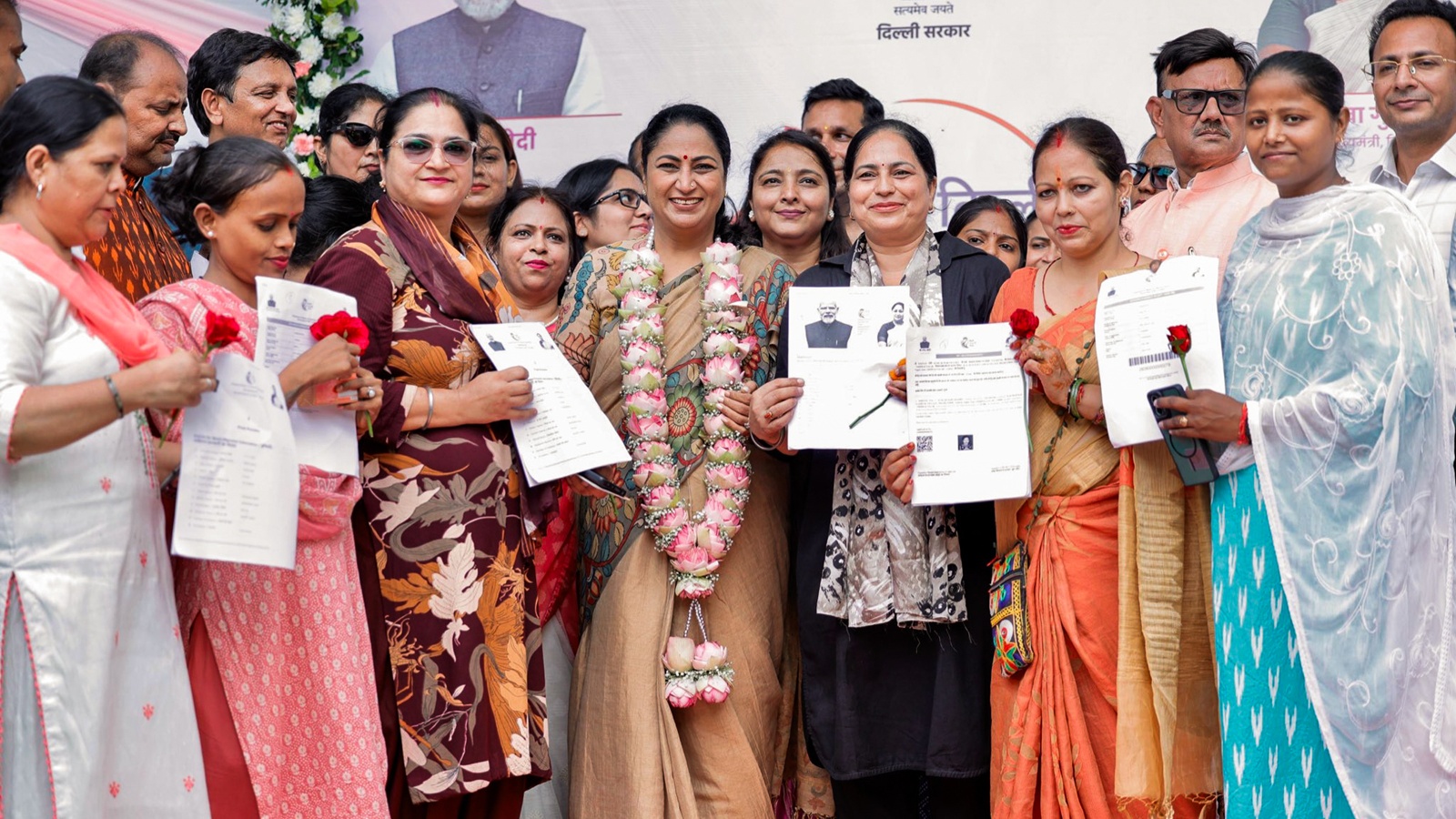
Delhi Launches Lakshmi Yojana Offering Women Monthly Financial Aid

Haryana CM transfers Rs 1,595 crore to 50 lakh beneficiaries
Farooq Abdullah’s Threat Claims Ignite Fury Over Kashmir Statehood

GDP Row Escalates as Government Rebuts 2.6% Growth Claim

Karra Says J-K People Caught Between Two Power Centres
Telangana BJP Accuses Congress of Intimidating Opposition
Vijayendra's Ballari Chalo Highlights Drought, Farmers And Congress Government Criticism