

5 days ago
Interveners ask Supreme Court to clarify MLAs’ legislative privileges
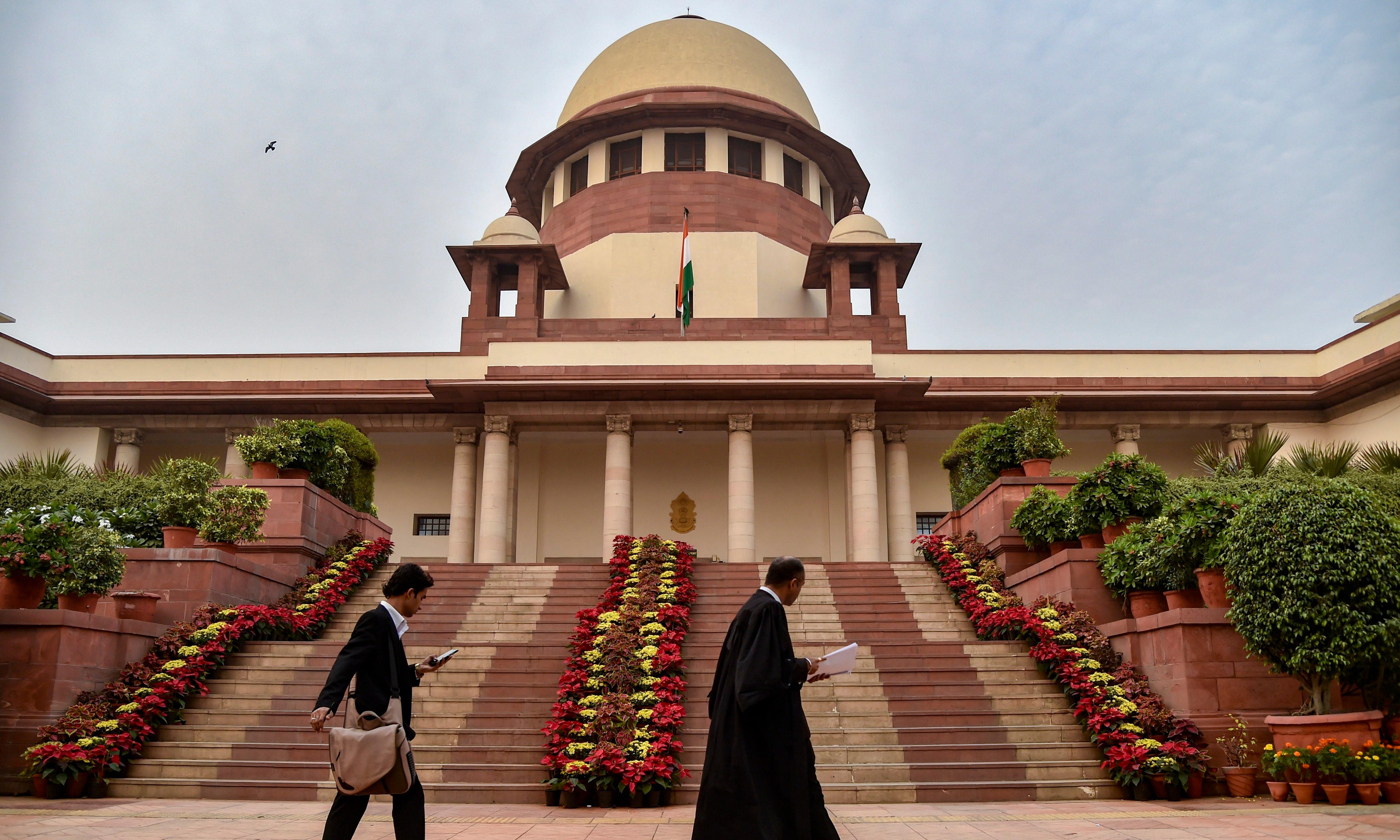
Several journalists, activists and public figures have asked India’s Supreme Court to let them help in an important constitutional case.
The case concerns special powers called legislative privileges, which legislatures use to protect their proceedings.
The court will examine whether those powers can restrict free speech and personal liberty.
The dispute began in 2003 when the Tamil Nadu Assembly ordered the arrest of journalists over an alleged breach of privilege.
The Supreme Court stopped the arrests of six journalists.
Earlier court decisions disagreed about whether fundamental rights or legislative privileges should take priority.
The People’s Union for Civil Liberties and others say the ruling could affect journalists, publishers, researchers and citizens.
A seven-judge Constitution bench is scheduled to hear the matter on October 6.

Ajit Anjum, PUCL, Subhashini Ali and Narendra Nath Mishra have sought permission to intervene in the case.
The case examines how state legislative privileges interact with freedom of speech, personal liberty and judicial review.
It originated in 2003 after Tamil Nadu journalists faced arrest orders for alleged breach of privilege and contempt.
The Supreme Court stayed the arrest of six journalists and later referred the matter to a seven-judge bench.
The Constitution bench is scheduled to begin hearing the matter on October 6.
- Who
- Ajit Anjum, the People’s Union for Civil Liberties, Subhashini Ali, Narendra Nath Mishra and earlier applicants including Seema Chishti and Kunal Kamra.
- What
- They are seeking permission to intervene in a Supreme Court case on the scope of MLAs’ legislative privileges and their relationship with fundamental rights.
- Where
- The matter is before the Supreme Court of India and concerns the Tamil Nadu Legislative Assembly.
- When
- The hearing is scheduled to begin on October 6; the underlying dispute began in 2003, with earlier judicial referrals in December 2003 and December 2004.
- Why
- The applicants say the case raises broad constitutional questions about legislative authority, judicial review, free speech, press reporting and personal liberty.
Fundamental-rights and press protections
Legislative-privilege authority
Which power should prevail?
Fundamental-rights and press protections
Fundamental rights, including freedom of speech and personal liberty, should constrain legislative privileges when the two conflict.
Legislative-privilege authority
Legislatures should retain strong privileges to protect their proceedings and authority; a 1965 verdict held that fundamental rights were subservient to parliamentary privileges.
Reporting and criticism
Fundamental-rights and press protections
Journalists, publishers, researchers and citizens should receive constitutional protection for fair reporting and public discussion of legislative affairs.
Legislative-privilege authority
Legislatures should be able to determine whether publications or criticism amount to a breach of privilege.
Judicial review
Fundamental-rights and press protections
Courts should be able to review the use of legislative privilege, especially when summons, warrants or other coercive measures affect citizens.
Legislative-privilege authority
Legislative bodies should retain meaningful disciplinary powers, subject to the constitutional interpretation the Supreme Court is asked to provide.
Key facts
- Scheduled hearing
- October 6 before a seven-judge Constitution bench
- Main case
- N Ravi and others versus Speaker, Legislative Assembly, Tamil Nadu
- New applicants
- People’s Union for Civil Liberties, Subhashini Ali and Narendra Nath Mishra
- Earlier applicants
- Ajit Anjum, Seema Chishti and Kunal Kamra
- Original dispute
- Tamil Nadu journalists faced arrest orders in 2003 over alleged breach of privilege and contempt
- Constitutional provisions
- Articles 105, 194, 194(3), 14, 19(1)(a) and 21
- Conflicting precedents
- One judgment favored fundamental rights, while a 1965 verdict treated them as subservient to parliamentary privileges
Quotes
People's Union for Civil Liberties
Human rights organisation seeking to intervene in the Supreme Court proceedings
“The issues bear directly upon journalists, publishers, researchers, civil society organisations and citizens engaged in public discussion on legislative and public affairs. The principles laid down by this Hon'ble Court will thus have systemic consequences for democratic discourse and civic participation.”
 deccanchronicle.com
“The questions arising for consideration in the present proceedings are not confined to the dispute between the parties before this Hon'ble Court, but touch upon the fundamental constitutional relationship subsisting between the Legislature, the Judiciary and the free press.”
 telegraphindia.com
Sources
Related news
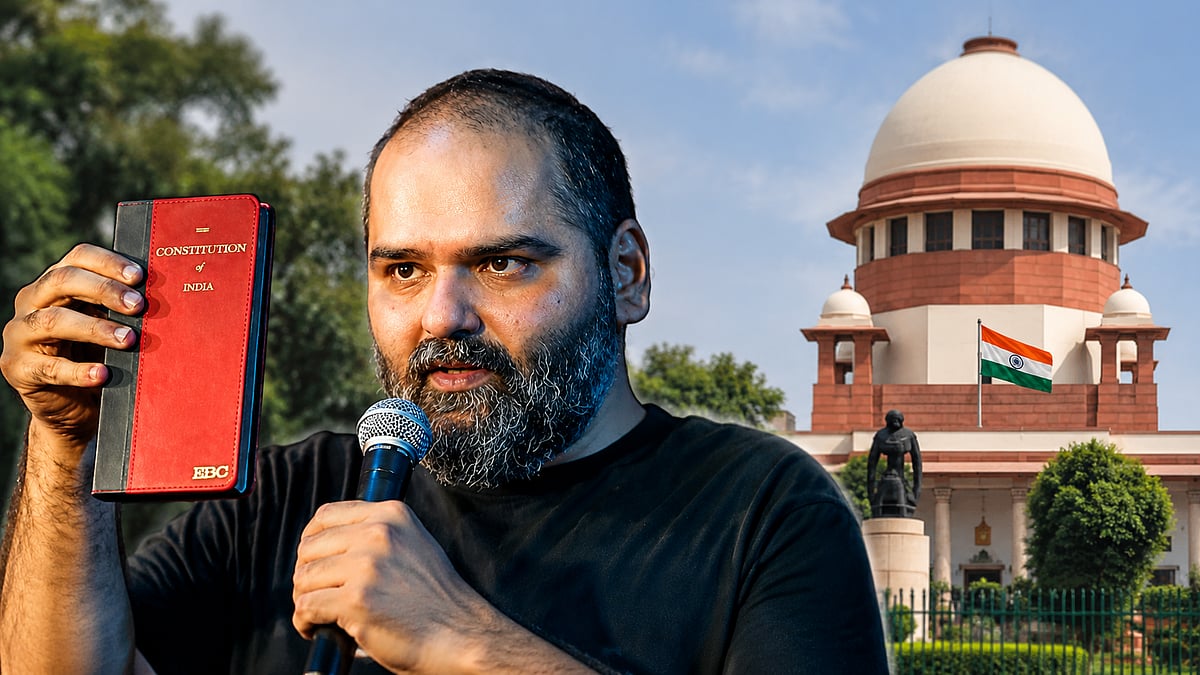
Kunal Kamra Seeks Supreme Court Intervention in Privilege Case
Supreme Court May Defer Legislative Privilege and Free Speech Ruling
Parliament Panel Delays Supreme Court Visit Over Election Bills
Waheed Para files privilege motion over J&K statehood debate
Supreme Court Flags Delay in Rebel TMC MPs’ Disqualification
Danam Nagender Raises MLA Privileges Before Telangana High Court Disqualification

Supreme Court Seeks ECI Records in Form 6 Challenge
Judges, Students Explore Constitutional Questions at Parul University

Supreme Court Scrutiny Intensifies Over Election Roll Revision

Supreme Court Seeks 24-Hour Monitoring to Improve Delhi Safety
Supreme Court Clarification Sparks Questions Over Form 6 Changes
