

1 hr ago
Supreme Court Seeks 24-Hour Monitoring to Improve Delhi Safety

The Supreme Court is asking Delhi Police to do more to protect people from sexual offences.
It says cameras are not enough unless someone watches them all the time.
Police should patrol more near schools, colleges, and public places.
They should also find places where people may be at risk and act on residents’ safety concerns.
The court heard that people had raised concerns near Astha Kunj Park before a reported attack on a 17-year-old.
A lawyer assisting the court also said there was little public information about a police anti-harassment force.
The judges said instructions must lead to real action, not just paperwork.
Police said they had taken steps to increase vigilance.
The case will be heard again on November 16.

The Supreme Court asked Delhi Police to create 24-hour monitoring cells for vulnerable areas and strengthen patrolling.
The Bench said CCTV cameras need continuous monitoring to help prevent offences and support swift police responses.
Police were urged to identify vulnerable pockets, especially near educational institutions and public spaces, and address illegal eateries frequented by anti-social elements.
The court cited reports that residents had raised safety concerns near Astha Kunj Park before the reported gang-rape of a 17-year-old.
The Delhi Police acknowledged possible patrolling deficiencies and assured the court that steps had been taken; the case is due for further hearing on November 16.
- Who
- The Supreme Court, Delhi Police, and officials responsible for preventing crime and protecting vulnerable people.
- What
- The court asked Delhi Police to establish 24-hour monitoring cells, strengthen patrolling, and identify vulnerable areas.
- Where
- Delhi, including vulnerable areas near educational institutions and public spaces.
- When
- The directions were made on October 5, 2026; the next hearing was set for November 16.
- Why
- The court is considering a suo motu case concerning sexual assault incidents involving minors and women in the Delhi-National Capital Region and seeking stronger preventive measures.
Key facts
- Court
- Supreme Court of India
- Bench
- Justices J.B. Pardiwala and K. Vinod Chandran
- Requested measure
- 24-hour monitoring cells for vulnerable areas
- Other police measures
- Stronger patrolling, particularly around educational institutions and public spaces
- Case context
- A suo motu case concerning sexual assault incidents involving minors and women in the Delhi-National Capital Region
- Police response
- Solicitor General Tushar Mehta acknowledged apparent deficiencies in patrolling and said steps had been taken to increase vigilance.
- Next hearing
- November 16
Quotes
Supreme Court Bench
The Bench of Justices JB Pardiwala and K Vinod Chandran hearing the suo motu case.
“When we are talking about surveillance through CCTV cameras, how far will they help curb crimes if there is no continuous monitoring at different war rooms? The cameras will help you in catching hold of the culprit. But how will you prevent such crimes? There has to be a cell, a 24-hour cell, which keeps monitoring what is happening”
 thehindubusinessline.com
“Prima facie, it appears that there is some deficiency in patrolling duty”
thehindubusinessline.com
Sources
Related news
Supreme Court Urges Delhi Police to Prevent Crimes Against Women
Supreme Court Orders Delhi Police to Map Vulnerable Areas
Supreme Court Urges Prevention to Improve Women’s Safety in Delhi

Court Orders Delhi Police To Map Crime Hotspots, Fix CCTV
Supreme Court Urges Delhi Police to Create Fear of Law
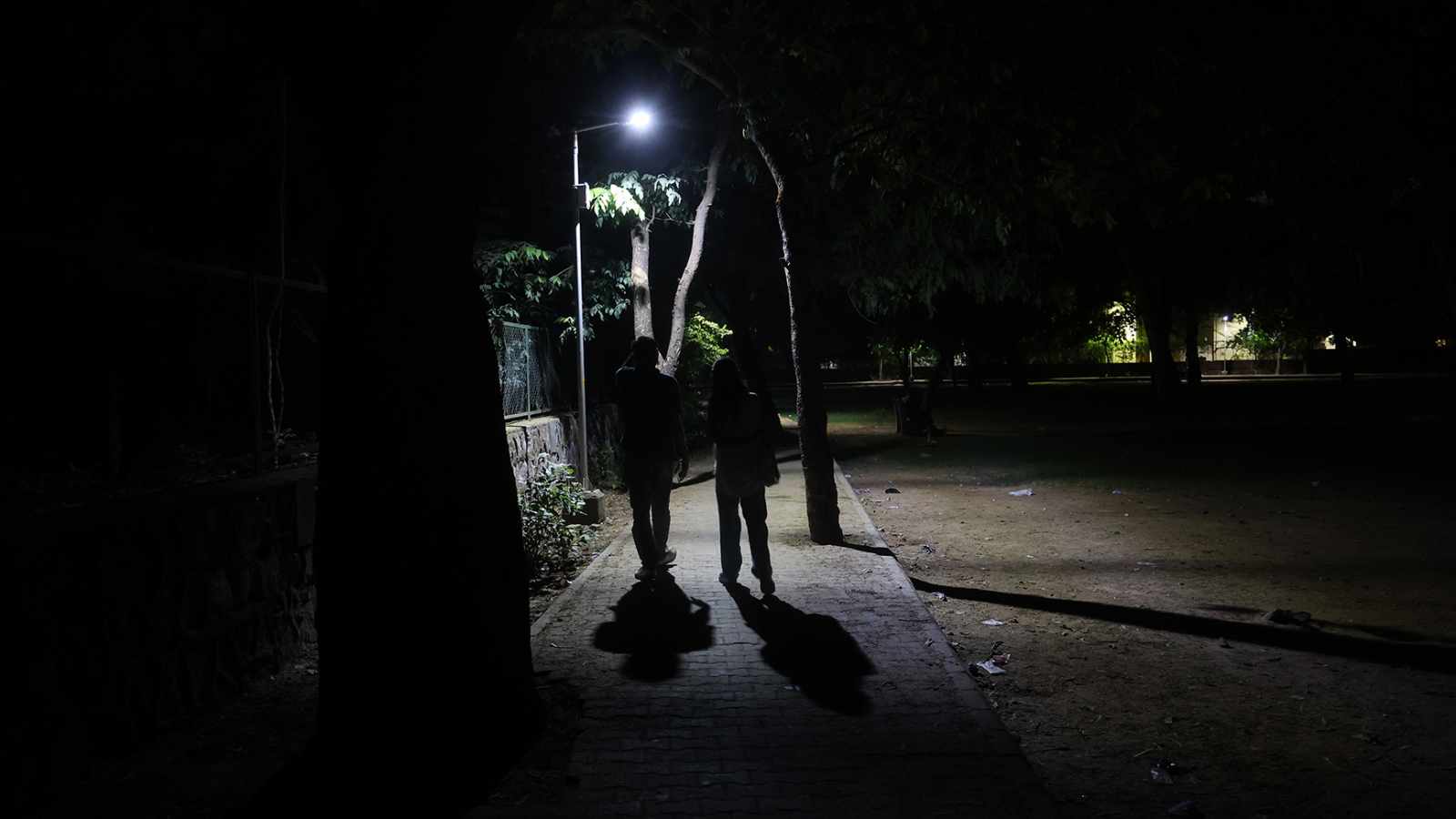
Delhi Police Seeks Cameras and Lights After Park Attack
Supreme Court May Defer Legislative Privilege and Free Speech Ruling

Calcutta High Court Extends Mahua Moitra Security Protection

Supreme Court Seeks Bengal Response on Mahua Moitra Protection Plea