

5 hrs ago
Delhi Women's Protests Question the Limits of Patriarchal Bargains
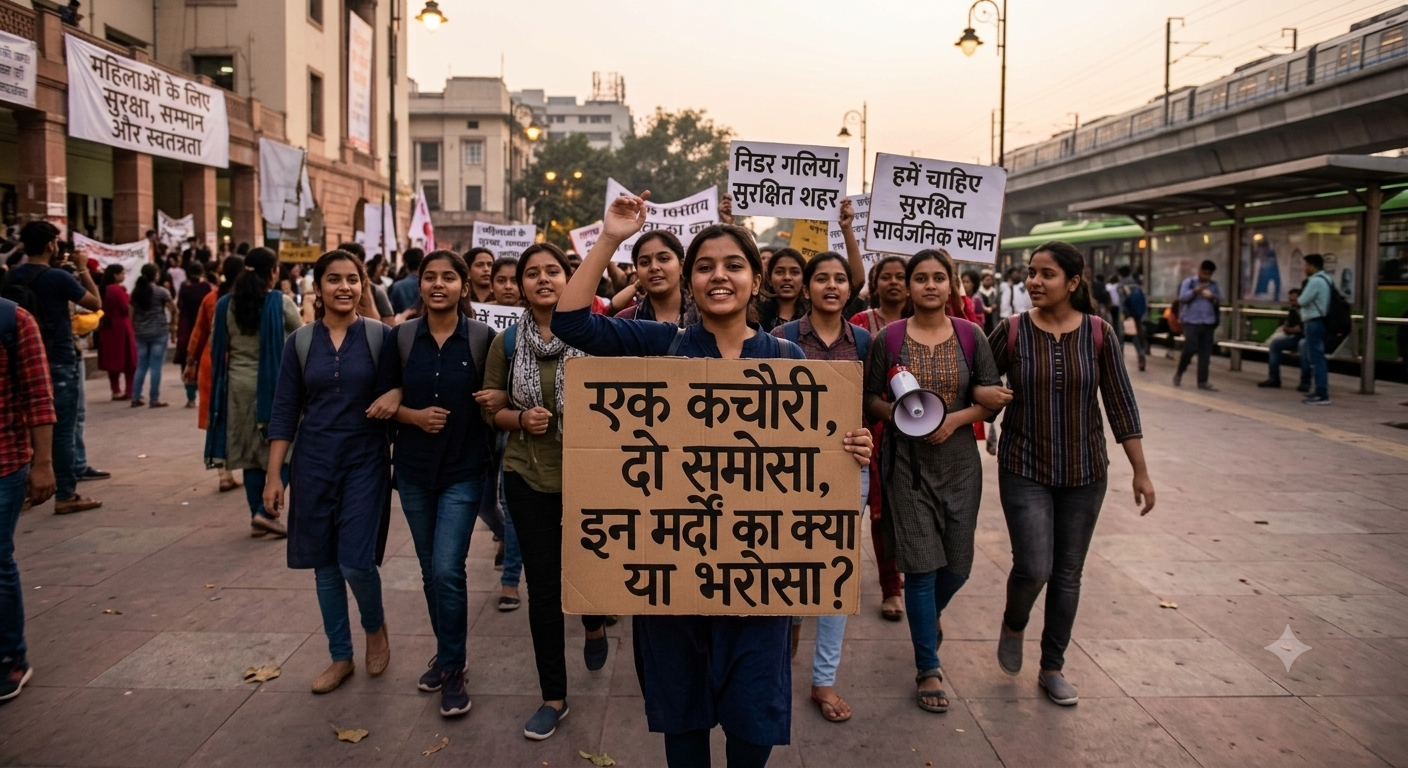
Women and girls in Delhi protested after reports of sexual violence.
They asked for safer streets, better transport and accountability.
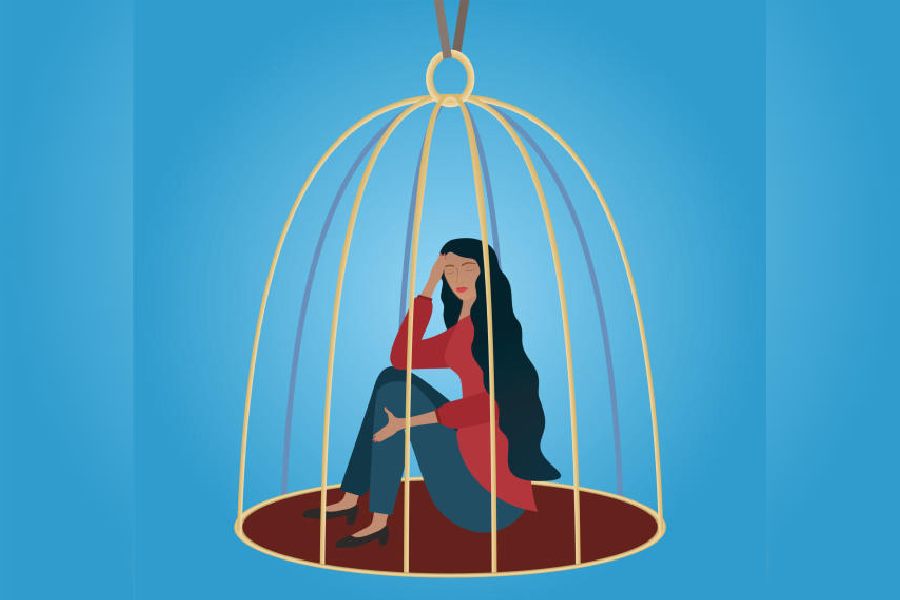
Some responses to danger limit where women can go.
The article explains an idea called the “patriarchal bargain,” developed by scholar Deniz Kandiyoti.
It describes ways women may try to gain security within rules that give men more power.
In some settings, following those rules can bring a sense of protection or influence.
The protesters are instead demanding safety while also claiming their freedom to use public spaces.
The article asks whether this challenges the bargain, but does not give a final answer.

After reports of sexual violence, women and girls in Delhi protested for safer public spaces, better public transport and accountability.
Some state and social responses to sexual violence restrict women's movement; after an alleged attack in a Delhi park, Lady Shri Ram College moved classes online.
Feminist scholar Deniz Kandiyoti uses “patriarchal bargain” to describe strategies women adopt within different systems of male dominance.
In classic patriarchy, women may seek security by complying with expectations of submissiveness and propriety, sometimes gaining influence within the family.
The article asks whether Delhi protesters' demands and playful slogans represent a patriarchal bargain or challenge the trade-off between protection and freedom.
- Who
- Women and girls protesting in Delhi; the article discusses feminist scholar Deniz Kandiyoti's concept.
- What
- Protests demanded safety, improved public transport and accountability, prompting discussion of the patriarchal bargain.
- Where
- Delhi, India.
- When
- Following reports of sexual violence, including an alleged attack in Delhi last month.
- Why
- Protesters sought safer public spaces and rejected restrictions on women's mobility as the price of protection.
Protection through compliance
Safety without restrictions
How women respond to danger
Protection through compliance
Within some patriarchal systems, women may comply with expectations of submissiveness and propriety in exchange for a sense of security.
Safety without restrictions
The Delhi protesters demand safety and accountability while asserting their right to public space, rather than accepting restrictions on their mobility.
What the protests mean
Protection through compliance
The article asks whether the protests and slogans might still reflect strategies shaped by the patriarchal bargain.
Safety without restrictions
The protests may go beyond that bargain by refusing the proposed trade-off between protection and women's freedom; the article leaves the question open.
Key facts
- Main demands
- Safe public spaces, improved public transport and accountability.
- Concept discussed
- The patriarchal bargain: strategies women use within the constraints of particular patriarchal systems.
- Scholar cited
- Deniz Kandiyoti.
- Reported incident
- A minor girl was allegedly gang-raped in a Delhi park by three men posing as police officers.
- College response
- Classes at Delhi University's Lady Shri Ram College were moved online after the reported incident.
- Question raised
- Whether the protests constitute a patriarchal bargain or go beyond one.
Quotes
Protesting women
Women participating in protests following reports of sexual violence.
“Ek Kachori, Do Samosa, Inn Mardon Ka Kya Bharosa?”
 indianexpress.com
“Ek Aloo, Do Pyaaz, Bhaad Mein Jaye Mard Samaj”
indianexpress.com
Sources
Related news
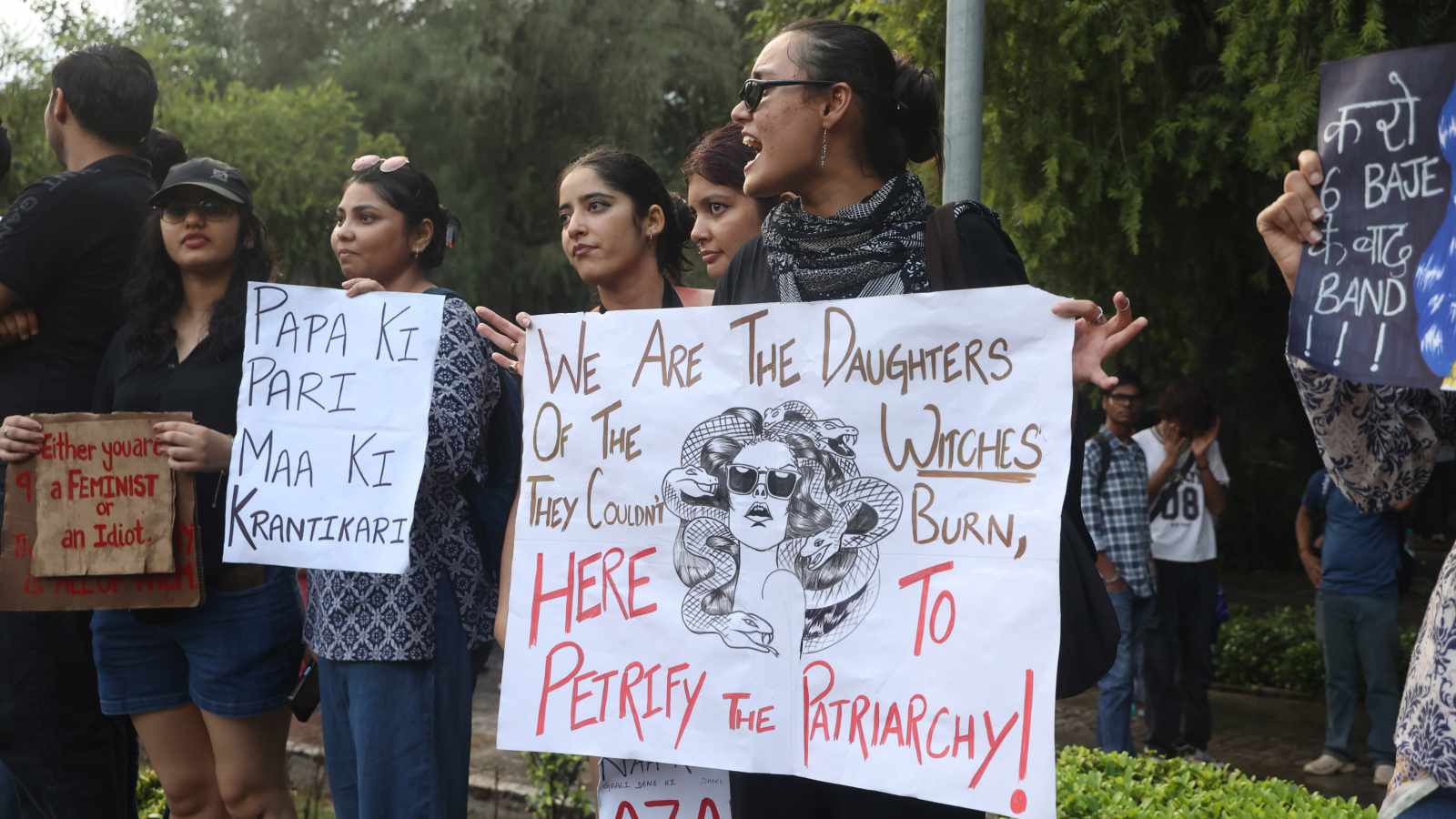
Women’s Safety Requires Reformed Streets, Not Restricted Movement

Women’s Freedom Shrinks Outside Lady Shri Ram College

Delhi Protest Slogan “Long Live Patriarchy” Sparks Online Debate

Delhi University Students Intensify Women’s Safety Protests After Kalkaji Gang-Rape
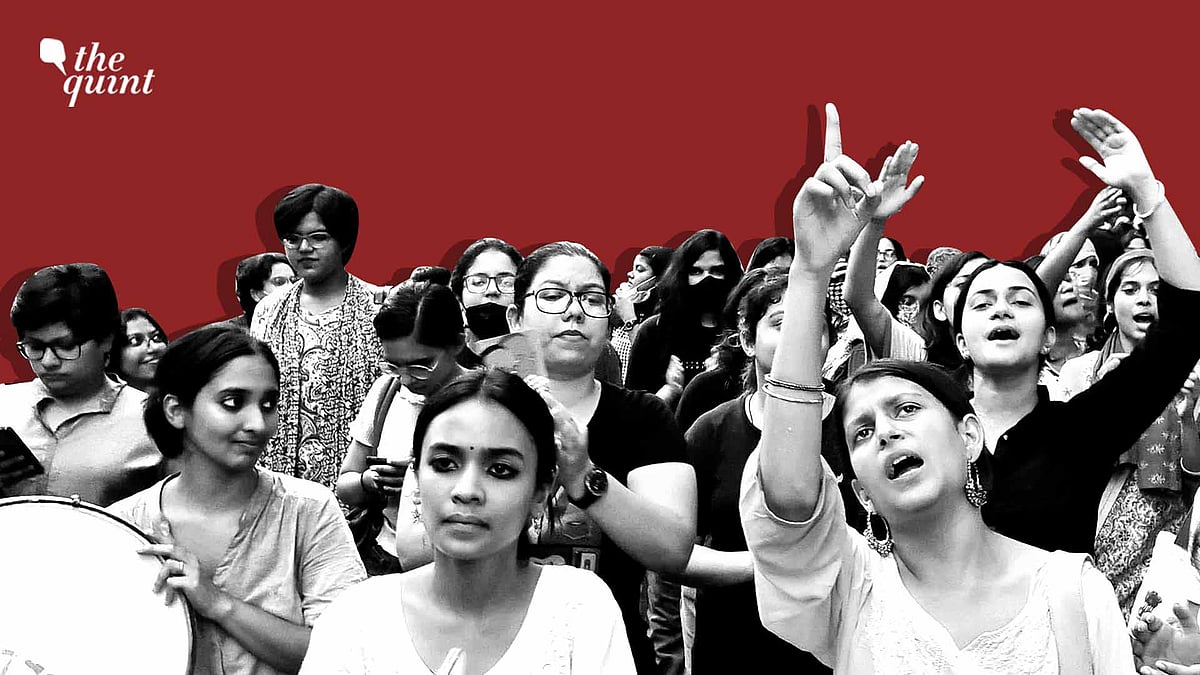
Women’s Safety Requires Access, Accountability and Shared Responsibility

Vadia’s Child Marriage Crisis Exposes Gujarat’s Social Inequality
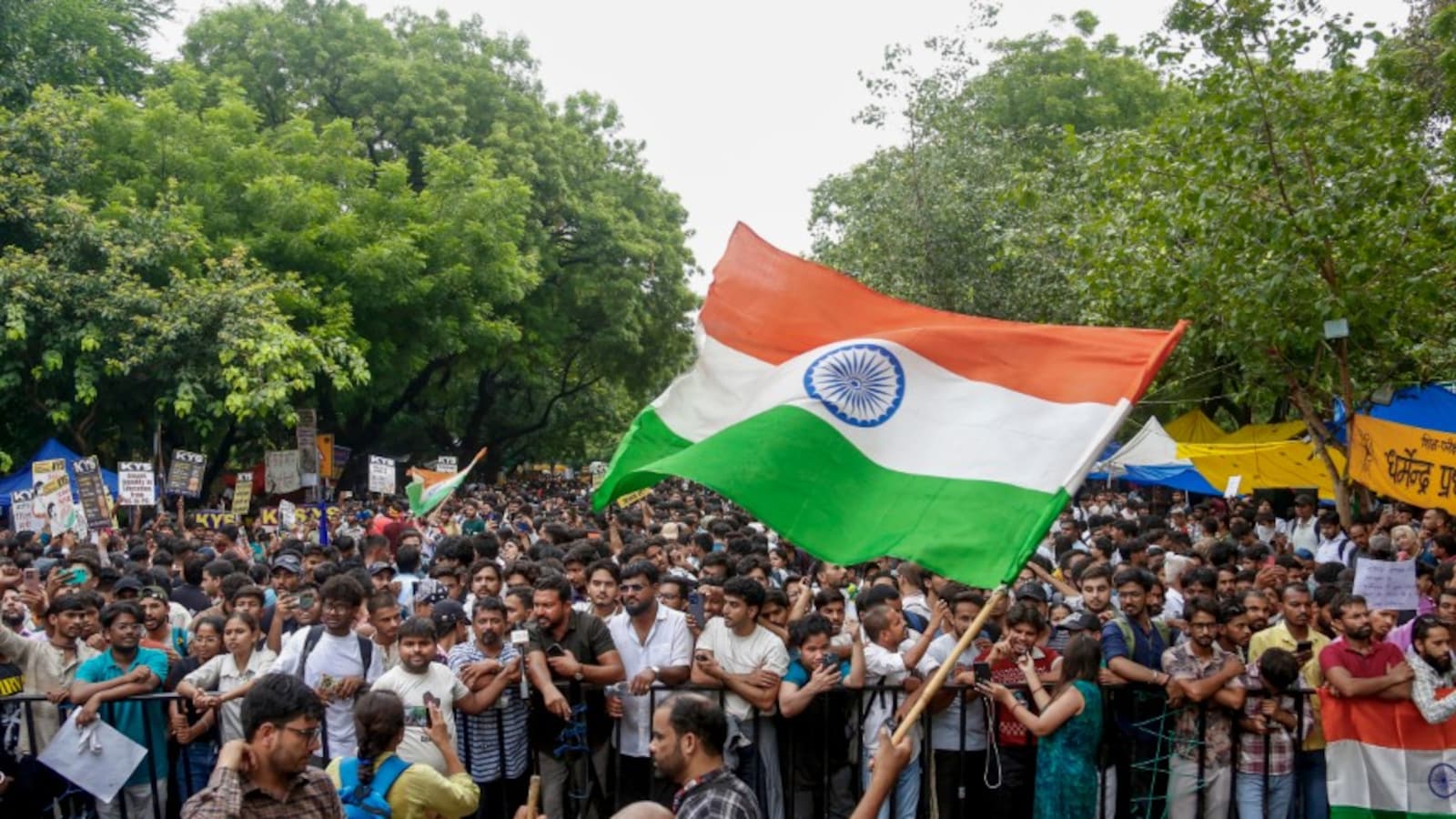
India Records 60 Protests Over Election, Safety Issues
Letters Urge Safer Institutions and More Thoughtful Travel

Remote Work and Online Classes May Reinforce Restrictions on Women

'Ek Kachori Do Samosa' Slogan Inspires Viral Singing Reel
