

1 hr ago
Childhood Cancer Survivors Face Lifelong Care Beyond Treatment

Many children who have cancer get better and finish treatment.
But finishing treatment is not always the end of their medical care.
Some medicines and radiation can affect the body years later.
Doctors may check growth, learning, the heart, fertility and emotions as children grow up.
These problems are possible, but they do not happen to every survivor.
Regular checkups can help doctors find problems early.
Counseling, healthy nutrition and rehabilitation can also help.
Doctors now want children not only to survive cancer, but also to grow into healthy adults.
Many survivors go on to study, work, have families and live full lives.

Improving survival rates are shifting pediatric oncology toward long-term survivorship care.
Cancer treatment may later affect growth, puberty, fertility, heart health, learning, bones and other organs.
Some survivors may experience anxiety, social difficulties, hearing loss, dental problems or early cataracts.
Doctors stress that possible complications vary by age, cancer type, treatment intensity and individual health.
Regular screening, rehabilitation, nutrition and psychological support can help survivors lead healthy adult lives.
- Who
- Childhood cancer survivors, their families and pediatric oncology doctors.
- What
- Medical care is expanding from treating childhood cancer to monitoring and reducing long-term effects after treatment.
- Where
- The article cites specialist hospitals and doctors in Delhi and Gorakhpur.
- When
- During treatment and for years or decades after treatment ends.
- Why
- Some cancer treatments can cause later physical, developmental, cognitive or psychological effects, making long-term follow-up important.
Key facts
- Main goal
- Help children survive cancer and reach adulthood with as few treatment-related consequences as possible.
- Possible growth effects
- Slower growth, delayed puberty, thyroid problems and diabetes may occur in some survivors.
- Organs requiring monitoring
- The heart, lungs, kidneys and bones may require follow-up after treatment.
- Other possible effects
- Treatment may contribute to fertility problems, dental issues, hearing loss, early cataracts or learning difficulties.
- Psychological effects
- Some survivors may experience anxiety or difficulty adjusting socially after intensive illness and treatment.
- Second cancer risk
- There is a small but real risk of a later, unrelated cancer, depending on the treatment received.
- Supportive care
- Regular screening, counseling, nutrition, rehabilitation and psychological support are recommended elements of survivorship care.
Quotes
Dr Narendra Agrawal
Senior Consultant and Unit Head of Haemato-Oncology at Rajiv Gandhi Cancer Institute & Research Centre
“Beating childhood cancer is a huge win but doctors today are looking further ahead than just survival. They're asking: what does life look like for this child at 30, 40, 50?”
 firstpost.com
“The treatments for childhood cancers may have effects even when treatment is completed and this is what clinicians have considered moving past survival.”
firstpost.com
Sources
Related news

Scientists Track Long-Term Health of Children Exposed to 9/11 Dust

Young Mother Battled Stage IV Cancer to See Son Grow
Mumbai Doctors Save Eritrean Teen From Rare Blood Cancer
Why Cancer Can Return Years After Successful Treatment

Chemotherapy, Nutrition Deficiencies, and the Risk to Nerve Health
Maharashtra Pushes Preventive Healthcare to Address Obesity, Lifestyle Diseases
Delhi’s Free Cancer Hospital Leaves Patients Paying for Care
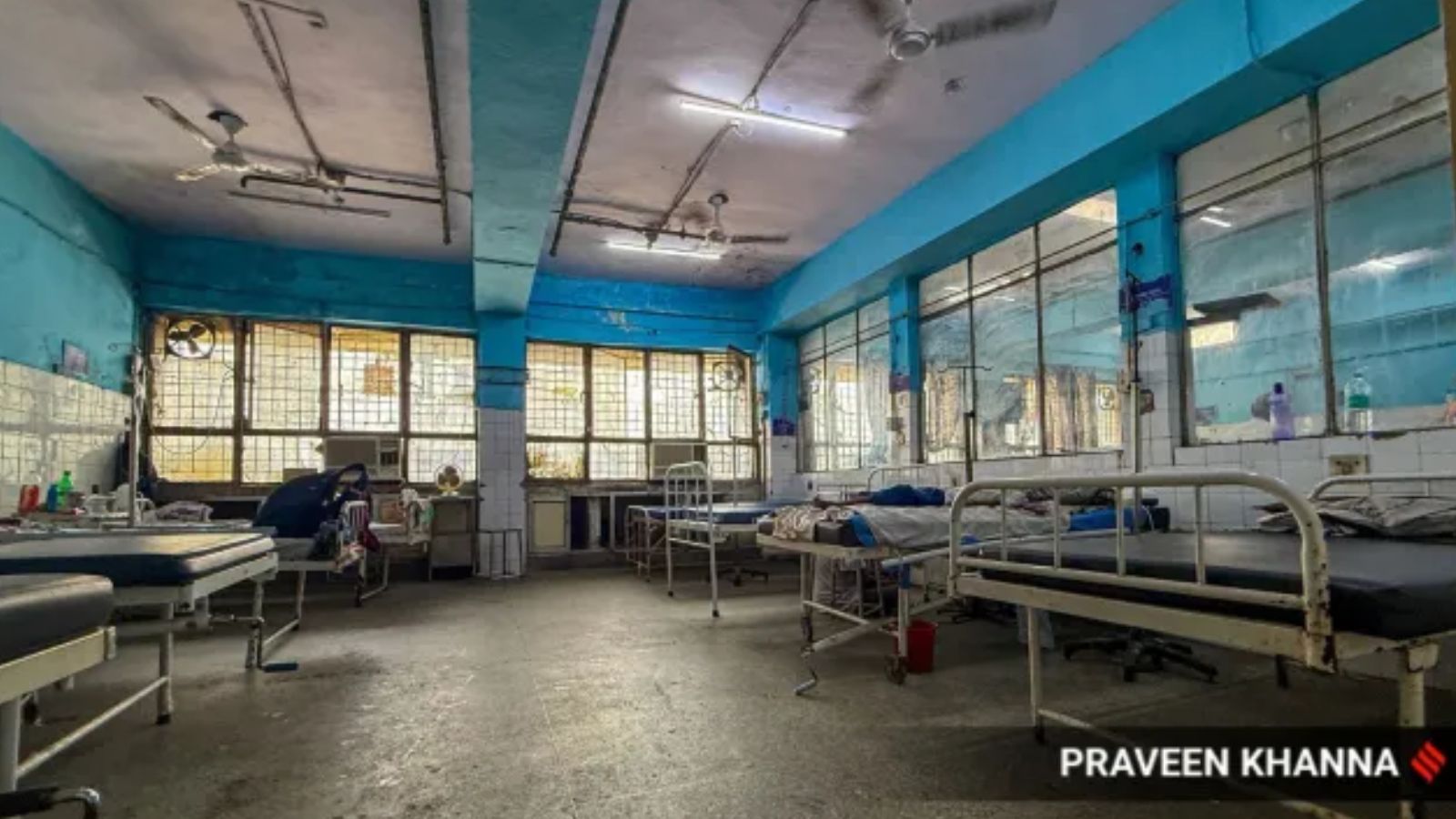
Medical equipment worth crores found unused at Delhi government hospitals

RGCIRC Conference Highlights Evolving Role of OT Nurses in Safer Care
