

2 hrs ago
Fed Hikes Rates to 4%, Pressuring India’s Rupee and Markets

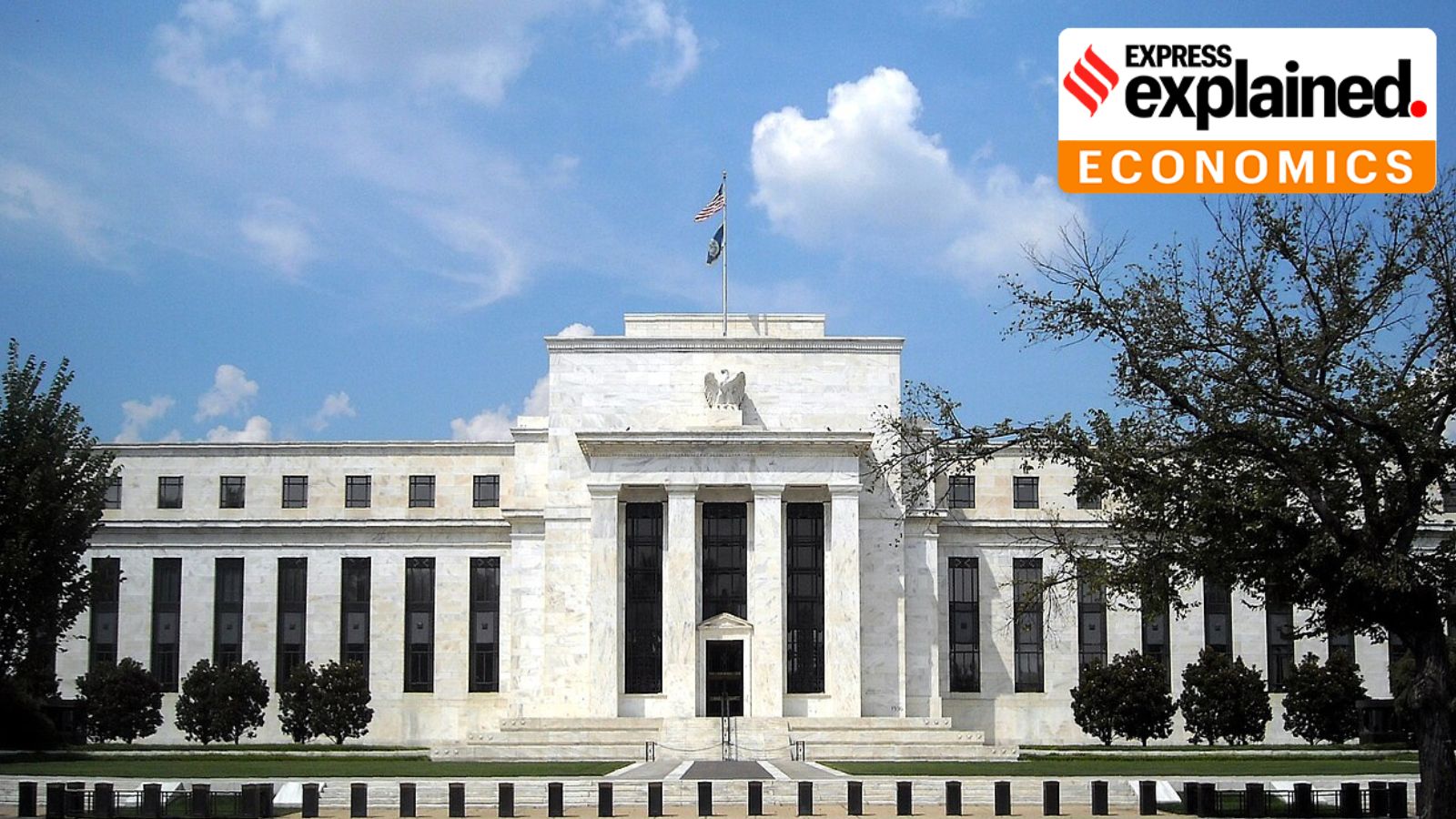
The Federal Reserve, America’s central bank, raised interest rates to 4 percent.
It did this because prices in the United States are rising faster than the Fed wants.
Higher rates make borrowing money more expensive, which can slow spending.
The increase can also make US investments more attractive to investors around the world.
This may put pressure on India’s rupee and reduce foreign investment in Indian markets.
The rupee briefly weakened to 96.10 against the dollar before recovering slightly.
Indian stocks moved up and down but finished almost unchanged.
High oil prices are adding more pressure because India is affected by expensive crude.
India’s central bank may face pressure to reconsider its own interest-rate policy.

The Federal Reserve raised its policy rate by 25 basis points, from 3.75% to 4%, on September 16, 2026.
The Fed cited inflation, with US consumer prices up 3.4% annually in August versus its 2% target.
The dollar strengthened after the decision, while India’s rupee briefly fell to 96.10 per dollar before closing at 95.89.
Higher US rates could reduce foreign portfolio investment in India as dollar assets become more attractive.
India’s Sensex was volatile but ended nearly flat, down 21.86 points, amid pressure from higher rates and crude oil above $100 per barrel.
- Who
- The US Federal Reserve, led by Chair Kevin Warsh, made the decision; Indian markets and the Reserve Bank of India may be affected.
- What
- The Federal Reserve raised its interest rate by 25 basis points to 4%.
- Where
- The decision was made in the United States, with potential effects on India and other developing economies.
- When
- Wednesday, September 16, 2026; the article says the Bank of Japan could act on Friday, September 18.
- Why
- The Federal Reserve said inflation remained above its 2% target and sought to prevent temporary price pressures from becoming persistent.
Federal Reserve’s rationale
Market and policy concerns
Purpose of the rate hike
Federal Reserve’s rationale
The Federal Reserve said higher rates are needed to bring inflation back toward its 2% target and prevent price shocks from spreading into wages and broader expectations.
Market and policy concerns
The article argues that much of the inflation pressure comes from supply shocks, including expensive oil, so higher borrowing costs may not directly reduce energy prices.
Impact on India
Federal Reserve’s rationale
A stronger dollar and more attractive dollar-denominated assets could encourage investors to move money away from emerging markets.
Market and policy concerns
India could face added pressure on the rupee, foreign portfolio investment, bond yields and stocks, especially while crude prices remain elevated.
Future monetary policy
Federal Reserve’s rationale
The Federal Reserve’s projections indicate that most officials expect at least one more rate increase by the end of 2026.
Market and policy concerns
The article says persistently high borrowing costs could worsen US debt-servicing pressures and may also force the Reserve Bank of India to reassess its policy stance.
Key facts
- Federal Reserve rate
- Raised from 3.75% to 4%, a 25-basis-point increase.
- US consumer inflation
- Rose 0.4% in August and 3.4% over the previous 12 months.
- US inflation target
- 2%.
- Rupee movement
- Fell to an intraday low of 96.10 per dollar and closed at 95.89.
- Sensex performance
- Closed nearly flat, down 21.86 points, after significant intraday swings.
- Crude oil
- Remained above the psychological $100-per-barrel level; the article also reported prices above $105.
- Further US rate outlook
- Sixteen of 18 Fed officials projected at least one more quarter-point hike by the end of 2026.
Sources
Related news

US Fed Hike Puts India’s Rupee And Markets Under Pressure

Fed Rate Hike Signals Cautious Start for Indian Markets

Rupee Opens Lower as Fed Hike Strengthens Dollar

Rupee Falls Past 96 Per Dollar After Fed Rate Hike

US Fed Rate Hike Puts Indian Markets, Rupee Under Watch
US Fed Raises Rates as RBI Faces Pressure to Follow

Global stocks rebound as yields retreat after central-bank decisions

Wall Street Falls as Fed Signals Higher Rates Ahead
