

1 hr ago
Japan Trade Deal Could Reshape U.S. Energy Investment

The United States and Japan made a trade deal involving energy projects.
Japan will help provide money for these projects.
At first, the money earned will be divided equally between the two countries.
Japan will first get back the money it invested, plus interest.
After that, the United States will receive 90% of the money earned.
Japan will receive the remaining 10%.
Some people in Japan think this arrangement gives the United States most of the benefits.
Officials from both governments did not comment when asked about the deal.

The trade deal includes investments in U.S. energy projects.
Cash flows will initially be split equally between Japan and the United States.
Japan must recover its initial investment plus interest before the split changes.
After that point, cash flows will be divided 90% for the U.S. and 10% for Japan.
Japanese critics say the financing structure appears to favor the United States.
- Who
- The governments of the United States and Japan are involved; Takahide Kiuchi criticized the financing structure.
- What
- A trade deal includes an investment arrangement for energy projects.
- Where
- The projects are in the United States, while concerns were raised in Japan.
- When
- Why
- The arrangement is intended to finance energy projects, but its terms have prompted criticism because they appear to favor the United States.
Japanese Concerns
U.S. Advantage
Distribution of Project Benefits
Japanese Concerns
The arrangement appears to give Japan limited long-term benefits after it recovers its investment and interest.
U.S. Advantage
The United States would receive 90% of cash flows after Japan recoups its investment plus interest.
Fairness of Financing Terms
Japanese Concerns
Japanese criticism and Takahide Kiuchi's assessment suggest the structure heavily favors the United States.
U.S. Advantage
The United States receives the larger share of future cash flows while Japan initially receives an equal split and repayment of its investment plus interest.
Key facts
- Initial cash-flow split
- 50% for Japan and 50% for the United States.
- Recovery condition
- The 50/50 split continues until Japan recoups its initial investment plus interest.
- Later cash-flow split
- 90% for the United States and 10% for Japan after the recovery condition is met.
- Japanese reaction
- There has been grumbling in Japan about the arrangement.
- Expert assessment
- Takahide Kiuchi said the financing structure appears to heavily favor the United States.
- Official responses
- Representatives for the Japanese government and the U.S. Department of Commerce did not respond to requests for comment.
Sources
Related news

Canada Suspends U.S. Trade Talks, Vows Dollar-for-Dollar Tariffs
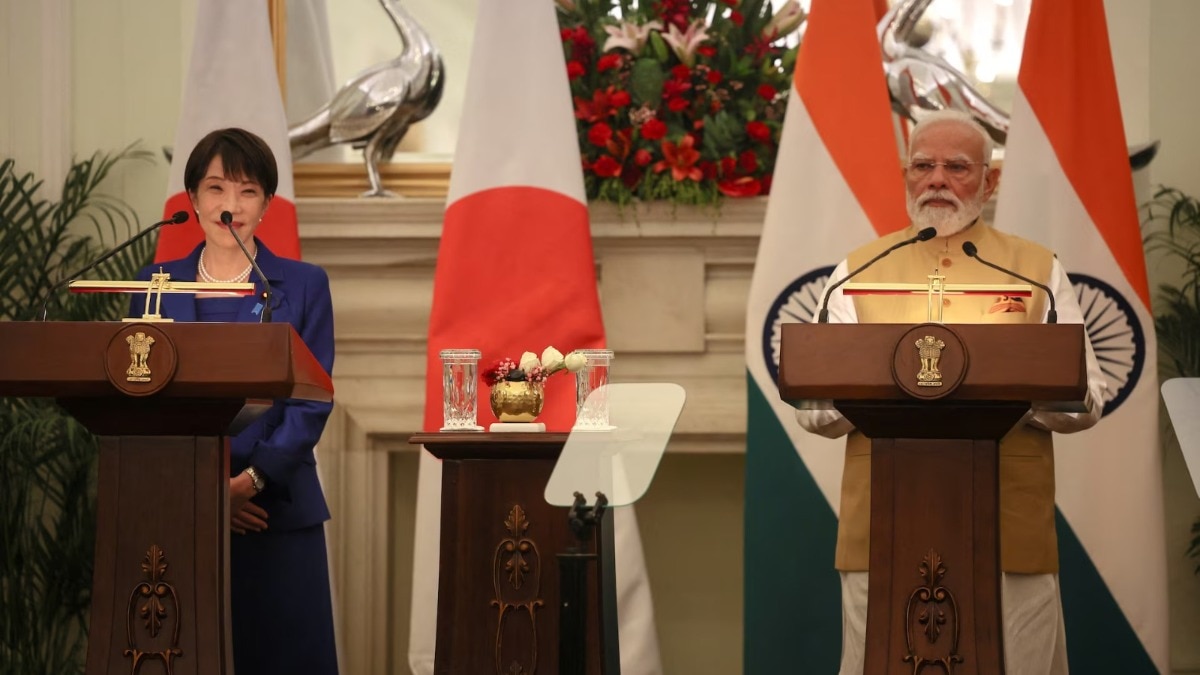
India and Japan Deepen Economic and Security Partnership

Japan Sets July Export Record Despite Third-Month Trade Deficit

Goyal Sets Preferential Tariff Condition for India-US Trade Deal

US-Canada Trade Talks Collapse as Tariffs Trigger Retaliation
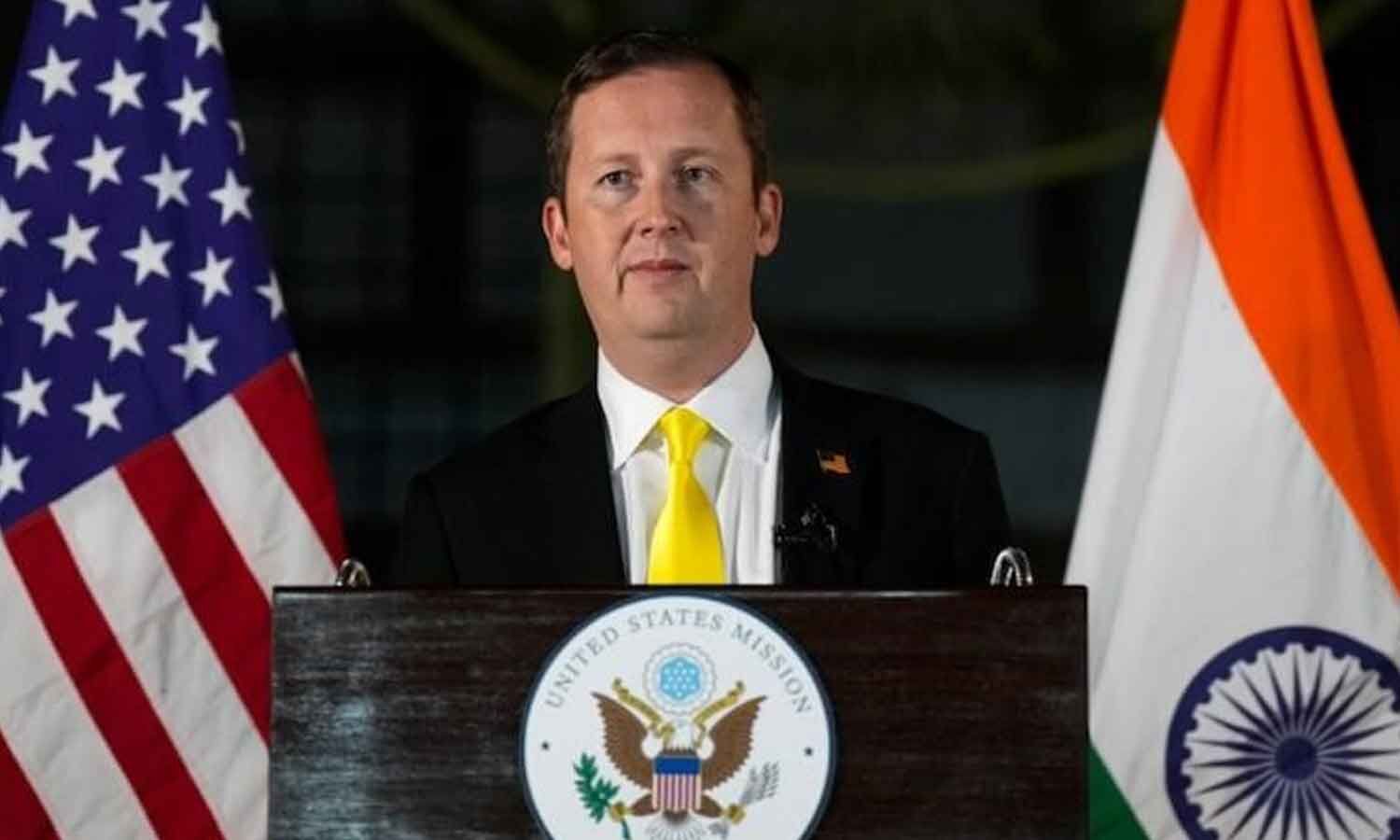
India-US Trade Deal Nears Completion Amid Tariff and Alliance Questions

Foreign Holdings of U.S. Treasuries Fall for Second Month

Ankamma Chowdary Named Indian Badminton Delegate Asian Games

Indians With Certain Foreign Visas Can Enter Uzbekistan Visa-Free

EQT Plans $50 Billion India Investment Focused on AI, Renewables
