

3 hrs ago
Cardiologist Urges Breaking Eight Habits to Protect Heart Health

Heart disease can develop quietly for many years before someone feels chest pain.
A cardiologist says some everyday habits can make heart problems more likely.
These include smoking, eating too much salt or added sugar, sitting for long periods and not sleeping well.
Long-lasting stress and excessive alcohol can also affect the heart.
Skipping health checks is risky because high blood pressure, diabetes and high cholesterol may have no warning signs.
Moving regularly, sleeping better and choosing healthier ways to manage stress can help.
The article recommends quitting smoking rather than only cutting down.
People do not need to change everything at once and can begin with one habit.
Checking heart-health numbers with a doctor is also important, especially for people with other risk factors.

Smoking damages blood vessels, and completely quitting is recommended over simply reducing cigarette use.
Excess salt and added sugar can contribute to high blood pressure, weight gain, diabetes and other cardiovascular risks.
Long periods of sitting, poor sleep and chronic stress can negatively affect heart-related risk factors.
Excessive alcohol may raise blood pressure and contribute to abnormal heart rhythms.
Regular checks of blood pressure, blood sugar and cholesterol can detect silent risks before a major cardiac event.
- Who
- Dr. Chanakya Kishore Kammaripalli, Clinical Director and Senior Interventional Cardiologist at CARE Hospitals.
- What
- The cardiologist identifies eight everyday habits to leave behind to help reduce cardiovascular risk.
- Where
- The article identifies CARE Hospitals, Hitech City, Hyderabad.
- When
- Ahead of World Heart Day; the articles do not provide an exact date.
- Why
- Heart disease risk can build silently over time through factors such as high blood pressure, diabetes, high cholesterol, smoking, excess weight and inactivity.
Key facts
- Habits discussed
- Smoking, excess salt, added sugar, prolonged sitting, poor sleep, chronic stress, excessive alcohol and skipping health checks.
- Silent risks
- High blood pressure, high cholesterol and diabetes can remain unnoticed for years.
- Smoking advice
- Reducing cigarette use may be a step toward quitting, but the stated goal should be complete cessation.
- Dietary concerns
- Sodium can come from packaged foods, pickles, snacks, sauces and restaurant meals; added sugar is common in sugary drinks, sweets and highly processed foods.
- Movement advice
- Take short walking breaks, use stairs when possible and avoid sitting continuously for long periods.
- Recommended checks
- Know your blood pressure, blood sugar and cholesterol, and discuss cardiovascular risk with a doctor.
Sources
Related news

Everyday Habits That May Raise Blood Pressure Unnoticed
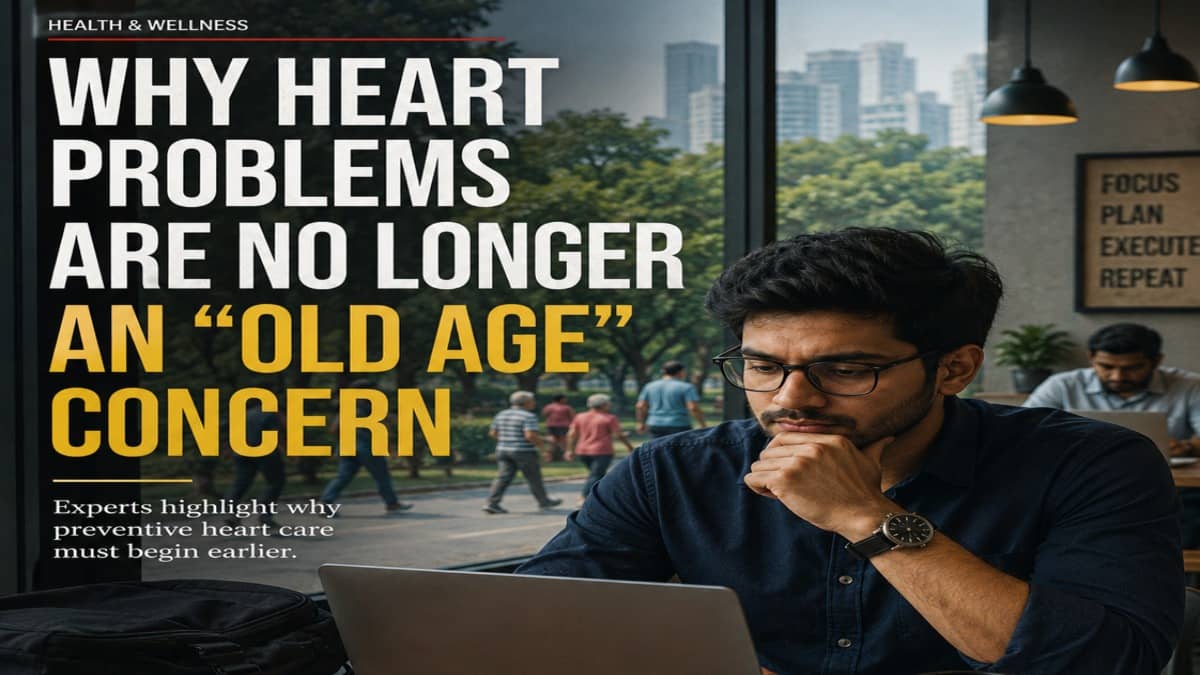
Heart Disease Is Increasingly Affecting Younger Adults in India

Prolonged Sitting Raises Long-Term Risks for Spine and Heart

Cardiologist Prioritises Home Blood Pressure Monitoring and Activity

Study Links Regular Stair Climbing With Lower Heart Risk

Sleep Apnoea May Strain the Heart: Warning Signs and Care

Naman Gosalia Advances Cardiovascular Prevention at UN AI Dialogue

Young Indians Lag in Cardiac Insurance Amid Rising Risks

World Heart Day: Focus on Daily Activity to Improve Health
