

1 hr ago
Sleep Apnoea May Strain the Heart: Warning Signs and Care
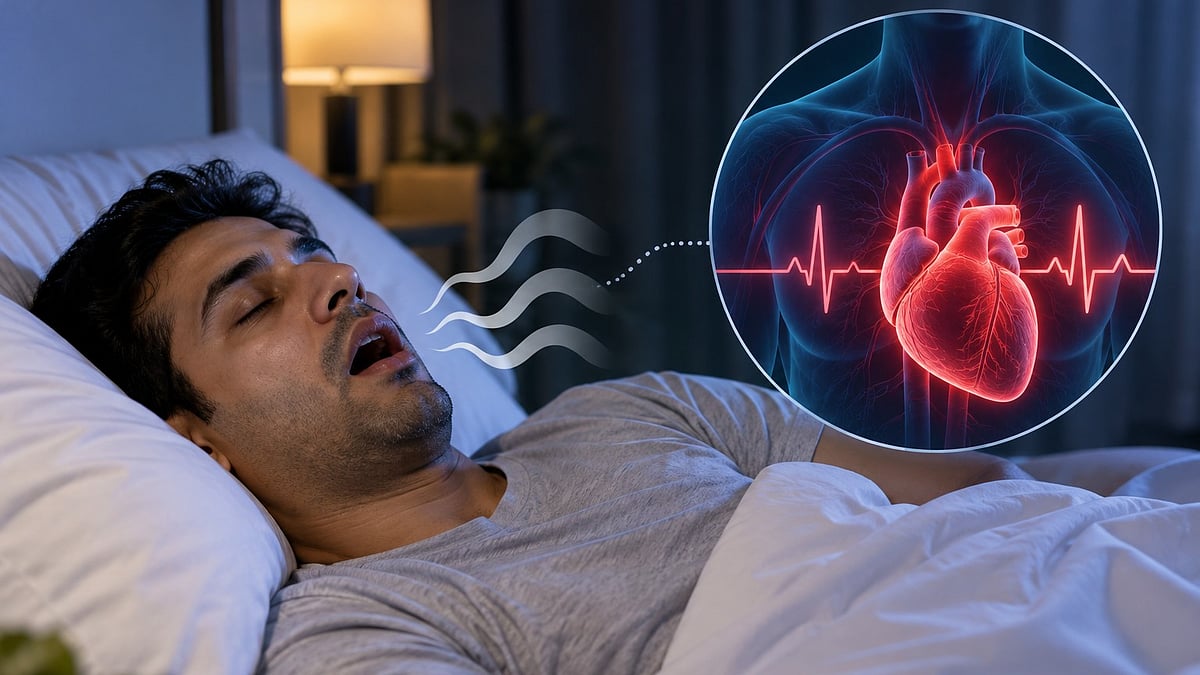
Sleep apnoea is a problem where breathing stops and starts while someone is asleep.
The most common type happens when relaxed throat tissues block the airway.
People may snore loudly, gasp, or feel very tired during the day.
Each breathing pause can lower oxygen and make the heart work harder.
Over time, this may increase the risk of high blood pressure, heart disease, irregular heartbeats and stroke.
People with obesity, diabetes, high blood pressure or heart problems may need to be especially alert to symptoms.
Sleeping on one’s side, avoiding smoking and limiting alcohol before bed may help.
Doctors may recommend treatments such as CPAP, oral appliances or, in selected cases, surgery.

Obstructive sleep apnoea repeatedly blocks breathing during sleep when throat tissues relax.
Warning signs include loud snoring, gasping, breathing pauses, morning headaches and daytime sleepiness.
Repeated oxygen drops can raise heart rate and blood pressure and strain the heart.
Untreated sleep apnoea is linked to hypertension, heart disease, arrhythmias, stroke and metabolic problems.
Medical evaluation, healthy habits and prescribed treatments such as CPAP can help manage the condition.
- Who
- People with sleep apnoea, particularly those with high blood pressure, diabetes, obesity or existing heart conditions, are at concern.
- What
- Sleep apnoea can repeatedly interrupt breathing, lower oxygen levels and increase strain on the heart.
- Where
- The breathing obstruction occurs in the throat and airway during sleep.
- When
- The effects occur during repeated breathing interruptions at night and may contribute to long-term health risks.
- Why
- Repeated oxygen drops and stress responses can raise heart rate and blood pressure and contribute to inflammation and blood-vessel changes.
Key facts
- Most common type
- Obstructive sleep apnoea, caused when relaxed throat muscles and soft tissues temporarily block the airway.
- Warning signs
- Loud persistent snoring, choking or gasping, pauses in breathing, morning headaches, dry mouth, poor concentration and excessive daytime sleepiness.
- Heart effects
- Breathing pauses can lower oxygen and temporarily raise heart rate and blood pressure.
- Long-term risks
- High blood pressure, coronary artery disease, atrial fibrillation, other arrhythmias, heart disease and stroke.
- Risk factors highlighted
- Obesity, diabetes, high blood pressure and existing heart conditions may increase concern.
- Potential treatments
- CPAP therapy, oral appliances and, in selected cases, surgery.
- Helpful measures
- Maintaining a healthy weight, avoiding smoking and alcohol or sedatives before bedtime, sleeping on the side and controlling related conditions.
Quotes
Dr Janhvi Siroya Shah
ENT and sleep specialist
“The most common type is obstructive sleep apnoea (OSA), which happens when the muscles and soft tissues in the throat relax and temporarily block the airway. Common warning signs include loud, persistent snoring, choking or gasping during sleep, pauses in breathing noticed by others, morning headaches, dry mouth, poor concentration, and excessive daytime sleepiness.”
 freepressjournal.in
“Every time breathing stops, oxygen levels can fall, and the body responds by releasing stress hormones. This can cause a temporary rise in heart rate and blood pressure and place additional strain on the heart. When these episodes occur repeatedly, the constant fluctuations in oxygen and blood pressure contributes to inflammation and changes in blood vessels.”
freepressjournal.in
Sources
Related news
Assam Doctor’s Gym Collapse Highlights Risks of Sudden Cardiac Arrest

Cardiologist shares five habits she never ignores for heart health

Why Heart Disease Symptoms Can Look Different in Women

Why auto, cab drivers may face a hidden heart risk

H1N1 Surge Raises Concerns About Hidden Heart Risks
