5 hrs ago
Spinal Cord Injury Rehabilitation Requires Coordinated, Long-Term Care
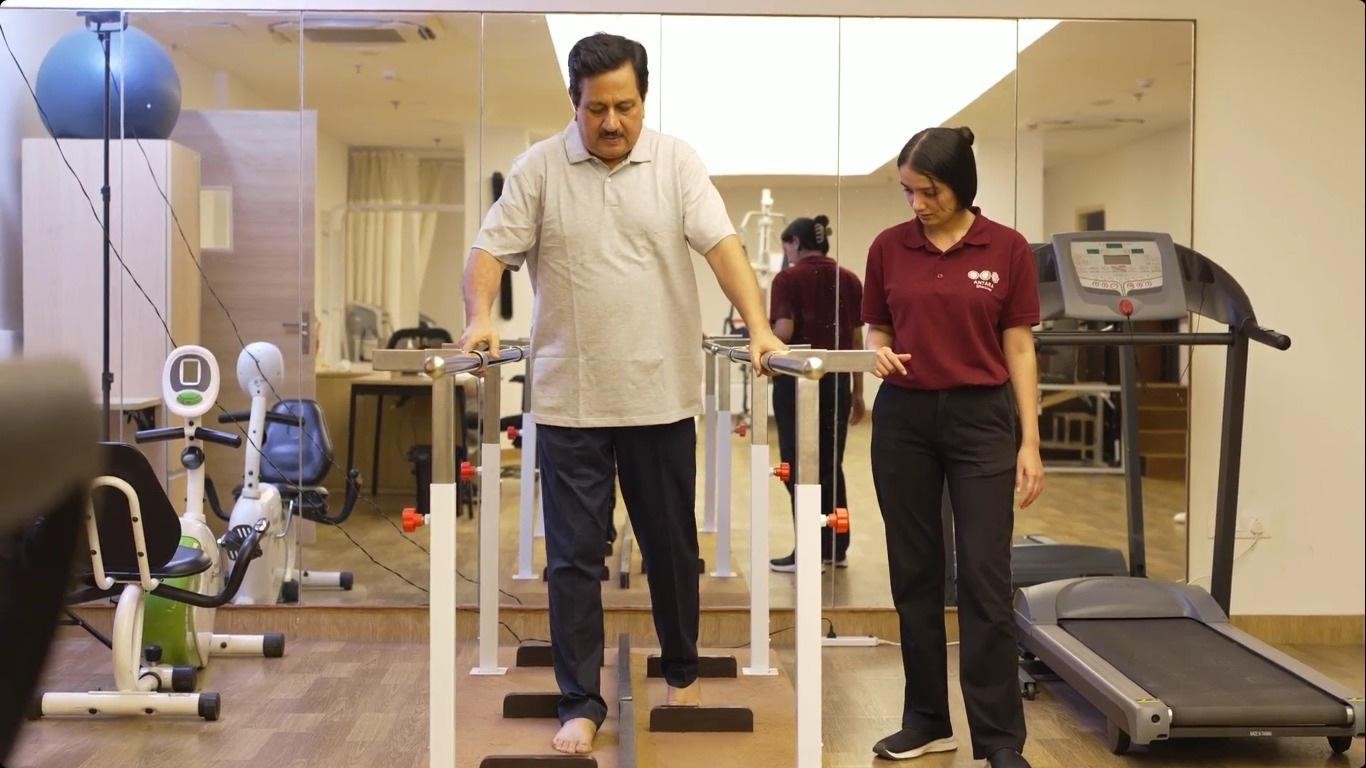
A spinal cord injury can change how a person moves and manages everyday activities.
Rehabilitation helps the body and mind adjust after the injury.
Different specialists work on movement, daily tasks, medical needs, nutrition, and emotional wellbeing.
Some people may regain significant movement, while others learn new ways to live independently.
Recovery can take months or years, and progress may be slow.
Therapists may practice sitting, moving between surfaces, dressing, eating, or walking with support.
Care teams also teach families how to prevent problems such as skin wounds and bladder complications.
Starting structured rehabilitation early and continuing it consistently can support progress and independence.

Spinal cord rehabilitation combines physiotherapy, occupational therapy, medical care, nutrition, and psychological support.
Recovery varies widely and depends partly on whether the injury is complete or incomplete under the ASIA Impairment Scale.
Therapy may address movement, balance, transfers, walking practice, daily tasks, and the use of adaptive equipment.
Rehabilitation also focuses on preventing pressure ulcers, blood clots, respiratory problems, spasticity, and autonomic dysreflexia.
The article recommends choosing a specialized center with coordinated staff, accessible facilities, family involvement, and insurance support.
- Who
- People recovering from spinal cord injuries, supported by physiotherapists, occupational therapists, nurses, psychologists, nutritionists, and caregivers.
- What
- The article explains what spinal cord injury rehabilitation involves and how to choose a rehabilitation center.
- Where
- The article is datelined New Delhi, India, and discusses rehabilitation centers, including Antara Care Homes.
- When
- The article is dated September 15; the year is not stated. Rehabilitation may continue for months or years, with some people making progress for a year or more.
- Why
- Rehabilitation aims to improve movement and independence, support daily living, and prevent medical complications after spinal cord injury.
Key facts
- Recovery duration
- Rehabilitation often takes months or years; some people continue making progress for a year or more.
- Injury classification
- The ASIA Impairment Scale distinguishes complete injuries from incomplete injuries.
- Core therapies
- Physiotherapy and occupational therapy address movement, mobility, daily tasks, and adaptive equipment.
- Medical prevention
- Care may include skin checks, repositioning, pressure relief, breathing exercises, and blood-clot prevention.
- Mental health
- The article cites research stating that post-spinal cord injury depression affects approximately 30 percent of survivors.
- Emergency risk
- Autonomic dysreflexia is described as a potentially dangerous blood-pressure rise, most common in injuries above T6.
- Center selection
- Families are advised to assess specialized experience, coordinated teams, accessible facilities, family involvement, and insurance support.
Sources
Related news
Early Stroke Rehabilitation Supports Mobility and Long-Term Independence
Revised Stroke Guidelines Urge Earlier, Gentler Rehabilitation

How Rehabilitation Helps People Return to Community Life

Madhuri the Elephant Returns After Rehabilitation in Maharashtra

New Stroke Guidelines Call for Rehabilitation Within 48 Hours

Specialised Physiotherapy Expands Beyond Injury Treatment

U.N. Weighs Underground Aid Storage After Warehouse Strikes
Congo Ebola Outbreak Shows Progress, But Peak Remains Unclear
Bangladesh Measles Outbreak Kills Over 1,000 Amid Vaccination Gaps
West Bengal Dengue Cases Double As Monsoon Raises Health Concerns