1 day ago
Coforge Launches Framework to Align AI Agents With Business Outcomes

Coforge has announced a way for businesses to set clearer rules for AI agents.
These agents can make decisions while doing work for a company.
The framework helps define what an agent should do and what it should not do.
It also sets goals for measuring success and rules for handling risks or unusual situations.
Coforge says teaching AI what to say and know is not enough.
Companies also need to guide AI toward the outcomes they want.
The approach focuses on responsible decisions and business impact, not just speed or finishing tasks.

Coforge announced an intent engineering framework for enterprises building agentic AI systems.
The framework is designed to align agents with business outcomes, governance requirements, and operational realities.
It defines an agent’s purpose, boundaries, success metrics, governance controls, and escalation pathways.
Coforge says prompt and context engineering can improve decisions but may not ensure alignment with actual business outcomes.
The framework emphasizes governance, quality, accountability, and business impact over completion, speed, or productivity alone.
- Who
- Coforge Limited, with commentary from Executive Vice President Vic Gupta.
- What
- Announced an intent engineering framework for aligning enterprise AI agents with business outcomes and governance.
- Where
- Mumbai.
- When
- Friday, 5 October 2026, as stated in the article.
- Why
- Coforge says prompt and context engineering do not guarantee that AI decisions will optimize for actual business outcomes.
Coforge’s case for intent engineering
Limits of existing approaches
How to guide enterprise AI decisions
Coforge’s case for intent engineering
Coforge presents intent engineering as a way to define objectives, boundaries, governance controls, and escalation paths before agents operate autonomously at scale.
Limits of existing approaches
The article notes that prompt and context engineering can improve decision quality, but Coforge says these methods do not guarantee optimization for business outcomes.
How to measure success
Coforge’s case for intent engineering
The framework prioritizes governance, quality, accountability, and business impact.
Limits of existing approaches
Coforge argues that relying solely on completion, speed, or productivity metrics is insufficient.
Key facts
- Framework
- Intent engineering
- Announcing company
- Coforge Limited
- Intended use
- Help enterprises align agentic AI systems with business outcomes, governance, and operational realities.
- Framework elements
- Purpose, boundaries, success metrics, governance controls, and escalation pathways.
- Article describing framework
- “The 3 Layers of Enterprise AI: From Prompts to Context to Intent”
- Design priorities
- Governance, quality, accountability, and business impact.
Sources
Related news
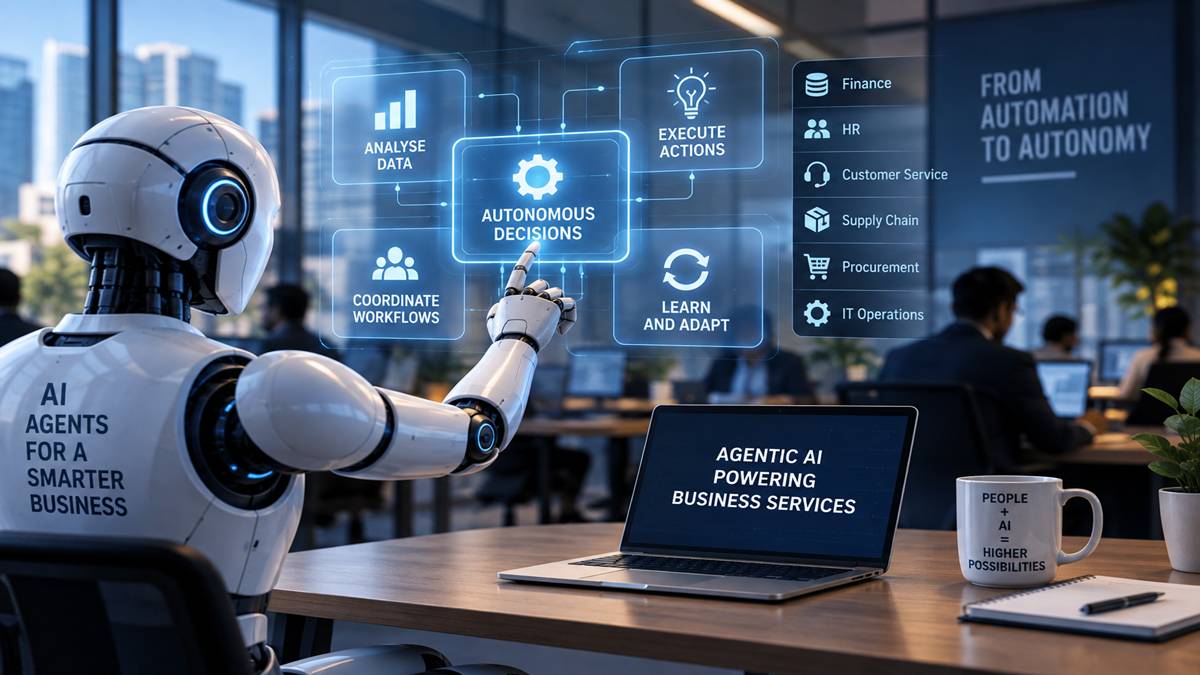
Agentic AI Reshapes Business Services With Human Oversight
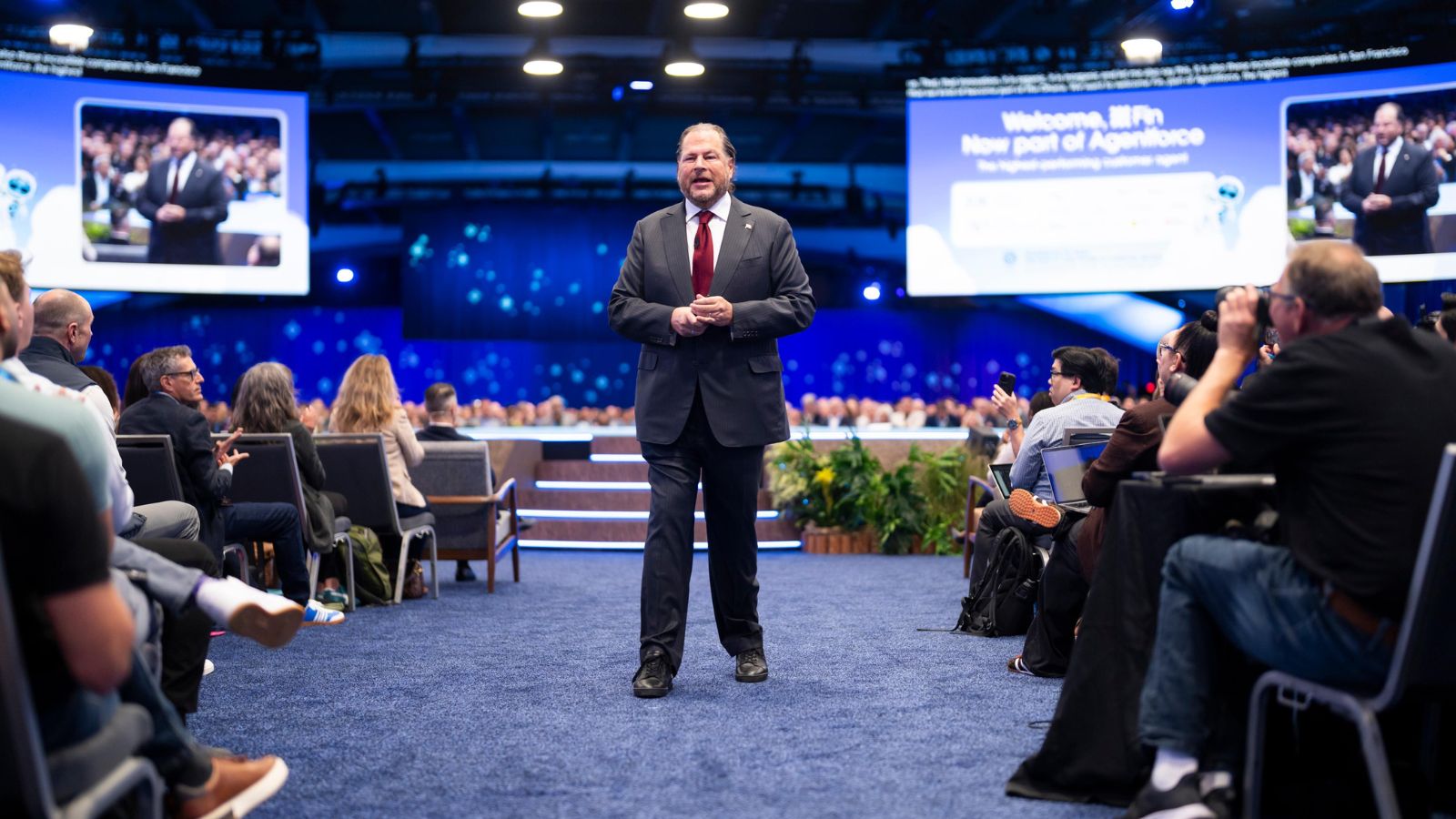
Salesforce Unveils Koa and AI Partnerships at Dreamforce

AI Costs Rise as Firms Seek Measurable Returns

Agentic AI Reshapes Business Through Ecosystem Orchestration

AI Agents Are Reshaping Jobs, Not Simply Replacing Workers

ITC Infotech Launches VANGUARDS to Advance Enterprise AI Transformation

Vidyut Jammwal’s 15-Minute Breath-Hold Raises Safety Questions

India’s SIR Dispute Sparks Protests, Court Review and Resignation Calls

KL Rahul and Athiya Shetty Spotted on Bandra Dinner Date

Max Estates Reports ₹3,200 Crore H1FY2027 Pre-Sales, Q2 Surges

Fadnavis Seeks Panel as MPSC Paper Leak Protests Escalate