

1 hr ago
Pistachio Popularity Grows as Water and Climate Risks Deepen
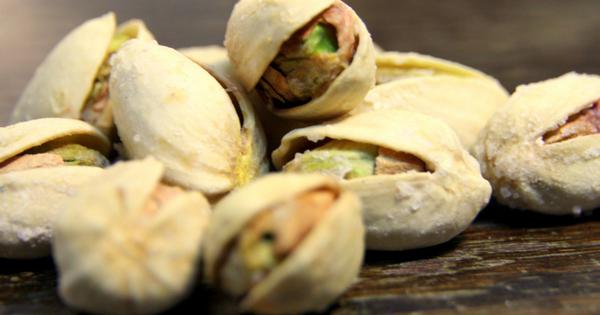
Pistachios have become a very popular luxury snack, and farmers produced more than 1.4 million tonnes in 2024.
Growing pistachios does not create as much pollution as producing beef or chicken.
However, pistachio trees need a lot of water, especially when they are grown in dry places.
Much of this water comes from underground supplies.
In California and Iran, these underground supplies are shrinking, and the ground is sinking in some farming areas.
Climate change is bringing more droughts and warmer winters, which can make pistachio trees produce fewer nuts.
Scientists say farmers could use less intensive methods and drought-tolerant tree roots.
Pistachio farms may also need to move to places with better climates.
For now, the article suggests treating pistachios as an occasional treat rather than an everyday staple.

Global pistachio production exceeded 1.4 million tonnes in 2024, more than tripling over 20 years.
Pistachios have an estimated footprint of 2.5 kilograms of CO₂ equivalent per kilogram, similar to avocados.
Producing one kilogram can require more than 7,600 litres of irrigated water, making pistachios highly water-intensive.
Groundwater depletion linked to farming is causing land subsidence in California’s San Joaquin Valley and Iran’s Rafsanjan region.
Rising temperatures, drought, and warmer winters could reduce yields and increase water needs by 2050.
- Who
- Pistachio growers and consumers, particularly in California and Iran, are affected by the production and sustainability concerns.
- What
- Pistachio production has surged while raising concerns about its carbon footprint, heavy irrigation needs, groundwater depletion, and climate vulnerability.
- Where
- Major concerns center on California’s San Joaquin Valley and Iran’s Rafsanjan region, as well as pistachio-producing regions generally.
- When
- Production exceeded 1.4 million tonnes in 2024; projected water needs and climate risks are discussed through 2050.
- Why
- Pistachios are increasingly popular, but their production is concentrated in drought-prone areas and depends heavily on irrigation.
Pistachio Expansion and Adaptation
Environmental Caution and Reduced Consumption
Future production
Pistachio Expansion and Adaptation
Production could continue through less intensive farming, drought-tolerant rootstocks, and potentially moving orchards to more suitable climates.
Environmental Caution and Reduced Consumption
Hotter, drier conditions and warmer winters may reduce yields, increase pest losses, and make new growing regions uncertain.
Water use
Pistachio Expansion and Adaptation
Improved, more water-efficient agricultural practices could reduce the resource demands of pistachio farming.
Environmental Caution and Reduced Consumption
Pistachios already require more than 7,600 litres of irrigated water per kilogram, while intensive pumping is depleting groundwater and causing land to sink in key regions.
Consumer choices
Pistachio Expansion and Adaptation
Pistachios remain a plant-based food with a lower carbon footprint than eggs, chicken, and beef.
Environmental Caution and Reduced Consumption
Because of their water use and environmental impacts, consumers may be better off treating pistachios as an occasional luxury rather than a staple.
Key facts
- Global production
- More than 1.4 million tonnes in 2024.
- Production growth
- Global production has more than trebled over the last 20 years.
- Carbon footprint
- About 2.5 kilograms of CO₂ equivalent per kilogram of pistachios.
- Water use
- More than 7,600 litres of irrigated water per kilogram, according to a study published in 2020.
- Largest producer
- The United States has overtaken Iran and Turkey as the world’s largest pistachio producer.
- Key California region
- Much of California’s production occurs in the San Joaquin Valley.
- Climate projection
- Pistachio production may require more water by 2050 if temperatures and CO₂ levels continue to rise.
Sources
Related news

Sam Altman Challenges Claims About AI Water Consumption

Pune startup Proeon bets big on plant-based peanut protein
What Pickaxe Mountain Is and Why Trump Threatens It
Biochar Project Turns Invasive Kachchh Trees Into Carbon Credits

Daily Pistachios May Impact Blood Pressure

Europe’s Scorching Summer Damages Farms and Raises Food Prices

Indian National Charged in US Drug and Firearm Case

Bryan Fogel’s The Row Chronicles Tez Steinberg’s Ocean Quest

Earthquake Hits Santa Rosa as San Andreas Plates Keep Moving

Dolly Parton’s Former California Cottage Draws Buyers After Death
