2 weeks ago
India's deep-tech cycle: semiconductors, spacetech draw investor interest

India is getting very excited about building new technology.
The most popular new tech is tiny parts for computers called semiconductors and rockets that fly to space.
Rich people in India want to invest their money in these businesses.
Space companies in India have already raised $871 million to build rockets and satellites.
The government has approved many projects to help make semiconductors in India.
Experts say three things are needed: patient money, help from the government, and customers who want to buy the technology.
For the first time, India has all three at the same time.
Other countries are also investing a lot in deep tech — it is now over a third of all startup money worldwide.
But building these things takes a long time and is very hard.
The real test is whether India can make its own designs and sell them to the world.

Deep-tech industries such as semiconductors and space-tech are drawing strong interest from high-net-worth and ultra-high-net-worth investors in India.
India's space-tech startups have raised $871 million across 241 rounds, with nearly 285 companies in the sector, alongside roughly 400 startups overall.
The government has approved 12 semiconductor projects worth around ₹1.64 lakh crore, alongside a $1 billion deep-tech alliance and the $15 billion Google-Adani AI hub.
Experts say India now has patient capital, policy backing and funded demand anchors together for the first time, signalling a decade-long investment cycle.
The real test over the next 3-5 years will be IP ownership, export revenue share, global supply-chain qualification and fund-level returns.
- Who
- High-net-worth and ultra-high-net-worth investors, venture capital firms such as Piper Serica, INVAsset PMS and Speciale Invest, and Indian deep-tech startups.
- What
- A broader deep-tech investment cycle is emerging in India, led by semiconductors and space-tech.
- Where
- India
- When
- Recent period; India's first private orbital rocket launch took place in July 2026.
- Why
- Strategic importance to India's economic growth and technological aspirations, plus defence indigenisation, AI data centres and a global chip shortage making self-sufficiency economically viable.
Deep-tech cycle is real and investable
Activity does not yet prove capability
Is the deep-tech cycle genuine?
Deep-tech cycle is real and investable
Experts say the cycle is real and decade-long; India now has patient capital, policy scaffolding and funded demand anchors together for the first time, evidenced by $871 million raised by space-tech startups and a $1 billion semiconductor alliance.
Activity does not yet prove capability
Skeptics note long gestation periods and brutal fab economics, citing the paused tower project, and say listed-market expressions are mostly proxies whose valuations already price in part of the promise.
How should success be measured?
Deep-tech cycle is real and investable
Funding raised and approved projects — such as 12 semiconductor projects worth ₹1.64 lakh crore — show the ecosystem is active and taking shape, with close to ₹260 crore deployed across 33+ startups by Piper Serica.
Activity does not yet prove capability
Critics argue these are inputs that measure activity, not capability; the real test over the next 3-5 years is IP ownership, export revenue share, global supply-chain qualification and fund-level returns.
Key facts
- Space-tech startup funding
- $871 million across 241 rounds
- Space-tech companies
- Nearly 285 companies; roughly 400 startups overall
- Approved semiconductor projects
- 12 projects worth around ₹1.64 lakh crore
- Semiconductor deep-tech alliance
- $1 billion
- Google-Adani AI hub
- $15 billion
- Piper Serica Bharat Tech Fund
- ₹800 crore fund with ₹300 crore first close
- Deep tech share of global VC funding
- 36%, nearly three times the 2016 level
- India's first private orbital rocket launch
- July 2026
Quotes
Harshal Dasani
Business Head at INVAsset PMS
“"The capital is now measurable, with space‑tech startups alone raising $871 million across 241 rounds and nearly 285 companies working across launch vehicles, satellites, and propulsion, alongside a $1 billion deep‑tech alliance on the semiconductor side and corporate balance sheets committing at scale, including the $15 billion Google‑Adani AI hub."”
 livemint.com
“"When you have strategic demand, policy backing and an end‑to‑end ecosystem coming together like this, it naturally becomes the spark for a broader deep‑tech cycle rather than just a couple of hot sectors."”
livemint.com
Sources
Related news

Deep-tech Investments Rise in India, Patient Capital Tests Success

BYT Capital Bets on Hardware-Led Deep Tech in India
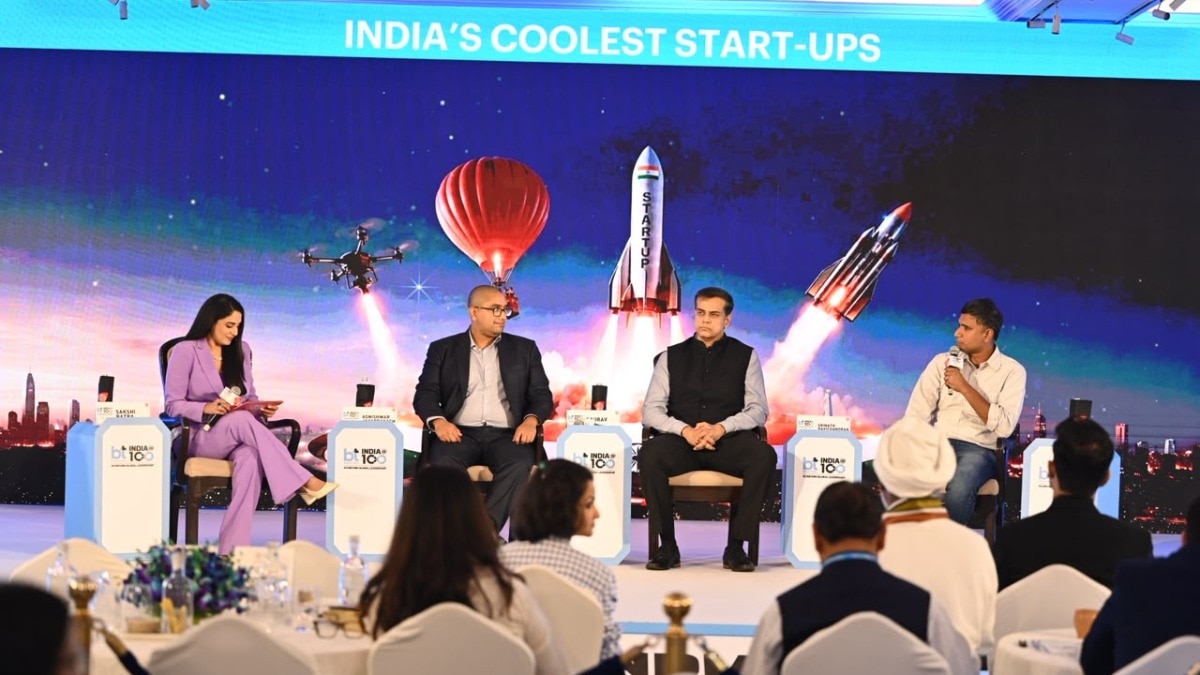
India’s Deep-Tech Startups Face Test Beyond Building Technology
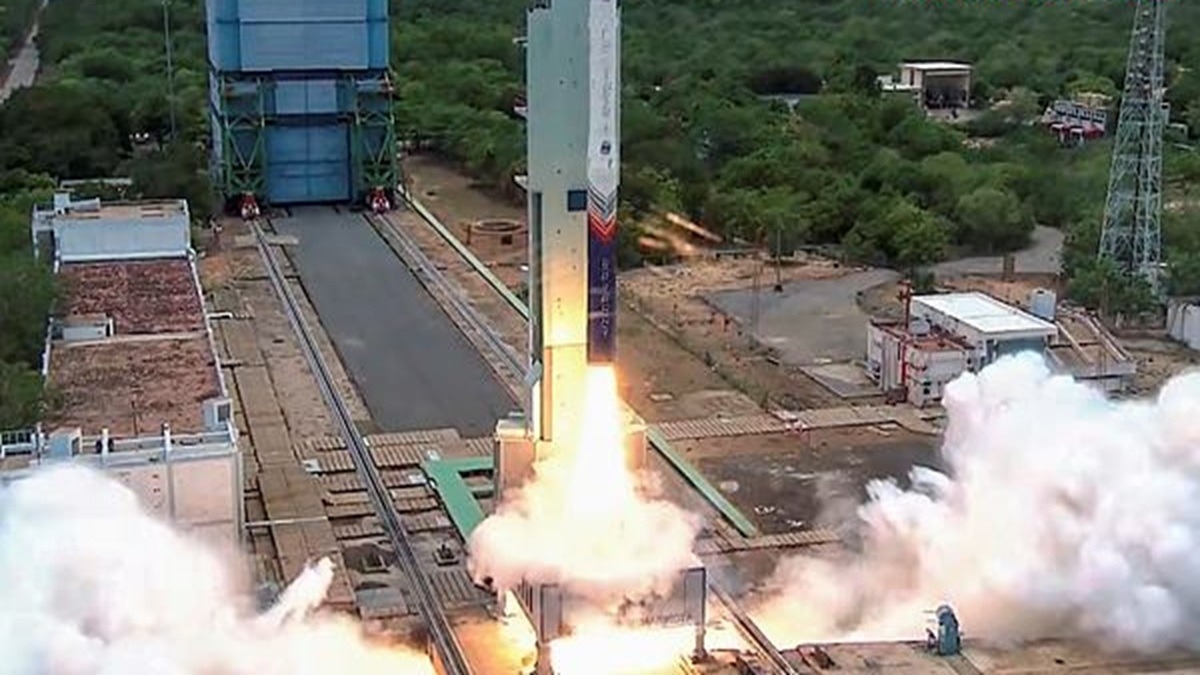
Strategic funding may propel India's space economy to $100 billion

Trump administration weighs chip tariffs amid AI industry warnings

Why India Must Conserve Forex Despite Strong GDP Growth

CM Vijay Plans Britain Tour to Attract Tamil Nadu Investment

US and Australia Commit $580 Million for Pacific Islands

Tamil Nadu CM Vijay Plans UK Investment Outreach